Skip to content
Tea & Realm
English

Six Tea Categories
Six Distinct Characters

Six categories, each with its own character.
Begin with process and flavor, then find the cup that speaks to you.

Explore the Six Tea Categories

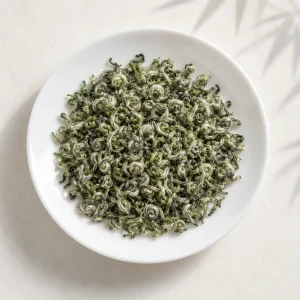
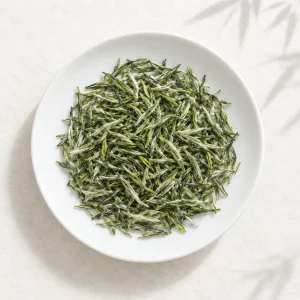
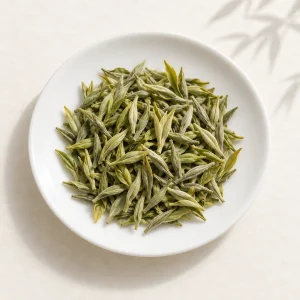
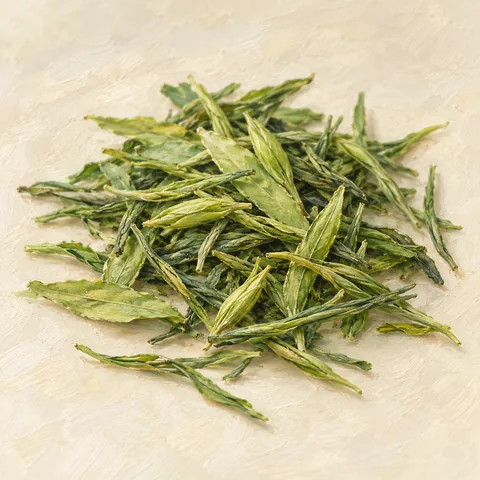
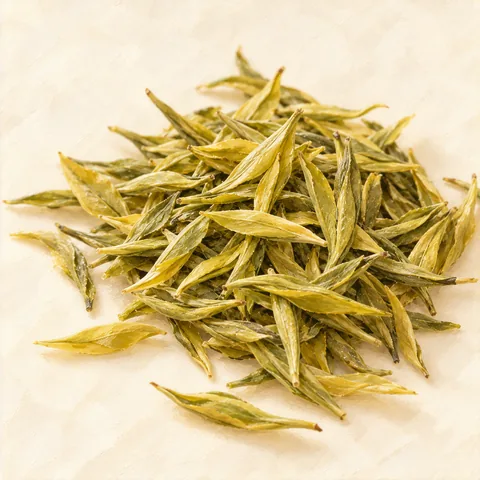
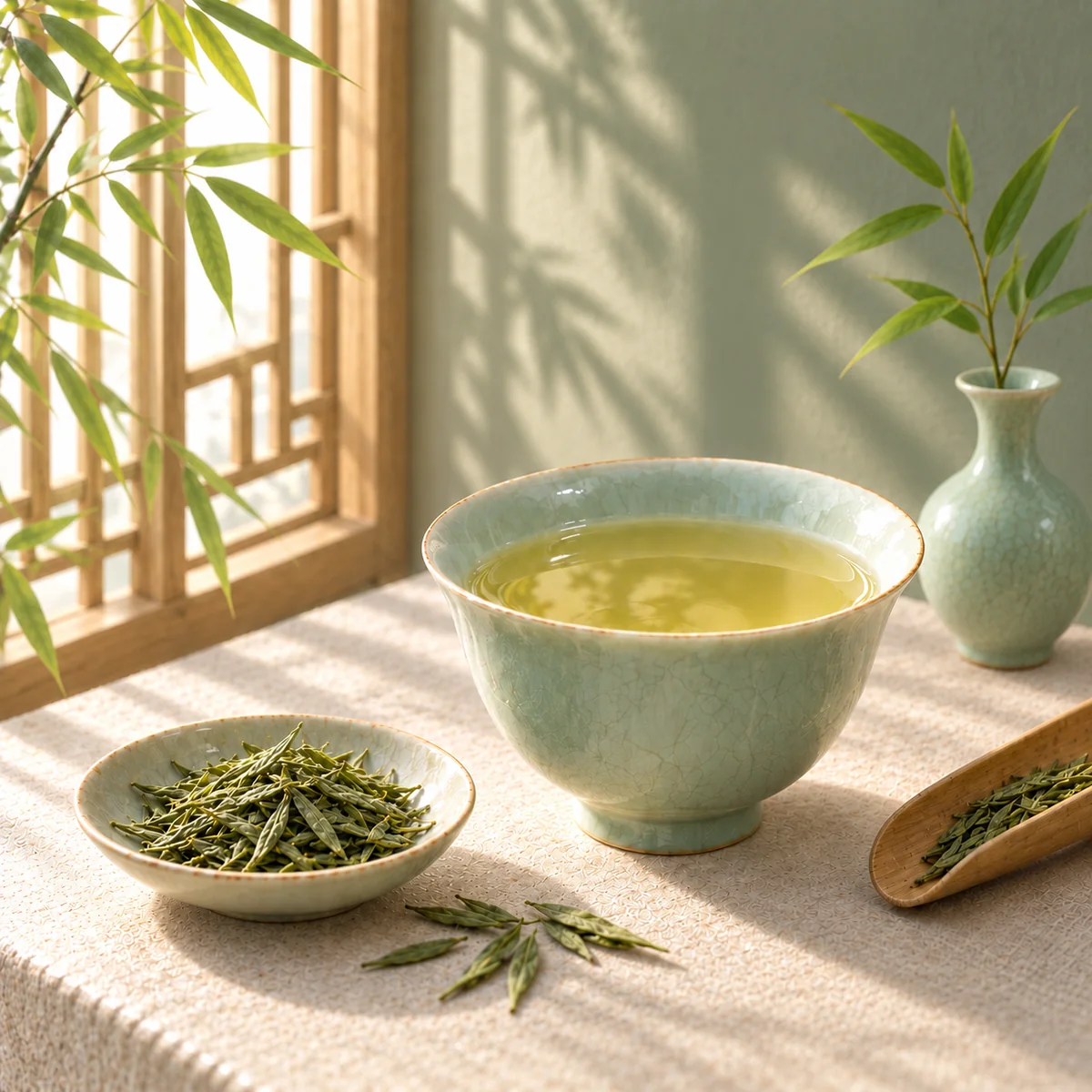
Green Tea liquor and dry leaves

Green Tea

Fresh & natural · Brisk with returning sweetness

Early fixation suppresses enzymatic oxidation, helping green tea preserve a fresh, bright character.

Key Process
Fixation
Core Transformation
Suppresses enzymatic oxidation
Flavor Impression
Fresh, gently sweet, returning sweetness
  • Flat, needle-like and curled forms come from different raw materials and shaping methods.
  • From clean aroma to bean-like and chestnut notes, green tea contains many distinct expressions.
Explore Green Tea
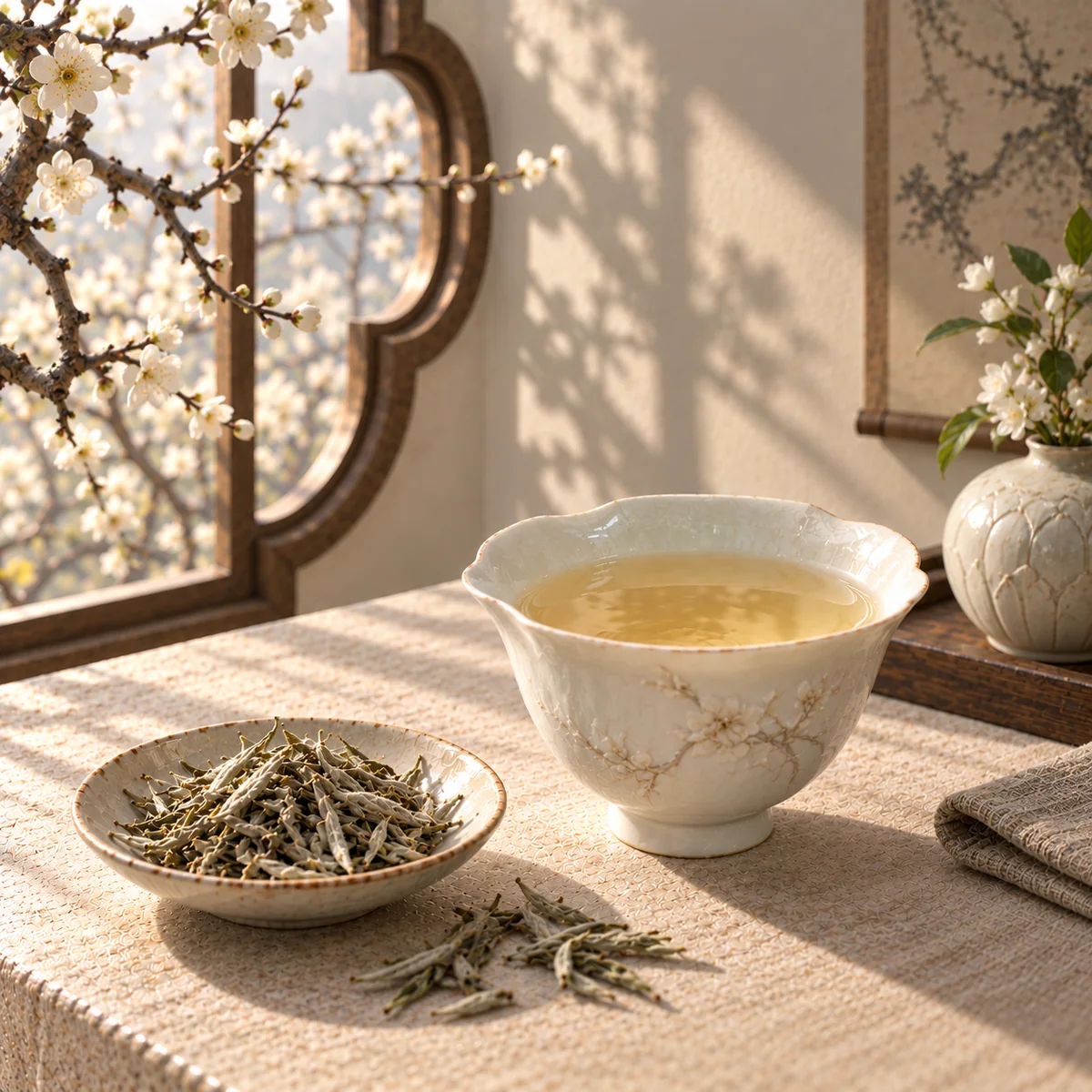
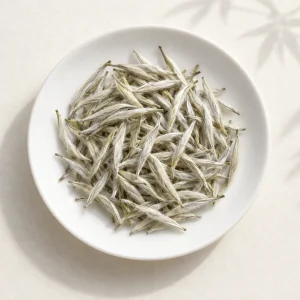
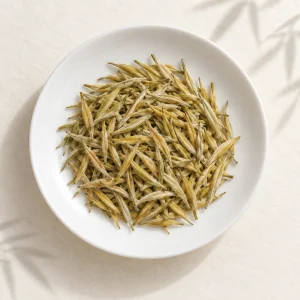
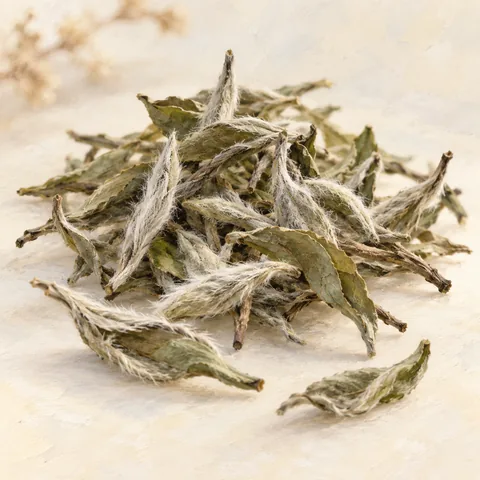
White Tea liquor and dry leaves

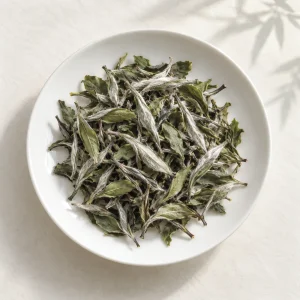
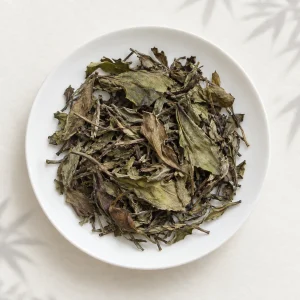
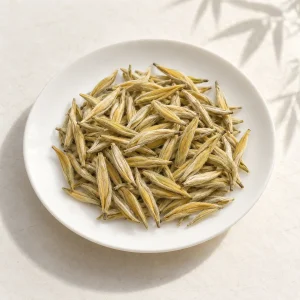
White Tea

Natural withering · Downy aroma & gentle sweetness

With withering and drying as its main processes, white tea develops a soft, gently sweet style through gradual moisture loss and transformation.

Key Process
Withering
Core Transformation
Moisture loss & gradual transformation
Flavor Impression
Clean, gentle, mellow
  • Bud-and-leaf standard, cultivar and withering environment all shape the finished tea.
  • Baihao Yinzhen, Baimudan and Shoumei reveal very different expressions of raw material.
Explore White Tea

Representative Teas

Yellow Tea liquor and dry leaves

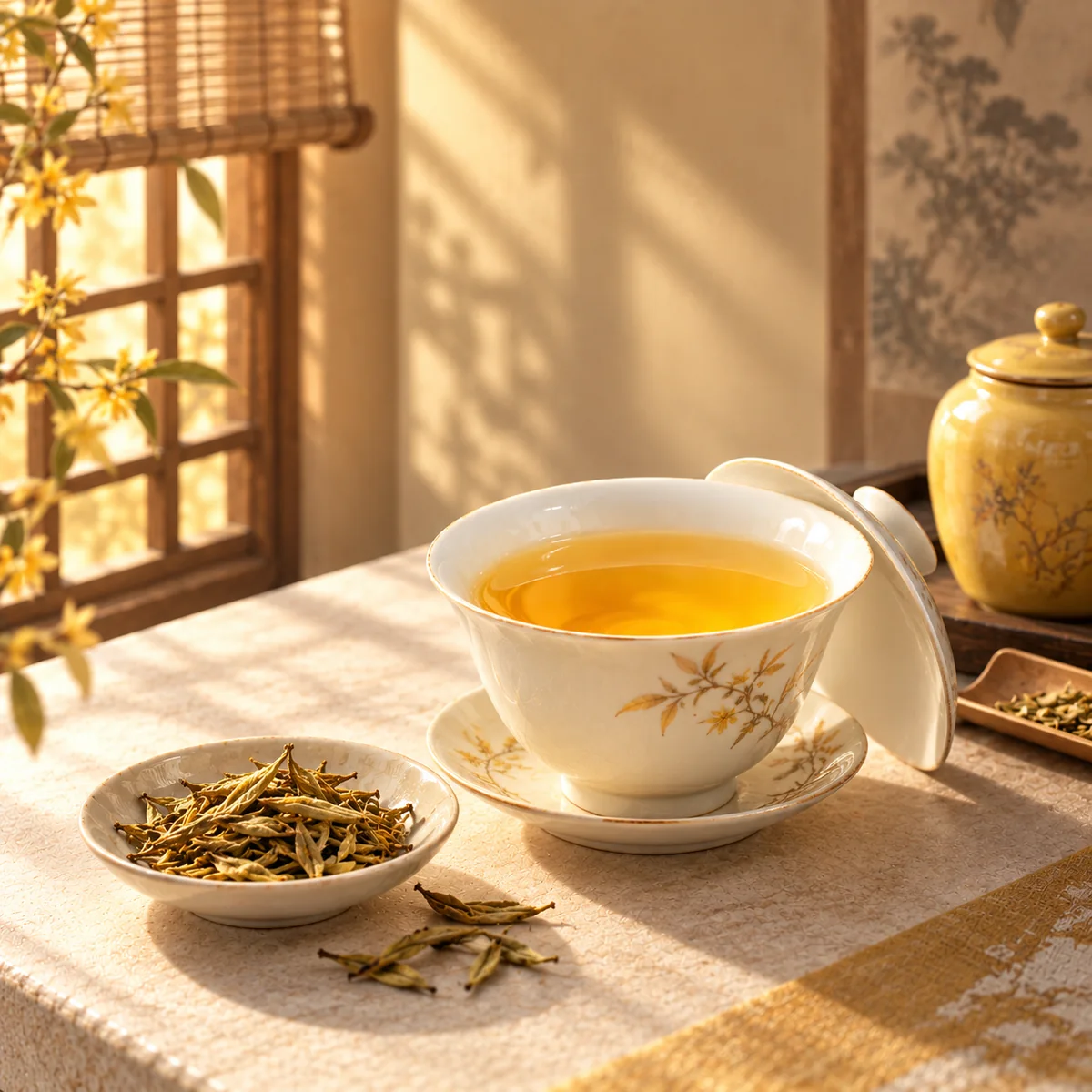
Yellow Tea

Menhuang transformation · Mellow & gentle

Yellow tea adds menhuang, or controlled yellowing, to a green-tea-like process, producing a gentler, mellower cup.

Key Process
Menhuang
Core Transformation
Controlled moist-heat yellowing
Flavor Impression
Mellow, gently sweet, smooth
  • The timing and method of menhuang are central to understanding yellow tea.
  • From delicate yellow bud tea to mature large-leaf yellow tea, raw material and taste vary widely.
Explore Yellow Tea
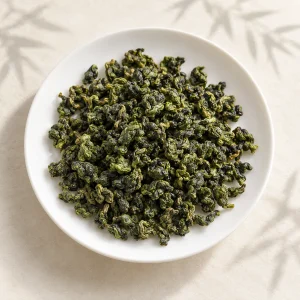
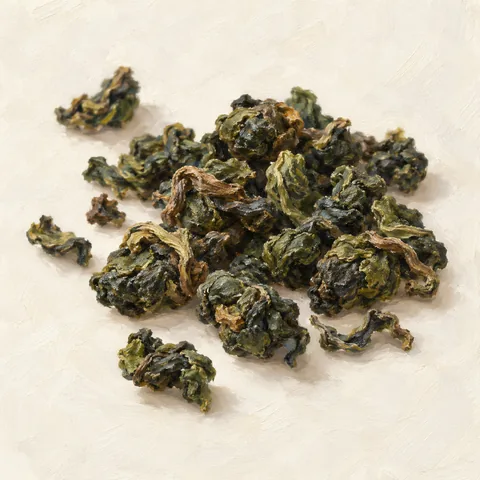
Oolong Tea liquor and dry leaves

Oolong Tea

Partial oxidation · Layered aroma & resonance

Through zuoqing and controlled partial oxidation, oolong develops remarkable aromatic complexity shaped by cultivar, terroir and roasting.

Key Process
Zuoqing
Core Transformation
Controlled partial oxidation
Flavor Impression
Layered, full, returning sweetness
  • Zuoqing, fixation and roasting together shape different oolong styles.
  • Clean floral, honeyed and rocky-resonant profiles cannot be reduced to one flavor.
Explore Oolong Tea
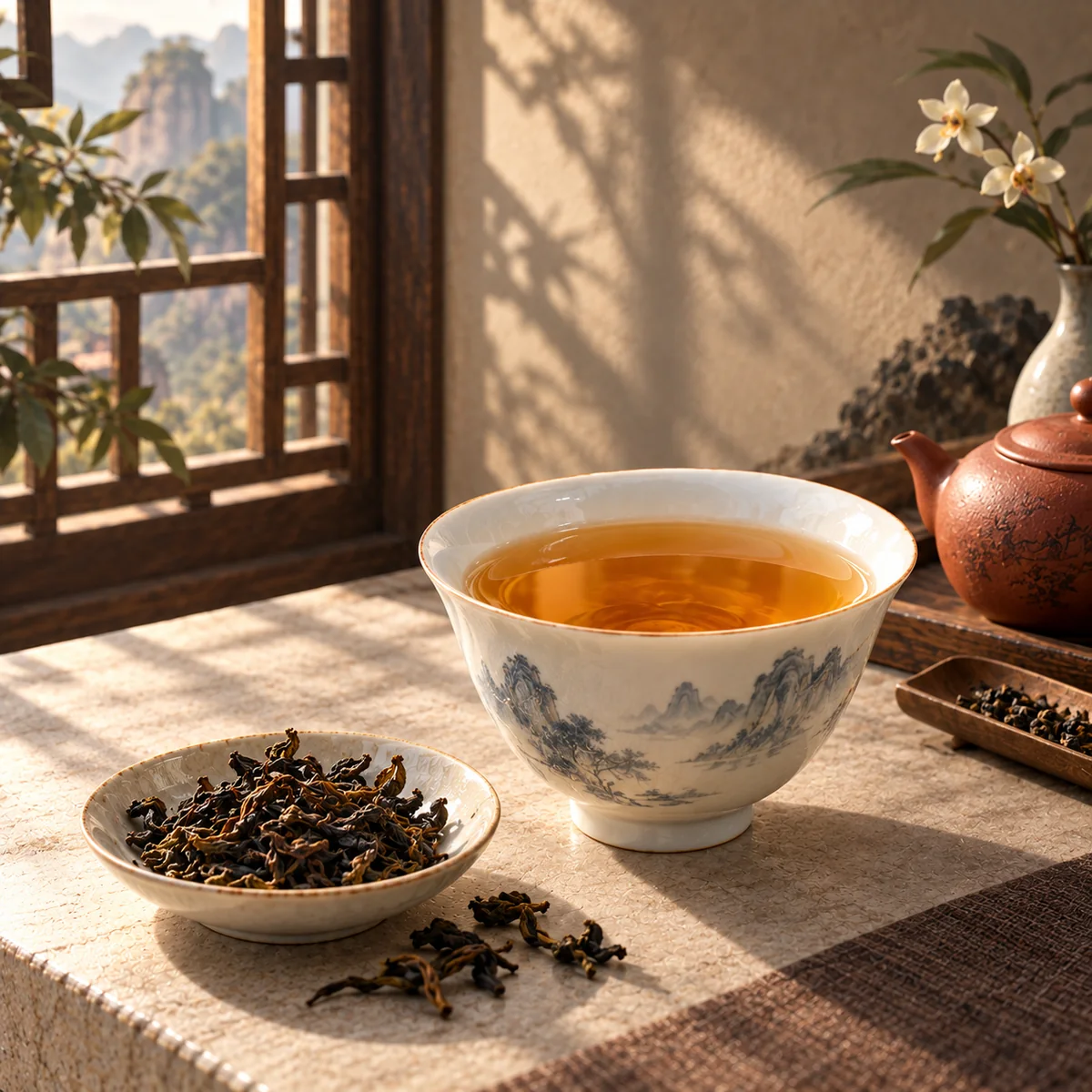
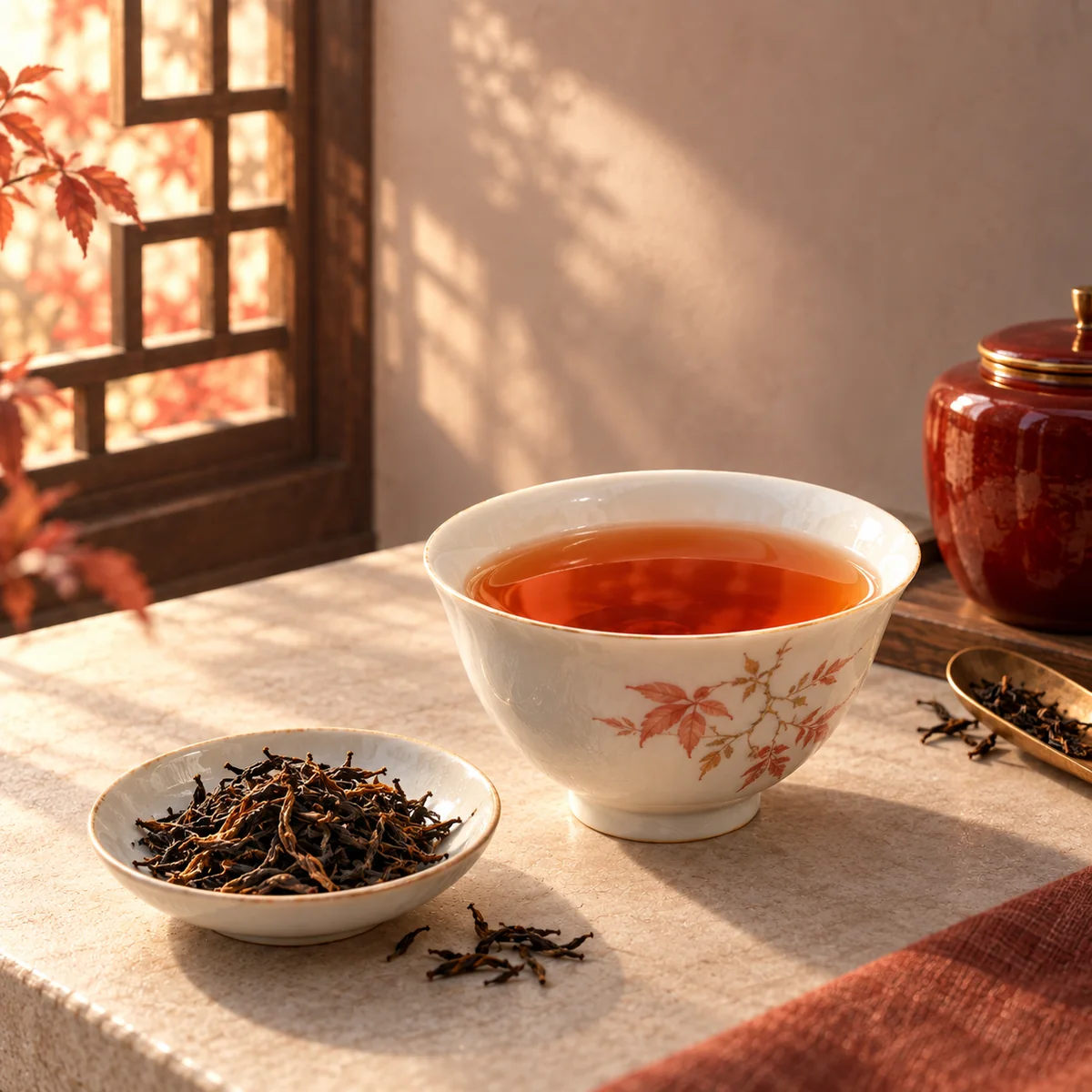
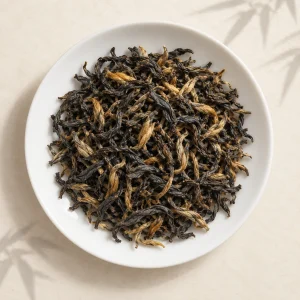
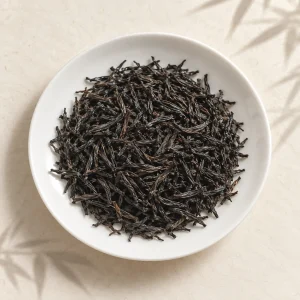
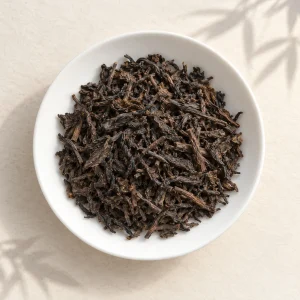
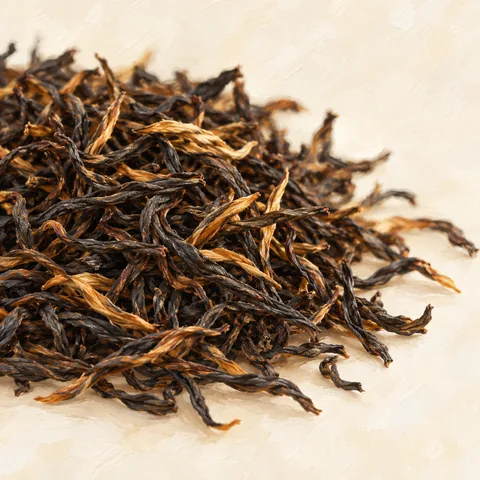
Black Tea liquor and dry leaves

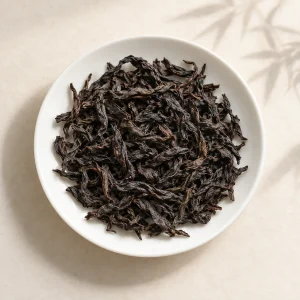
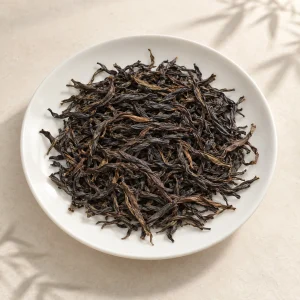
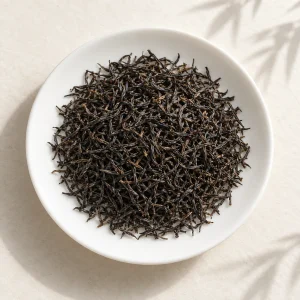
Black Tea

Extensive oxidation · Sweet, warm & mellow

Withering, rolling, oxidation and drying turn fresh-leaf character toward floral, fruity and honeyed aromas with warm, bright liquor.

Key Process
Oxidation
Core Transformation
Enzymatic oxidation of polyphenols
Flavor Impression
Sweet, smooth, mellow
  • What tea making traditionally calls “fermentation” in black tea is primarily enzymatic oxidation, unlike dark tea post-fermentation.
  • Souchong, Gongfu and large-leaf black teas each have distinct aromatic and textural traditions.
Explore Black Tea
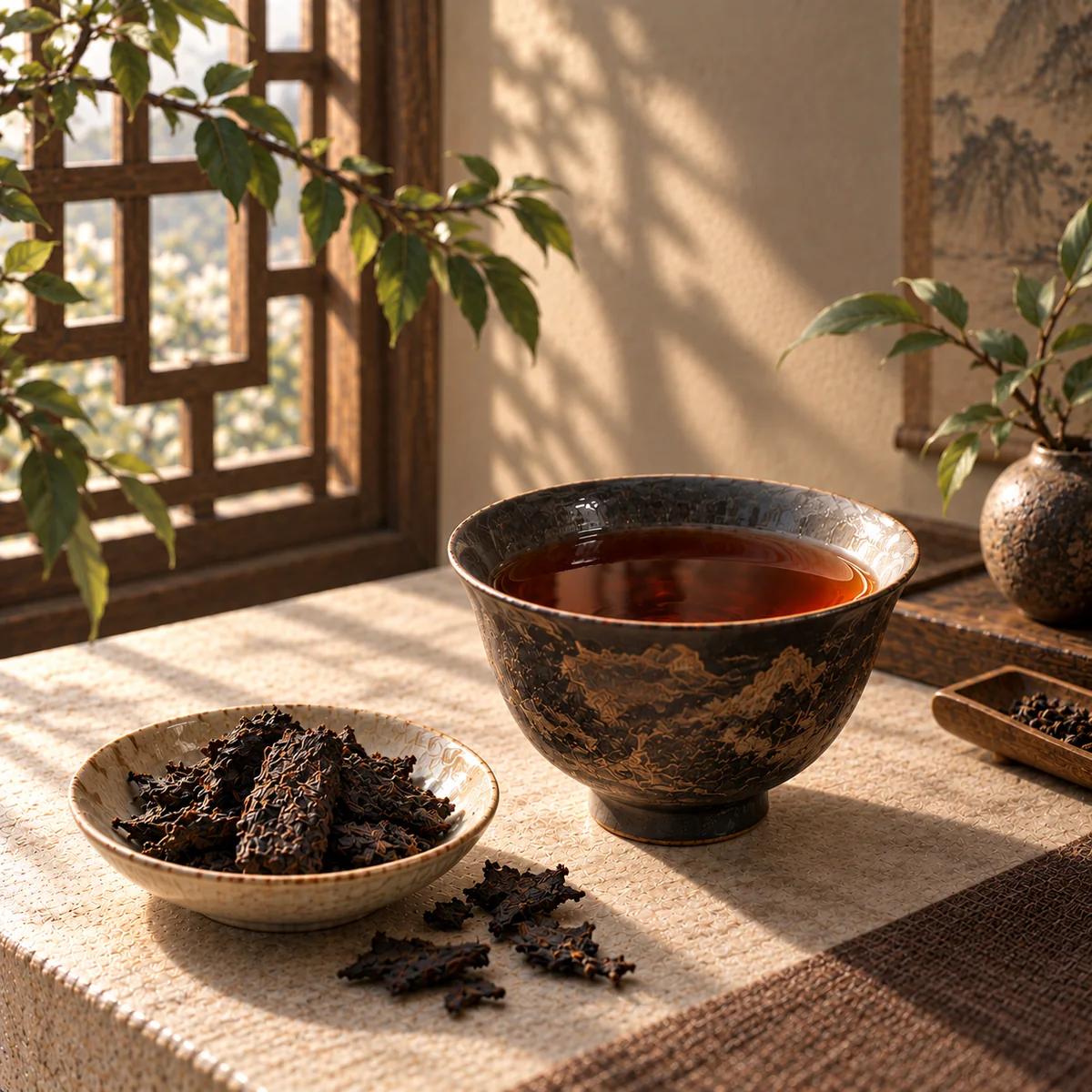
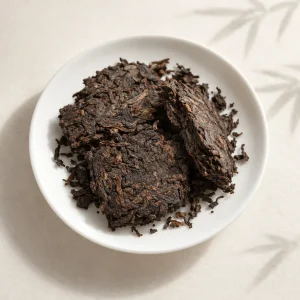
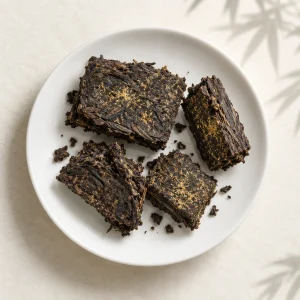
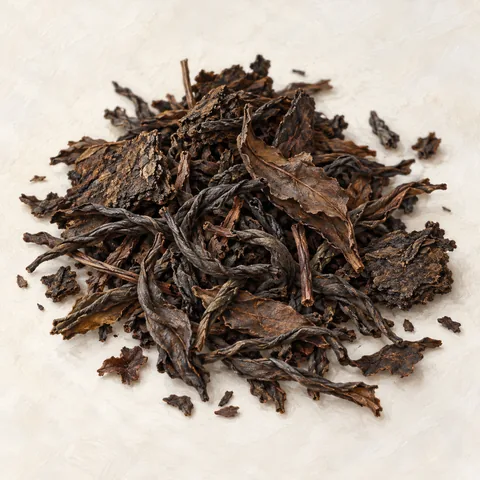
Dark Tea liquor and dry leaves

Dark Tea

Post-fermentation · Mellow, mature & full-bodied

Pile fermentation and related post-fermentation routes build dark tea’s mature style, with later processing and storage adding further variation.

Key Process
Post-fermentation
Core Transformation
Moist heat & microbial activity
Flavor Impression
Mellow, smooth, full-bodied
  • Raw material, pile fermentation and compression differ across regional dark-tea traditions.
  • Fungal flowering and long aging are important to selected products, not universal steps for all dark tea.
Explore Dark Tea

How to Choose Tea

Start with your taste, aroma preferences and drinking occasion, then find a tea you want to try.

Choose by Taste

Begin with familiar taste preferences and find a tea worth exploring.

Choose by Aroma

Different aromatic directions can lead to very different tea experiences.

Choose by Occasion

Bring tea back into everyday life and find the rhythm that suits the moment.

Tea Category Essentials

A few useful questions about the six tea categories.

How are the six tea categories distinguished?

They are classified mainly by processing methods and resulting qualities, not simply by the color of the dry leaf. Fresh leaves from the same tea plant can become different tea categories through different processing routes.

What separates green tea from white tea?

Green tea uses fixation to suppress enzymatic oxidation early, while white tea relies mainly on withering and drying. The difference begins with processing, not with whether the tea plant itself is white.

Where do aroma and taste come from?

Cultivar, growing environment, plucking and processing all shape flavor. Water temperature, leaf amount and steeping time further change what appears in the cup.

How should tea be stored?

Keep tea protected from moisture, light and foreign odors, and follow the storage guidance for the specific product. Different tea categories and packages have different needs; not every tea should be refrigerated or aged for long periods.

Tea Conversations

Tea lovers from around the world meet over a cup of tea.

Sign in or register to join the conversation. Your comment account is created automatically the first time you use a connected account.