Green tea uses fixation to quickly suppress enzymatic oxidation in fresh leaves, helping preserve a bright, fresh style. Differences in origin, leaf tenderness and fixation method then take it in many directions—from bean-like and floral notes to clean leafy aromas, and from light, brisk freshness to fuller body and lingering sweetness.
Begin with Freshness: Understanding Green Tea
Fixation preserves its fresh character; from there, green tea unfolds in shape, aroma and taste.
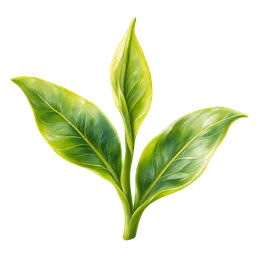
Begin with a single leaf
Hold on to a leaf’s freshness and see green tea in its own colors
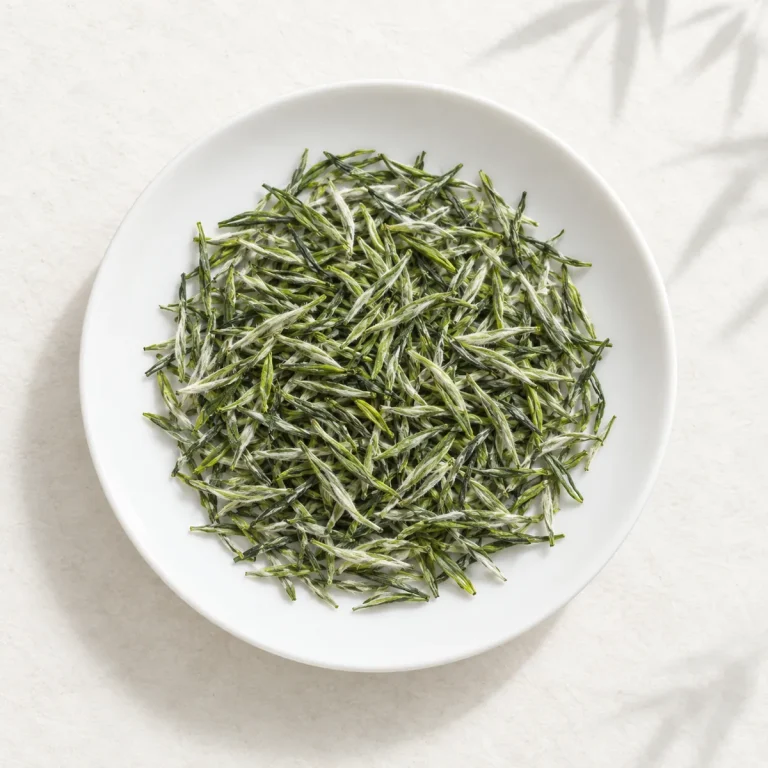
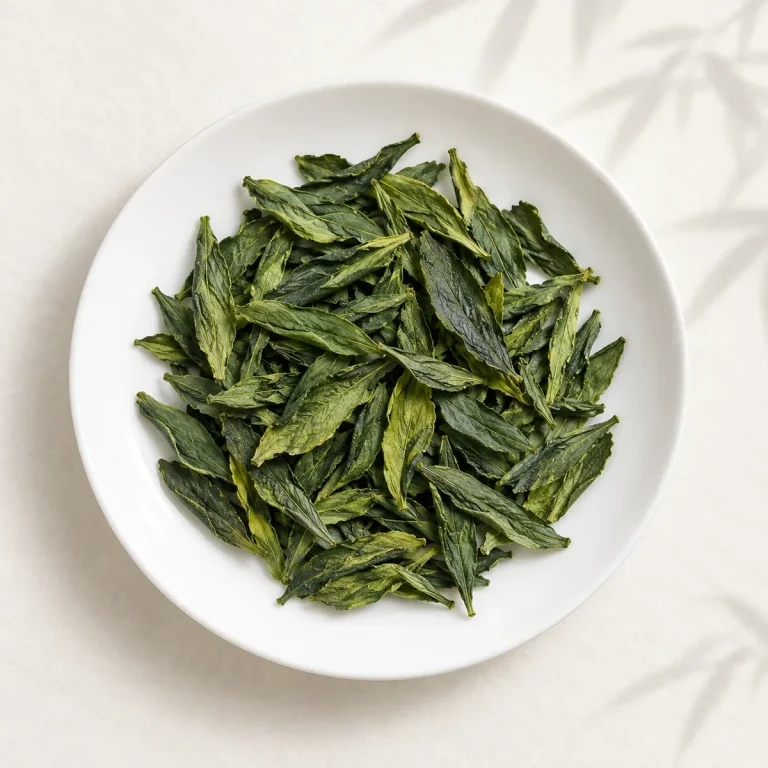
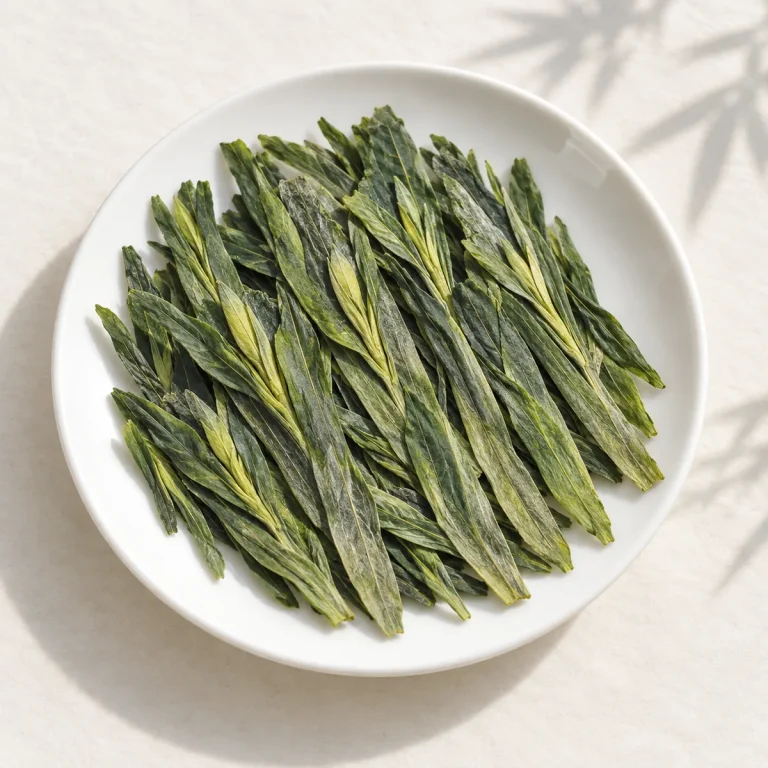
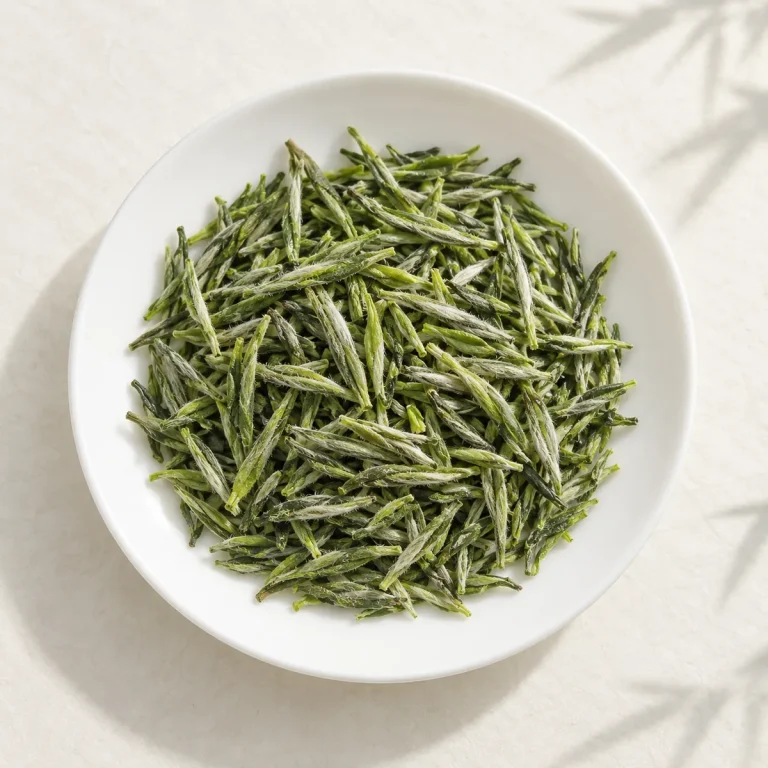
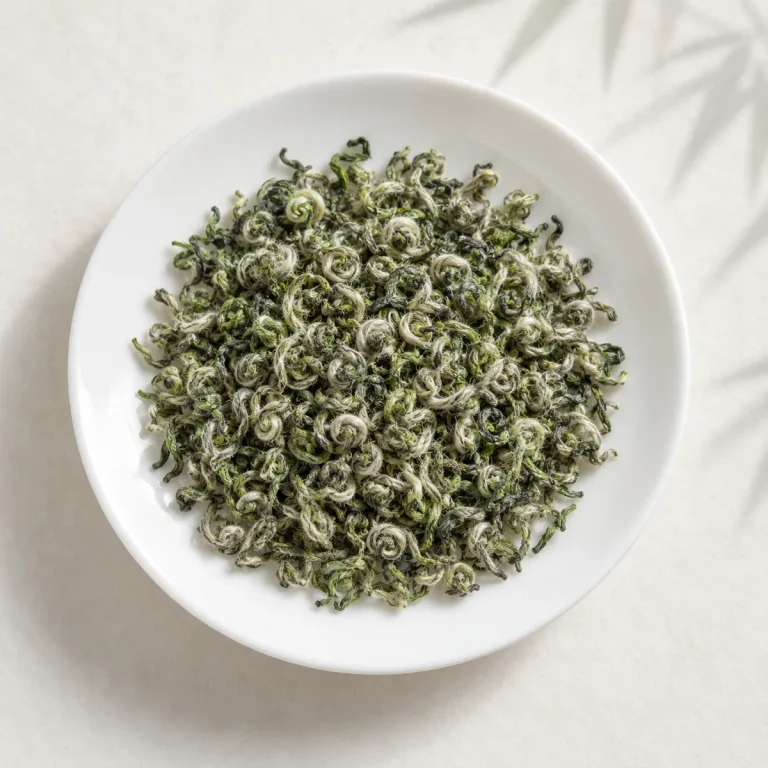
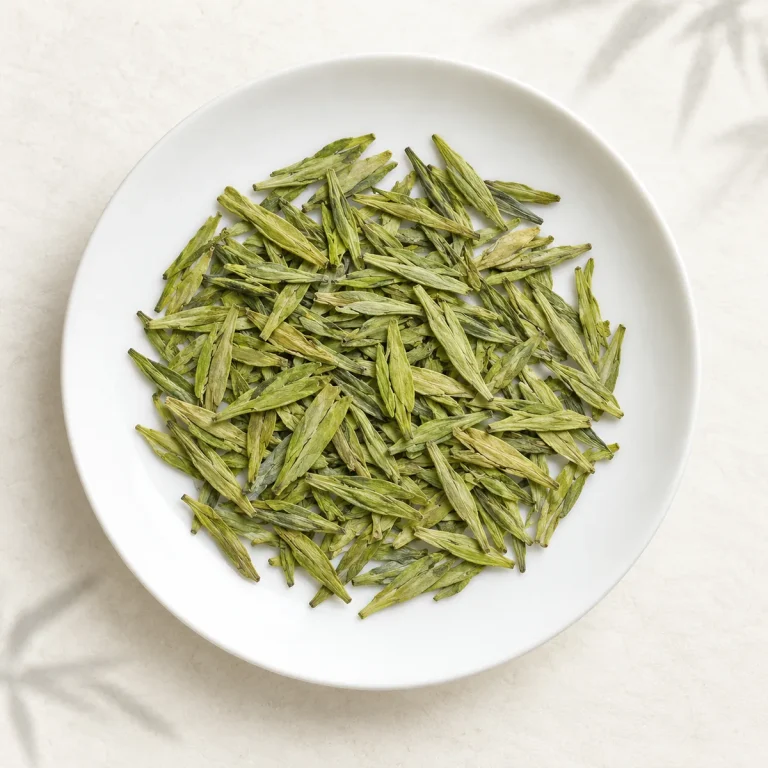
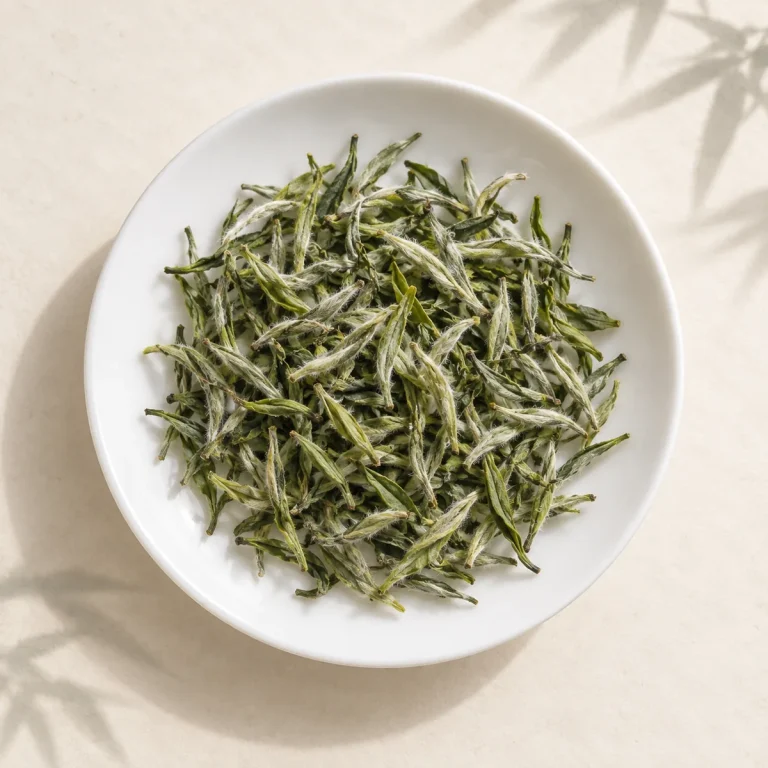
The clearest shared feature of green tea is fixation: fresh leaves are heated quickly to suppress enzymatic oxidation, so more of their green color and fresh character are retained. Yet green tea does not have just one kind of “freshness.” Bud-and-leaf tenderness, cultivar, growing environment, fixation, rolling and shaping, and drying all influence its final appearance, aroma and taste. Longjing is flat, Taiping Houkui opens broad and long, while Lu’an Guapian is made from single leaves. All are green teas, yet their forms and flavors can differ dramatically.
Freshness sets the tone
Fixation quickly suppresses enzymatic oxidation, helping green tea retain more of the fresh leaf’s green color and fresh character. Different raw materials and techniques can then produce tender, clean, floral, bean-like or chestnut-like aromatic directions.
Craft shapes form and aroma
Fixation establishes the basic direction of green tea. Rolling, strip-forming, flattening and other shaping methods create different leaf forms, while pan-drying, baking and other drying routes continue to influence aroma, taste and final texture.
Season changes the raw leaf
Harvest season changes bud-and-leaf tenderness and the character of the fresh material. Spring teas are often prized for delicacy and freshness, but some regions also produce green tea in summer and autumn, so green tea is not simply another name for “spring tea.”
Terroir shapes flavor
Temperature, elevation, rainfall, soil and cultivation environment all influence the fresh leaf. Green-tea regions such as Zhejiang, Anhui, Jiangsu, Henan and Jiangxi have therefore developed distinct aromas, tastes and making traditions.
Classic Green Teas, Each with Its Own Freshness
Begin with well-known teas to see how green tea changes in form, aroma, taste and terroir.
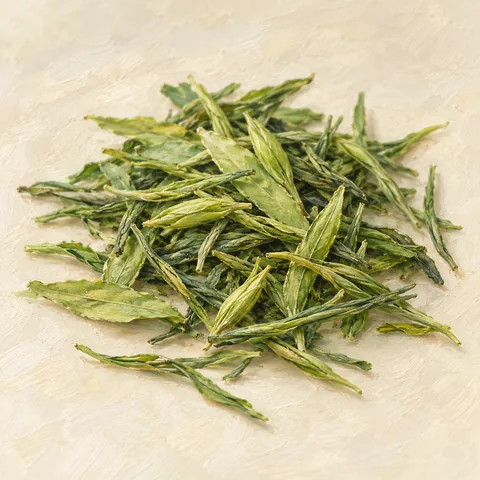
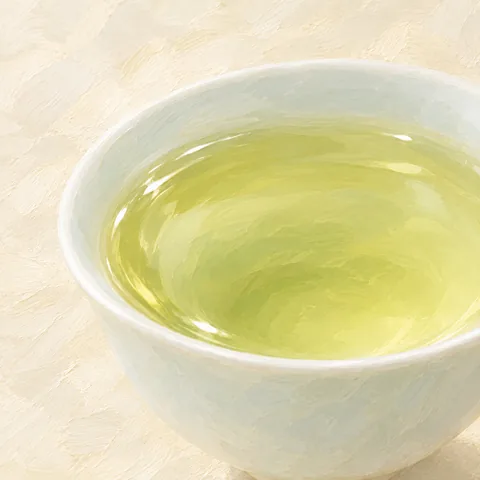
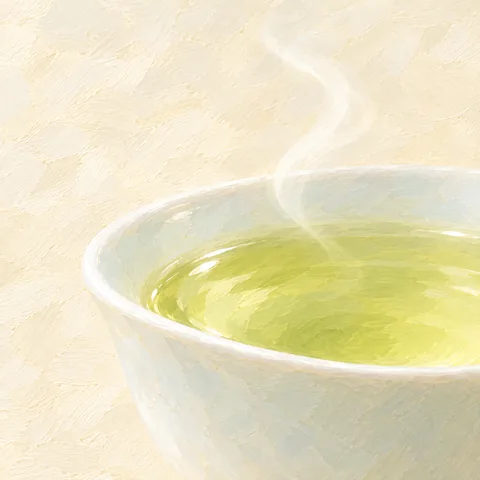
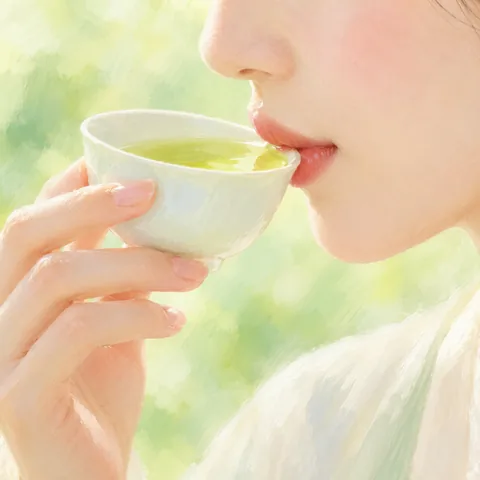
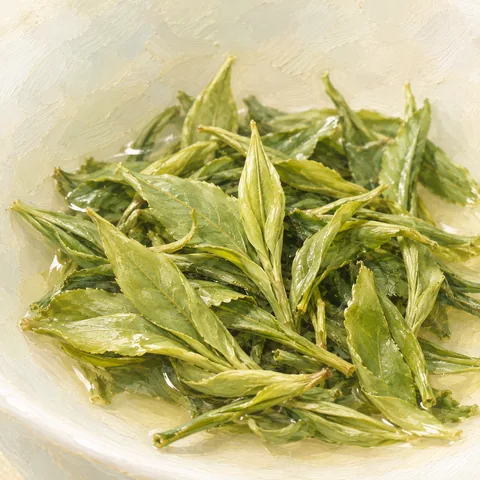
From dry leaf to infused leaf, green tea reveals different layers of clarity, freshness and tenderness.
Dry Leaf Form
Flat, needle-like, slender, twisted and curled forms all occur, with colors commonly ranging from tender green and yellow-green to vivid green.
Liquor Color
The liquor is usually clear and bright, most often pale green, yellow-green or light yellow, with depth varying by tea.
Aroma
Tender, clean, floral, bean-like and chestnut-like aromas are all common, and different processes can push the profile in different directions.
Taste
Freshness, gentle sweetness and a returning sweet finish are common impressions. Some teas are light and brisk; others are fuller and more forceful.
Infused Leaf
After brewing, buds and leaves often appear tender green to yellow-green, soft and lively, making raw-leaf tenderness easier to see.
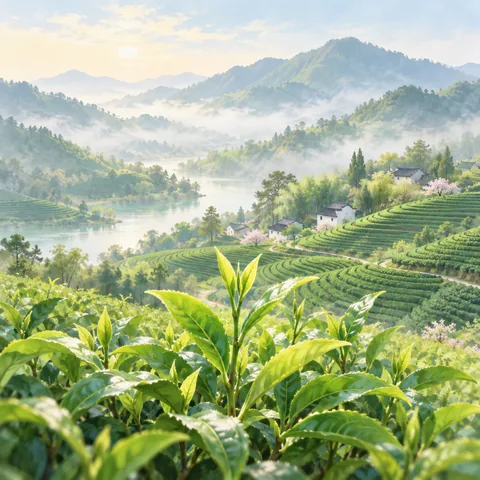
Sense of Origin
Jiangnan hills, misty highlands, soils and local climates together shape the fresh yet diverse styles of green tea across China.
Inside the Leaf: Where Flavor Comes From
Freshness, light astringency and clean aroma emerge from the balance of many taste and aroma compounds.
Because green tea is fixed early in processing to suppress enzymatic oxidation, a relatively high proportion of catechins and other polyphenols from the fresh leaf is retained. Free amino acids, caffeine, sugars, organic acids, pigments and many volatile compounds also help create the fresh, astringent, sweet and aromatic character of the cup.The components below are recurring research themes in green tea. Cultivar, origin, plucking tenderness, processing and analytical method all affect measured results, so values from different studies should not be used to rank teas directly. Green-tea taste usually emerges from the combined action of polyphenols, amino acids, caffeine, sugars and other compounds rather than from any single substance.
Catechins · Tea Polyphenols
Catechins such as EGCG, EGC, ECG and EC are among the most frequently studied polyphenols in green tea. They are closely associated with bitterness, astringency and drying sensation and contribute to the structure of the liquor; different concentrations and proportions can change both impact on entry and the rhythm of returning sweetness.
Theanine · Free Amino Acids
Theanine and other free amino acids are associated with the fresh, soft and mildly sweet aspects of green tea. They are not a single switch that determines “freshness”; instead, they balance with more bitter and astringent compounds such as catechins and caffeine.
Caffeine
Caffeine is one important contributor to bitterness and stimulation in tea liquor. It acts together with catechins, amino acids and other taste compounds, which is why green teas with caffeine can still show very different relationships among bitterness, freshness, sweetness and finish.
Volatile Aroma Compounds
Tender, clean, floral, bean-like and chestnut-like aromas do not come from one “green-tea aroma molecule.” Alcohols, aldehydes, ketones, esters, terpenes and other volatiles change continuously in the fresh leaf and during processing, together forming the aroma profile of each tea.
Pigments · Sugars · Organic Acids
Chlorophyll and its transformations are closely related to the green appearance of dry and infused leaves. Soluble sugars and organic acids contribute to sweetness, acidity and overall balance. They are rarely the sole stars of flavor, but together with polyphenols and amino acids they change the final balance of the cup.
Fixation and Heat: How Green Tea Is Made
From fresh leaf to finished tea, green tea’s fresh character is formed through heat control and skilled shaping.
01
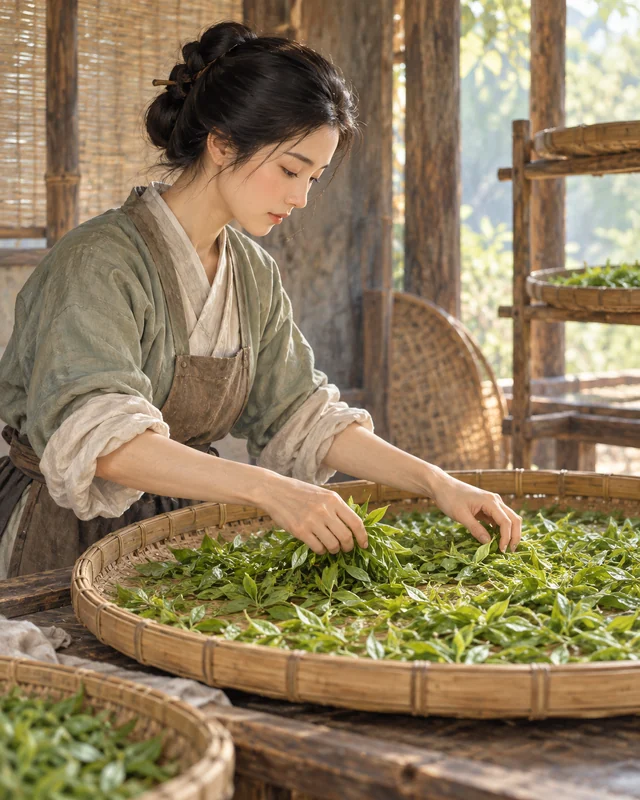
Spreading & Preparation
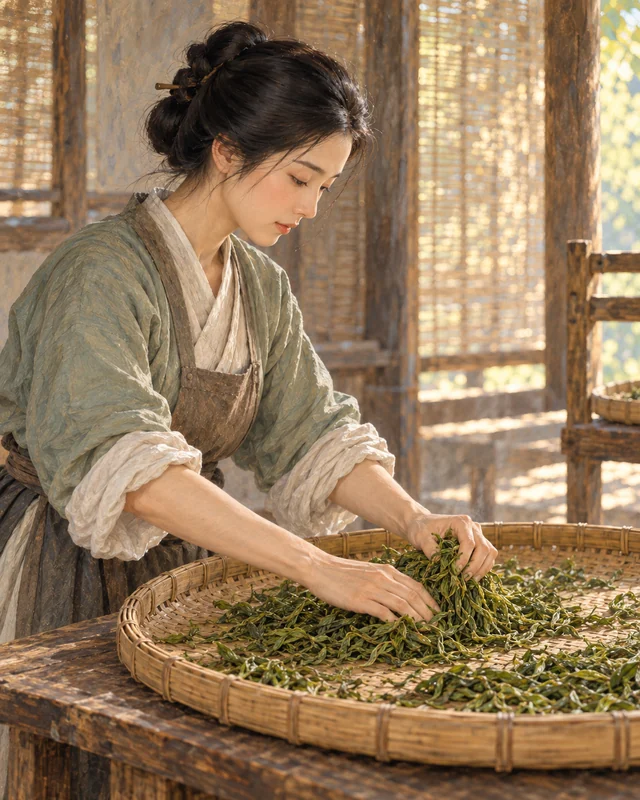
Freshly plucked leaves are often briefly spread or sorted first, allowing surface heat and some moisture to dissipate. The once-crisp leaf softens slightly, creating a more stable state for rapid fixation. Whether leaves are spread, for how long and to what degree depends on tenderness, weather and the specific tea-making process.
02
Fixation
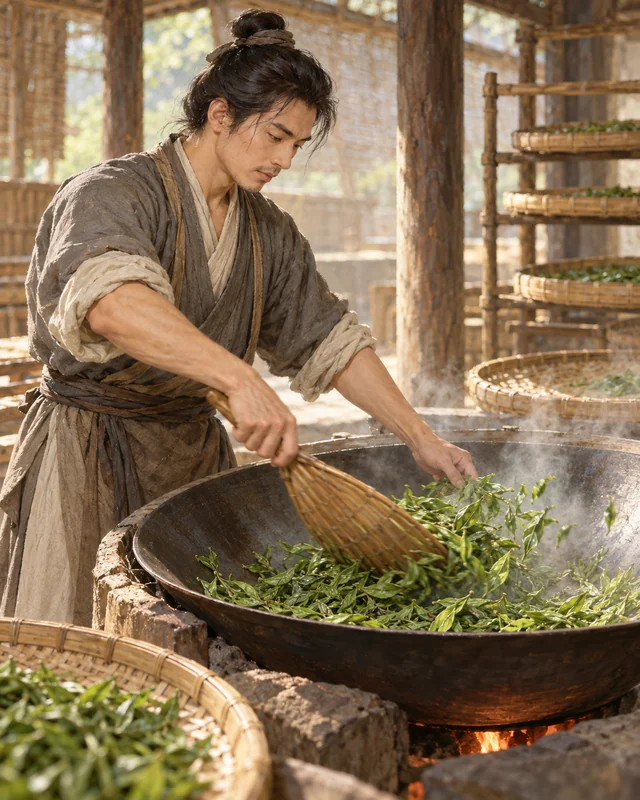
Fixation is the defining step in green-tea production. Fresh leaves are heated quickly in pans, drums, steamers or other suitable systems to suppress enzymes involved in oxidation and prevent obvious reddening. Some moisture is also removed, the leaf softens and raw grassy odors are reduced. This step is central to green tea’s predominantly green, fresh quality direction.
03
Rolling & Shaping
After fixation, the tea enters rolling, strip-forming, flattening or other shaping stages according to the style being made. Rolling curls and tightens the leaf and brings some tea juice to the surface, while shaping determines the final silhouette. This is why green teas can be flat, needle-like, strip-shaped or curled—and why not every green tea uses the same rolling or shaping method.
04
Drying & Aroma Setting
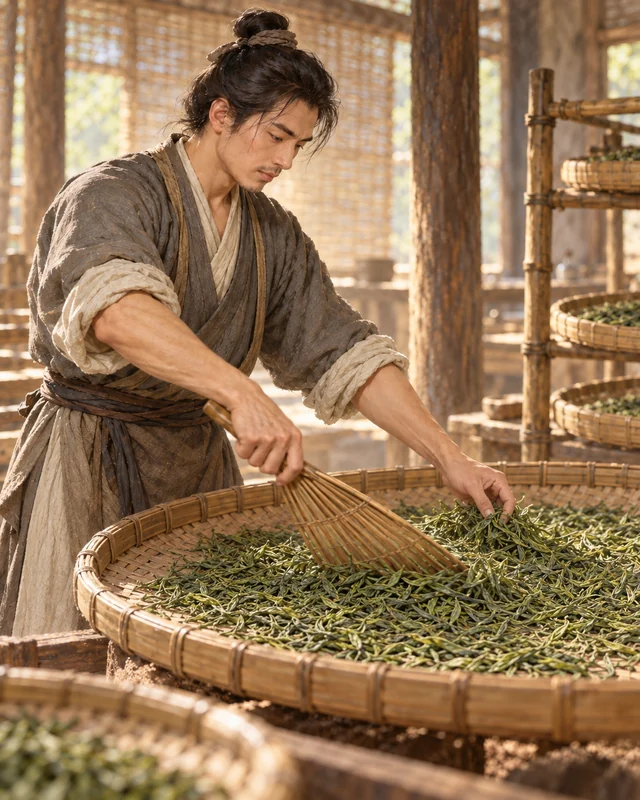
Finally, the tea is dried further to reduce moisture to a stable level for storage while fixing the shape and quality already formed. Green tea may be pan-dried, baked or finished through other routes, and some teas undergo repeated drying, resting or aroma-finishing stages. Drying is not simply “making the tea dry”: together with fixation, rolling and shaping, it influences clean, bean-like and chestnut-like aromas as well as the balance of freshness and body.
These four stages summarize the shared process logic of green tea; they do not mean every green tea uses identical equipment, order or parameters. Differences in fixation, degree of rolling, shaping technique and drying route are major reasons Longjing, Maojian, Houkui and Guapian develop such distinct forms, aromas and tastes.
Different Landscapes, Different Green-Tea Origins
From Jiangnan hills to the Qinba Mountains, green tea stretches across a broad Chinese landscape of humid mountains and tea gardens.
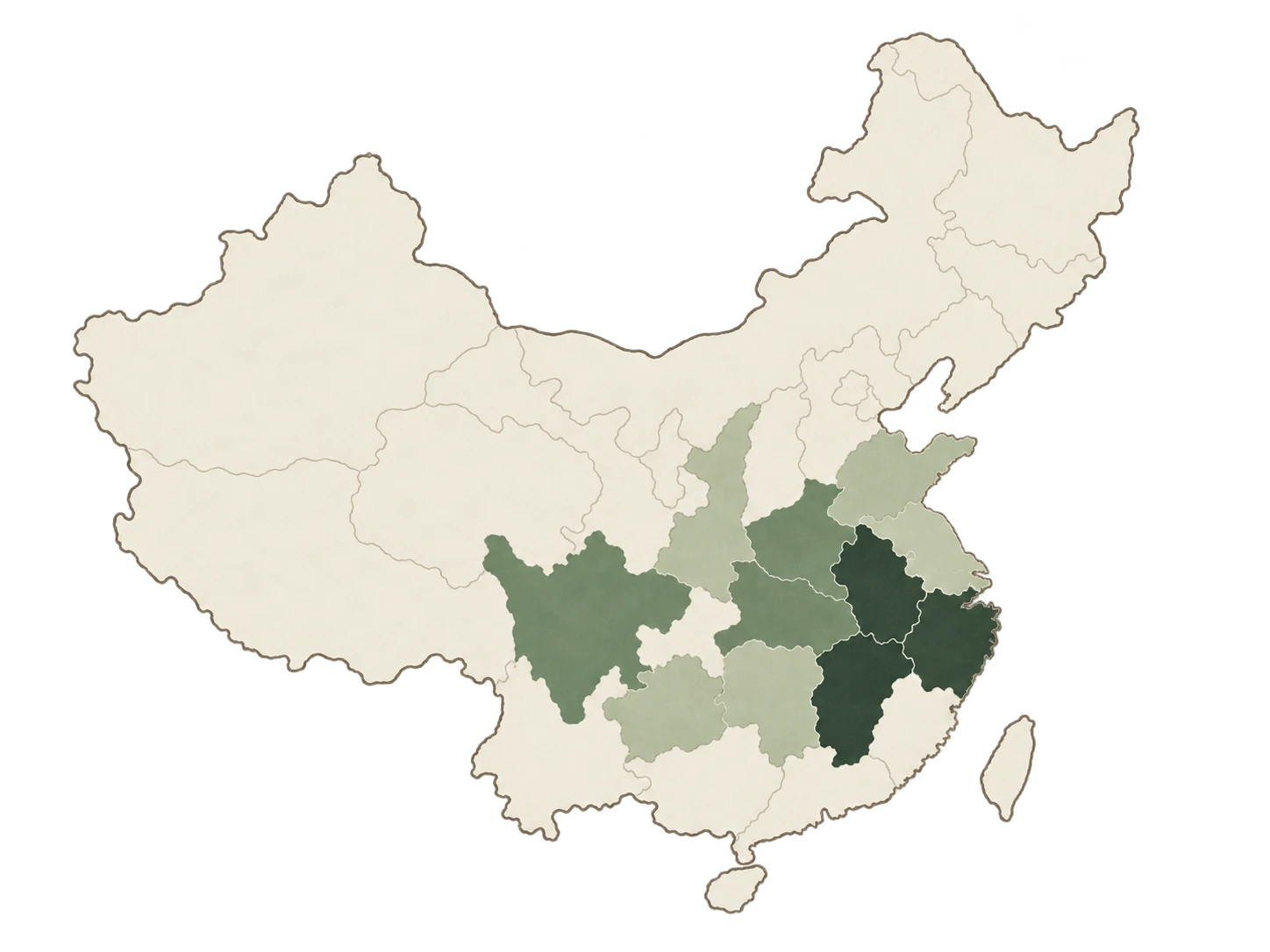
Core Regions
Major Regions
Traditional & Extended Regions
Green tea is one of China’s most widely distributed tea categories. Distinct local traditions stretch from Jiangnan hills and central mountain ranges to southwestern highlands and northern-edge tea areas. The map is an editorial province-level overview.
Green tea runs through Zhejiang’s tea culture, from West Lake and the Qiantang tea area in Hangzhou to Anji, Shaoxing, Jinhua, Quzhou and Lishui. Flat, needle-like and curled teas coexist with green teas made from albino cultivars, making Zhejiang exceptionally diverse in both tea styles and processing traditions.
Other representatives:Kaihua Longding
02Anhui
Two green-tea traditions: southern Anhui and the Dabie Mountains
Anhui green tea spans the Huangshan mountains of southern Anhui and the Dabie Mountains in western Anhui. Huangshan Maofeng emphasizes tender buds and leaves, Taiping Houkui its broad open form, and Lu’an Guapian its distinctive single-leaf tradition—showing how varied one province can be.
Lushan, Wuyuan, Jinggangshan and mountain areas across northeastern and central Jiangxi form a broad green-tea landscape. Humid weather, hilly terrain and long-established local craft give Jiangxi green teas many regional expressions beyond simple freshness.
Other Important Tea Regions
Hubei, Sichuan and Henan form important inland green-tea belts, while Jiangsu, Guizhou, Hunan, Shaanxi and Shandong preserve or develop distinctive local green-tea traditions.
Balanced Water and Heat, a Better Cup
Keep the water from becoming too hot and the brew from becoming too strong, allowing freshness and tender aroma to unfold gradually.
01Water
Clean and odor-free; low-mineral water is a reliable starting point.
Softer water is generally less likely to mask the delicate aromas and fresh character of green tea, while heavily mineralized water can make the liquor feel muted or coarse.
02Teaware
Use glass to watch the leaves; use white porcelain gaiwan for finer control.
Tender green teas with attractive leaf shapes suit transparent glassware. If you want more precise control over concentration and decanting, a white porcelain gaiwan is a useful choice.
03Tea-to-Water Ratio
For cup brewing, start at about 1:50.
That is roughly 3 g of tea to 150 mL of water. With tender tea, it is often better to begin lighter and adjust to the tea and your preference rather than starting too strong. Lushan Yunwu in this site’s single-tea data, for example, uses about 3 g / 150 mL as a starting ratio.
04Water Temperature
For many tender green teas, begin around 80–85°C.
The more tender the buds and leaves, the more important it is to avoid prolonged steeping directly in rolling-boiling water. More mature leaf material, fuller-bodied teas or particular processing styles may suit slightly higher temperatures.
05Steeping
For cup brewing, about 2–3 minutes; with gaiwan, decant much sooner.
Cup brewing gives buds and leaves room to open. A gaiwan builds concentration faster, so time should be shortened according to tenderness and leaf amount to avoid excessive bitterness and astringency. The single-tea guide for Lushan Yunwu likewise uses about 2–3 minutes as a cup-brewing starting point.
06Reinfusion
Leave a little liquor before topping up; extend later infusions gradually.
Topping up when roughly one-third of the liquor remains can reduce concentration swings between rounds. Many green teas can be brewed about 2–4 times, though endurance varies by tea.
These are general starting points for green tea. Bud-and-leaf tenderness, leaf form and processing vary widely, so exact leaf amount, temperature and timing should be taken from the individual tea page.
Tea Conversations
Tea lovers from around the world meet over a cup of tea.
Sign in or register to join the conversation. Your comment account is created automatically the first time you use a connected account.
No comments yet
Share your thoughts with readers around the world.














Tea Conversations
Tea lovers from around the world meet over a cup of tea.
Sign in or register to join the conversation. Your comment account is created automatically the first time you use a connected account.
No comments yet
Share your thoughts with readers around the world.