Origin & Story
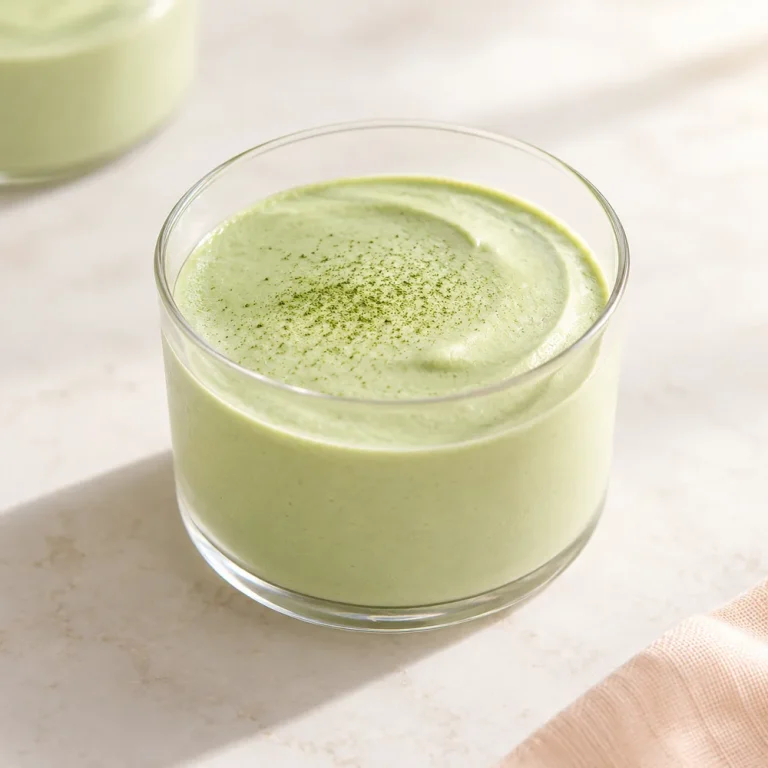
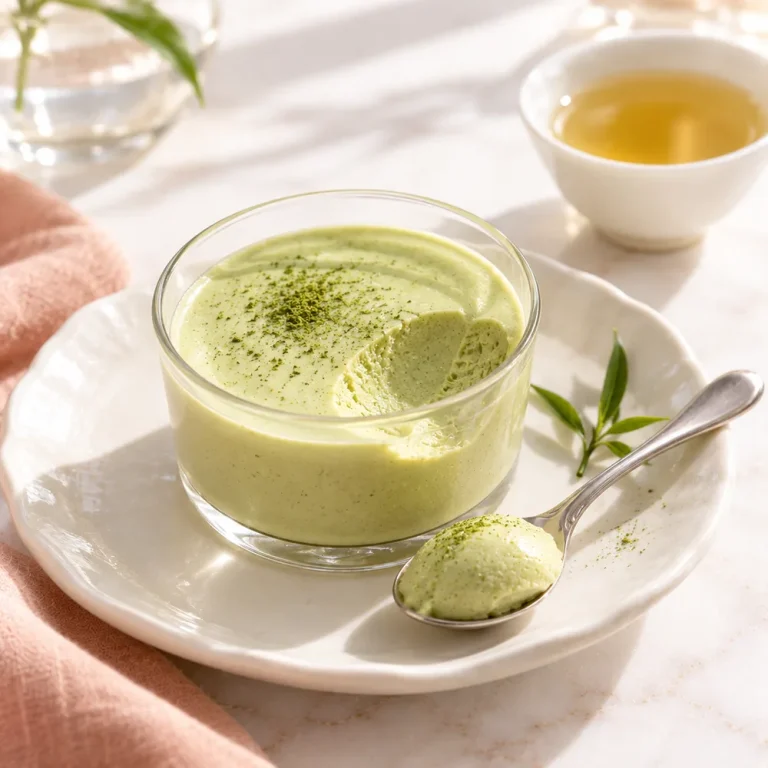
No unique inventor, country of invention or universally accepted origin date for Green Tea Mousse was verified. Current research can confirm that the Los Angeles Times had already published a green-tea mousse recipe in 1990 in an explicitly Japanese-ingredient/French-technique context, and in 2002 documented a Taiwan-born pastry chef combining classic French technique with Asian ingredients in a dessert containing green-tea mousse. The evidence supports a modern cross-cultural fusion identity but not a single place of origin.
Historical Development
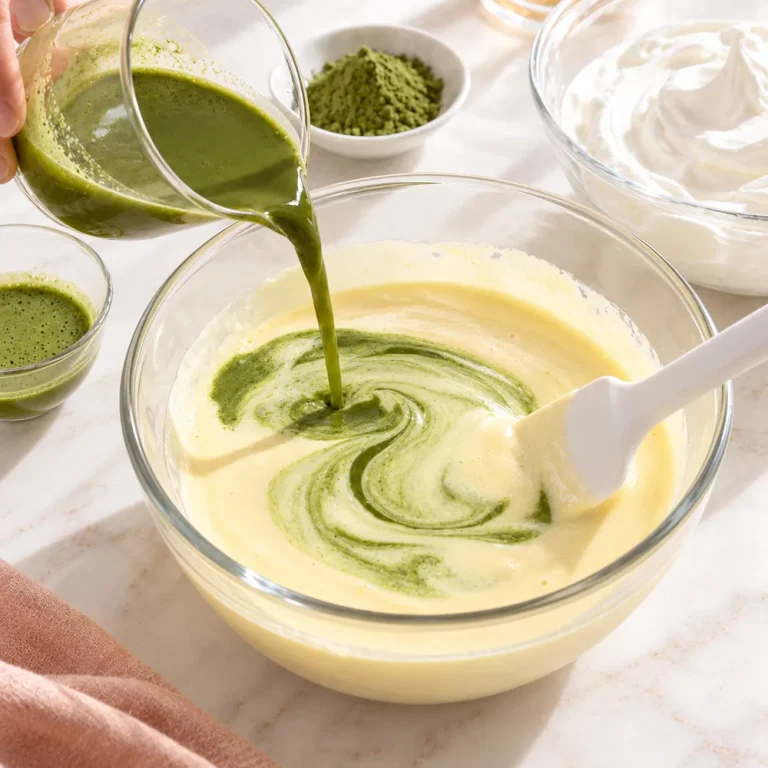
On June 3, 1990, the Los Angeles Times published a dessert article built around combining Japanese ingredients with French techniques, including a separate green-tea mousse component made with green-tea powder, Egg yolks, sugar, Milk, gelatin and whipped cream. On October 9, 2002, the same newspaper profiled Taiwan-born pastry chef R.J. Guo, who combined classical French pastry with Asian ingredients; his “Wizard of Oz” cake included green-tea mousse, red-bean mousse and vanilla cake. These records show that green-tea mousse existed and circulated as a modern fusion dessert by the late 20th century, but they do not establish 1990 as the invention date.
Cultural Context
Green Tea Mousse represents the cross-cultural adoption of tea flavor by modern pastry technique. The mousse structure comes from Western dessert traditions, while green-tea powder—especially matcha—became an important way for East Asian tea flavors to enter contemporary pastry. Chinese public materials also document “green tea mousse cake” and technical uses of green-tea powder in mousse, showing that the name and form are not limited to a Japanese context.
Tea Conversations
Tea lovers from around the world meet over a cup of tea.
Sign in or register to join the conversation. Your comment account is created automatically the first time you use a connected account.
No comments yet
Share your thoughts with readers around the world.