Skip to content
Tea & Realm
English

Hakka Lei Cha Rice

A bowl of pounded tea poured over rice brings Hakka hospitality and everyday food into one meal.

A traditional Hakka meal form in which tea leaves, peanuts, Sesame and related ingredients are ground into a paste and mixed with hot water to make lei cha soup. Rice and side dishes such as seasonal vegetables, beans, preserved radish and peanuts are prepared separately, then combined with the soup at the table. Tea type and accompaniments vary significantly among Hakka regions.

Category
Tea Meals · Hakka lei cha rice
Tea ingredient
Green tea or fresh tea leaves, depending on regional Hakka practice
Tea form
Other

Tea in the Dish

Tea leaves contribute pleasant bitterness, clean aroma and vegetal notes, combining with Peanut and Sesame aromas to form the thick lei cha soup. Once poured over rice and side dishes, that soup becomes the primary flavoring liquid for the whole bowl.

Tea ingredient
Green tea or fresh tea leaves, depending on regional Hakka practice
Tea form
Other
Role of tea
Main flavor · Liquid base · Supporting aroma
How the tea is used
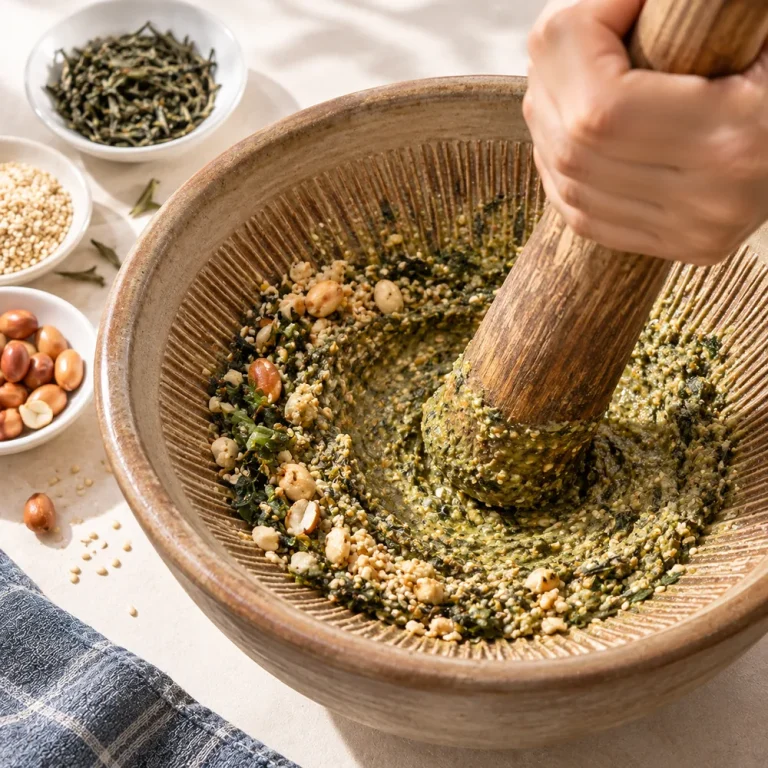
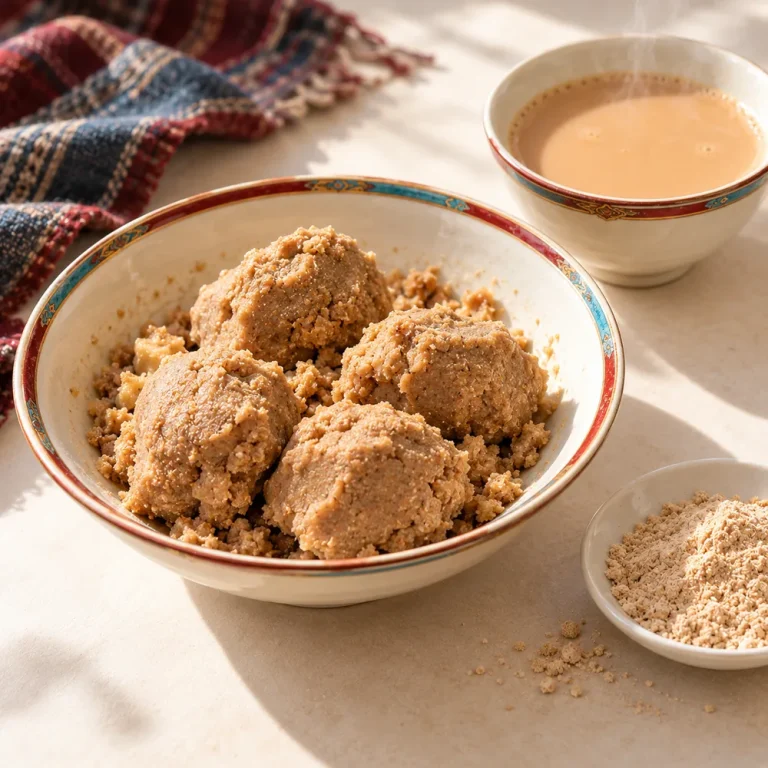
Place the tea leaves, peanuts, Sesame and related ingredients in a ridged lei cha mortar and grind repeatedly with a pestle into a paste or slurry. Add boiling water to turn it into a relatively thick lei cha soup. In meal-style versions, prepare rice and side dishes separately, then ladle the soup into the assembled rice bowl at the table.

Flavor & Texture

Tea, Sesame and Peanut aromas form the soup base. Rice provides the main staple, while stir-fried vegetables, beans and preserved vegetables add savoriness and varied textures. The result is thicker and more layered in nutty and herbal notes than ordinary tea-soaked rice.

Aroma
Green tea aroma · Sesame aroma · Peanut aroma · Herbal aroma
Taste
Savory and fragrant · Tea character · Nutty · Fresh and light
Texture
Thick · Slightly grainy · Soft rice · Layered chew

Origin & Culture

Origin & Story

Hakka Lei Cha Rice is a traditional meal form that extends Hakka lei cha from hospitality beverage into a full meal. Existing literature and official sources show that Guangdong Hakka lei cha has a particularly strong “meal-style” character: it is eaten with rice, stir-fried vegetables, beans, preserved radish, peanuts or dried shrimp, forming lei cha rice or lei cha pao fan. Hakka communities in Taiwan also preserve the practice of eating lei cha with rice and cooked dishes. Its cultural parent tradition—Hakka lei cha—has national and UNESCO-related heritage status in Gannan, but the specific dish name “Lei Cha Rice” is not separately inscribed under those lists.

Historical Development

Hakka lei cha has a long history, but its exact origin is surrounded by multiple legends and later interpretations. China's national heritage materials treat Gannan Hakka Lei Cha as a food habit formed through Hakka migration, production and everyday life and relate it to older porridge-tea and whisked-tea traditions. Stories such as Zhang Fei's “Three-Life Soup” appear in local cultural materials as legends rather than established history. For the meal form now called lei cha rice, research collected by Taiwan's Hakka Affairs Council describes Guangdong lei cha as “meal-style lei cha,” characterized by combining lei cha with rice and side dishes at the dining table. Guangzhou official reporting likewise records the combination of a bowl of lei cha, rice and side dishes and calls the act of ladling tea into rice “lei cha pao fan.”

Cultural Context

Lei cha is both a tea practice and part of Hakka hospitality, weddings, celebrations, neighborly exchange and everyday family life. Gannan Hakka Lei Cha making craft entered China's national intangible-cultural-heritage list in 2014 and in 2022 became a constituent element of UNESCO's “Traditional tea processing techniques and associated social practices in China.” Lei cha rice extends this shared tea custom into a staple meal: each person takes rice, chooses side dishes, then pours or ladles in lei cha soup and eats together.

Regional Customs

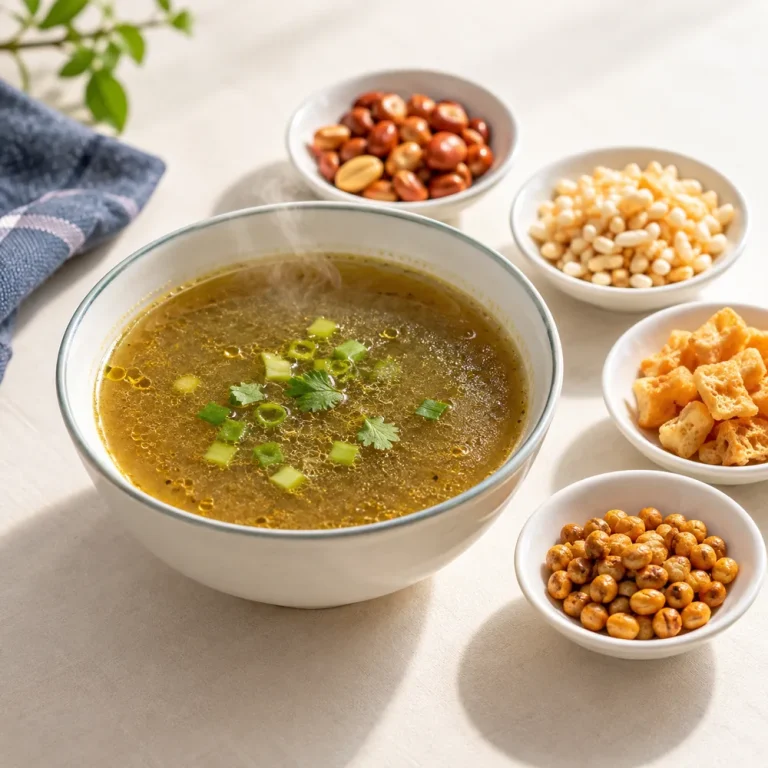
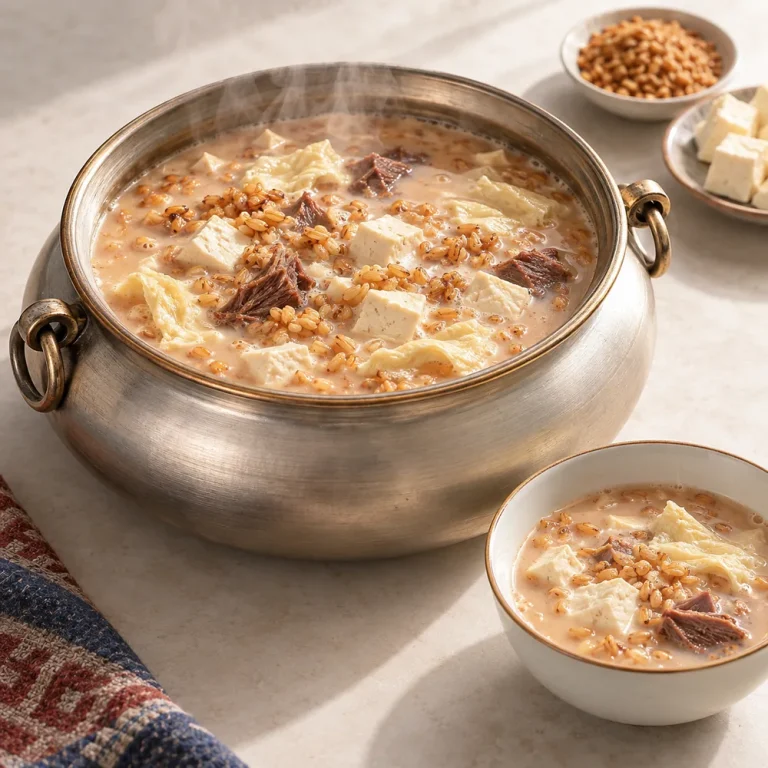
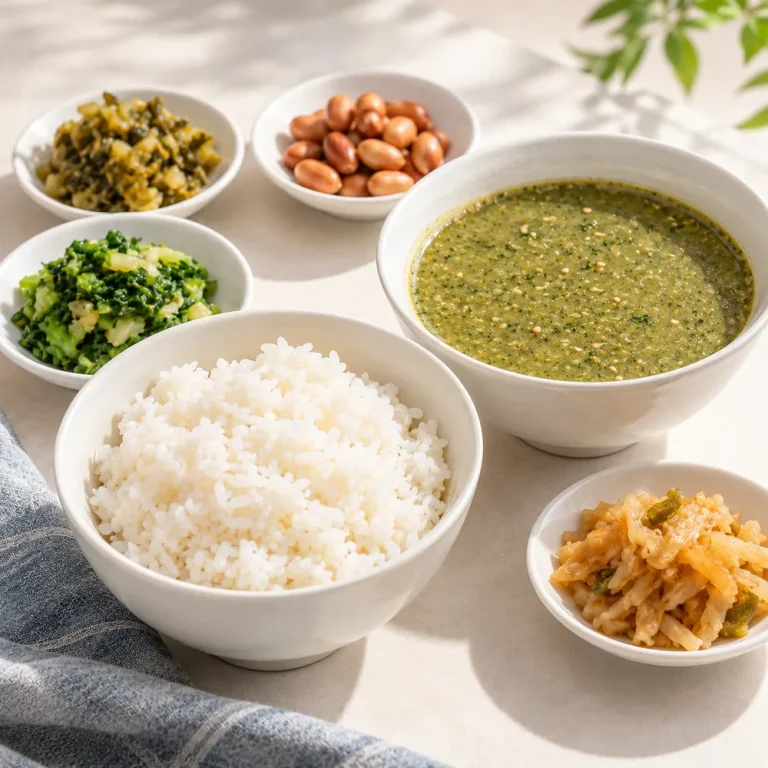
Documented lei cha rice in eastern and northern Guangdong often uses green tea, peanuts, black Sesame and fragrant herbs in the soup, with rice, long beans, bok choy, lettuce, dried shrimp and preserved radish prepared separately. Contemporary Hakka restaurants in Guangzhou may also serve adzuki beans, salted mustard stem, dried radish and roasted peanuts. Taiwan Hakka households may grind green tea with black and white Sesame, peanuts and coriander or basil, pairing the soup with fried rice or mixed-grain rice, tofu and seasonal vegetables. Gannan lei cha may use fresh tea leaves, glutinous rice, Sesame, soybeans, peanuts, salt and local herbs. The variation is too large for any one list to serve as the universal Hakka standard.

Creation Notes

Stories such as “Three-Life Soup” or Zhang Fei using lei cha in his army are widely circulated origin legends. Official cultural sources generally frame them as tradition or legend. They can be presented as folklore but not as proof that one historical figure invented lei cha rice.
Serving Notes

Serving temperature
Hot
Serving style
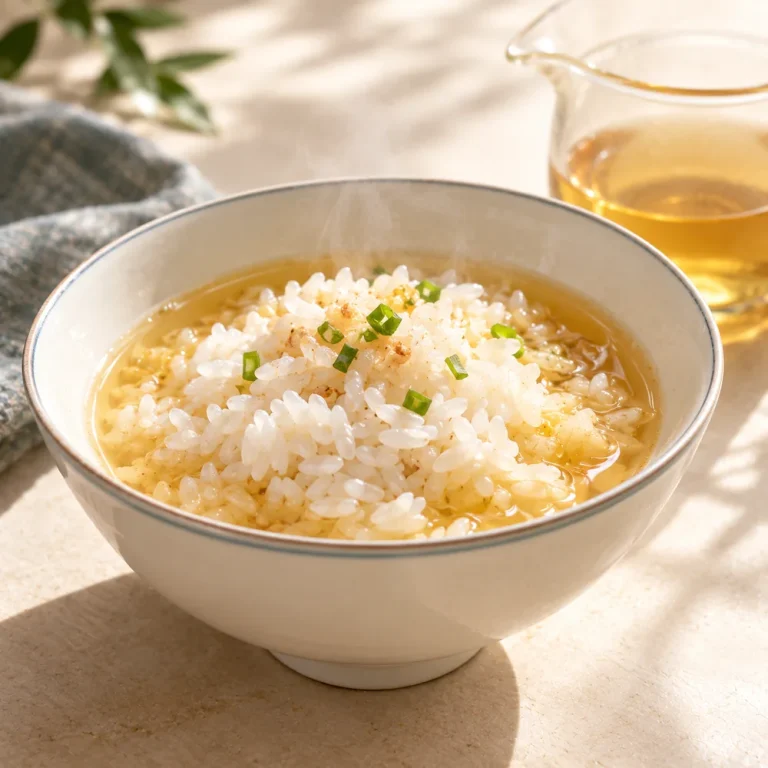
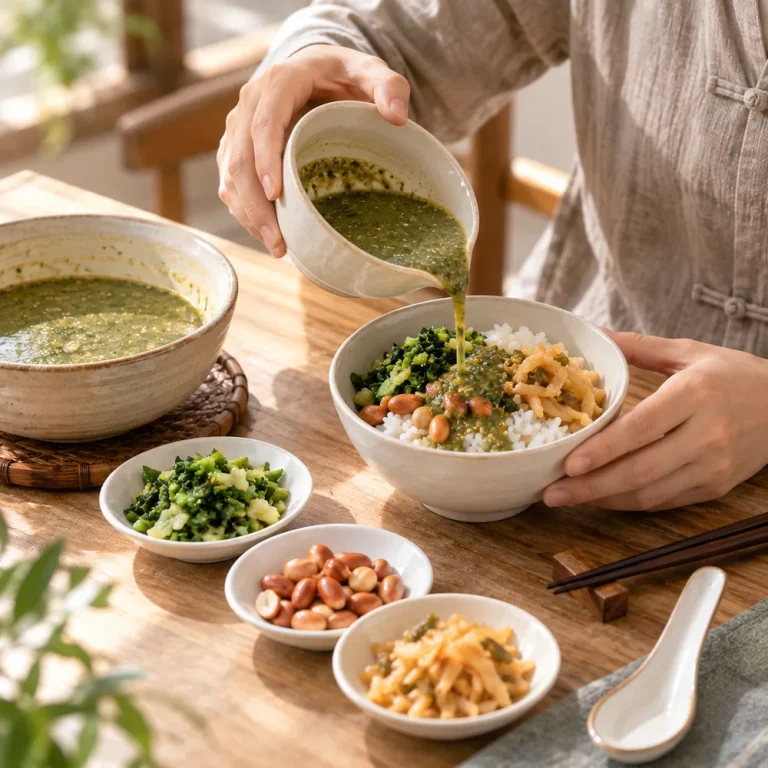
Serve a bowl of lei cha soup, a bowl of rice and several side dishes separately. Diners assemble rice and side dishes in their own bowl, then ladle over the hot lei cha soup.
Season
All year
Best occasions
Breakfast · Home snack · Tea table · Other
Storage
Lei cha soup, rice and side dishes are best prepared and kept separately and eaten fresh. No single storage period is set across Hakka regions.
Reheating
If reheating is needed, warm the rice and lei cha soup separately. This Generic page does not set fixed reheating parameters unsupported by a standardized recipe.
Allergens
Peanut · Sesame
Caffeine
Contains caffeine · Unquantified

Multiple official and cultural sources consistently list peanuts and Sesame among core lei cha ingredients, so Peanut and Sesame allergens are identified. Regional side dishes may also contain soybeans, dried shrimp, meat or compound seasonings, but these are not universal and should be checked against the specific recipe. Tea leaves are ground directly into the paste and soup, so natural caffeine is present, but tea type and dose vary too much to calculate a uniform milligram amount per serving.

客家擂茶饭·场景图

Method Overview

客家擂茶饭·过程图

How It Works

Hakka Lei Cha Rice has two modules that are prepared separately and combined only at eating time. First, tea leaves, peanuts, Sesame and related ingredients are ground into a tea paste and loosened with hot water to make lei cha soup. Second, rice and several cooked side dishes are prepared separately. Only when served are the rice, vegetables and lei cha soup brought together. It is neither rice cooked directly in tea nor plain tea poured over white rice.

Tea Conversations

Tea lovers from around the world meet over a cup of tea.

Sign in or register to join the conversation. Your comment account is created automatically the first time you use a connected account.