Skip to content
Tea & Realm
English

Wuyi Tea Noodles

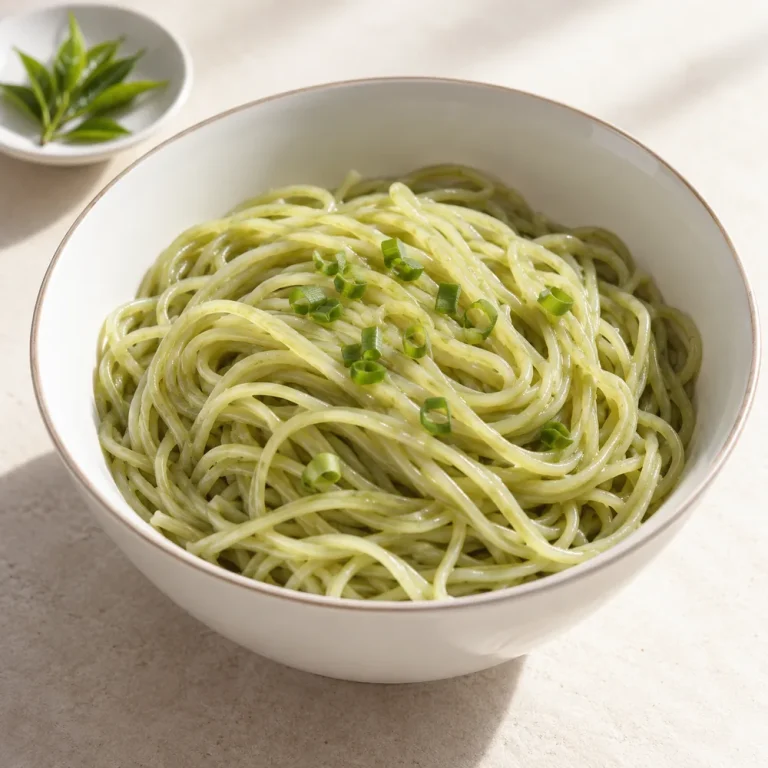
A wash of fresh tea green kneaded into noodles—the lightest bowl in a Wuyishan tea banquet.

A representative tea food in the modern Wuyishan tea-banquet system, made by kneading dough with juice from fresh tea shoots and rolling it into noodles. The noodle body takes on a light green color and fresh tea aroma, and current Ministry of Culture and Tourism tea-tour materials continue to list it among Wuyishan's well-known tea foods.

Category
Tea Meals · Tea-shoot juice noodles
Tea ingredient
Fresh tea-shoot juice
Tea form
Other

Tea in the Dish

Fresh tea-shoot juice gives the noodles their clear green color and fresh tea fragrance and also becomes part of the dough's liquid. Public materials describe the finished noodles as fragrant, soft and resilient.

Tea ingredient
Fresh tea-shoot juice
Tea form
Other
Role of tea
Main flavor · Color · Liquid base · Supporting aroma
How the tea is used
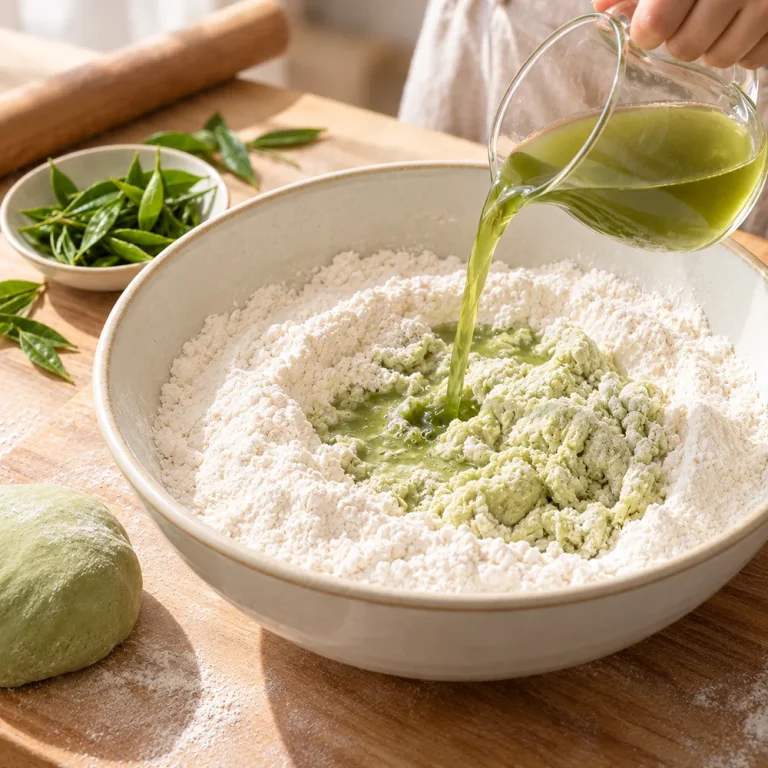
Process fresh tea shoots into juice, use that juice as part of the dough liquid, then roll the dough into noodles. The tea juice is incorporated before shaping rather than being added only as soup or sauce after cooking.

Flavor & Texture

Fresh tea-leaf aroma and noodle fragrance dominate, with a resilient yet soft texture and an overall light style. Final richness can vary substantially if the noodles are served cold-tossed or with lard, scallion or Other accompaniments.

Aroma
Fresh-leaf tea aroma · Wheat aroma
Taste
Fresh and fragrant · Light · Tea character
Texture
Resilient · Soft

Origin & Culture

Origin & Story

Wuyi Tea Noodles are best defined as a representative tea food within Wuyishan's modern tea-banquet system. Fujian Daily-system sources state that local chefs developed Wuyi tea banquets through continued experimentation beginning in the 1990s and used tea liquor and fresh leaves in multiple ways. Ministry of Culture and Tourism tea-tour materials also list Wuyi Tea Noodles among local tea foods. The evidence securely establishes a modern Wuyi tea-banquet identity but is insufficient to name one inventor or an absolute first year.
Historical Development

Wuyishan has a long history of tea production and tea drinking, but that does not allow Wuyi Tea Noodles to be projected backward as an ancient noodle tradition. A 2022 Fujian Daily-system report explicitly states that the Wuyi tea banquet began forming in the 1990s as local chefs continued experimenting on the basis of regional tea culture, using tea liquor, fresh leaves and Other forms in cooking. Earlier Wuyi tea-industry materials further describe the noodle's defining method: tea-shoot juice is kneaded into the dough and rolled into noodles, giving a clear green color, fresh fragrance and a soft yet resilient bite. In 2024, a Ministry of Culture and Tourism spring tea-tour route still listed Wuyi Tea Noodles among Wuyishan's notable tea foods, showing that the dish has become a relatively stable element of local tea tourism.

Cultural Context

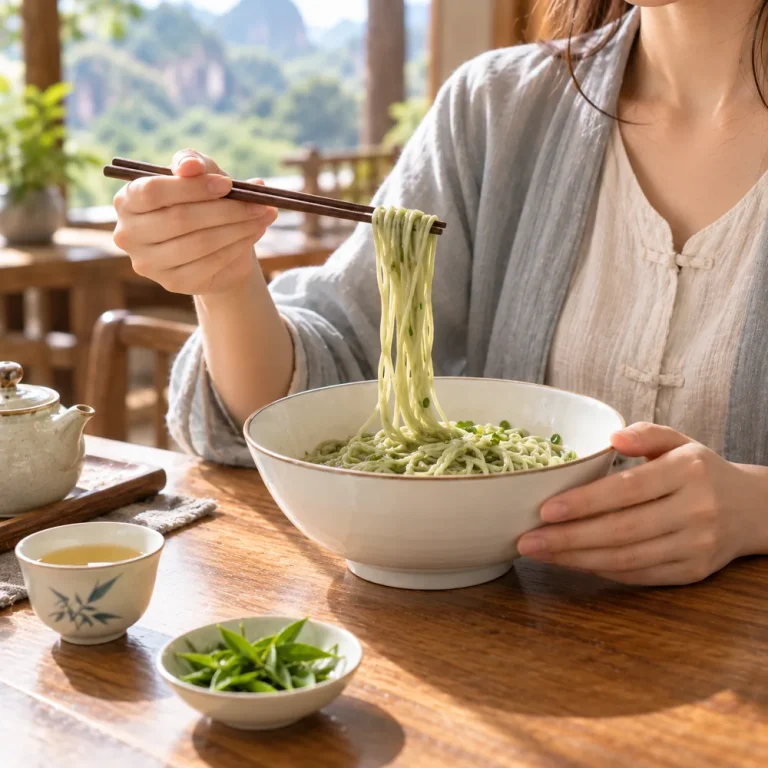
Wuyi Tea Noodles show how modern Wuyishan extends tea culture from drinking into the meal itself: instead of using already brewed rock-tea liquor, the dish brings fresh tea shoots directly into noodle making. Together with Da Hong Pao tea eggs, Da Hong Pao Tea Dumplings and Black Tea Tangyuan, it forms part of the broader Wuyi tea-food and tea-banquet system.

Regional Customs

Public sources also mention “cold tossed tea noodles” as a Wuyi tea-banquet dish, and contemporary Wuyishan restaurants continue to list cold versions. Current evidence does not prove that every “cold tossed tea noodle” uses exactly the same formula as “Wuyi Tea Noodles,” so the page does not make it an Alias and treats it only as a related food.

Serving Notes

Serving temperature
Other
Serving style
Serve as a noodle dish within a Wuyi tea banquet. Public materials include cold-tossed tea noodles, but there is no single standardized serving style.
Best occasions
Banquet · Tea table · Other
Caffeine
Contains caffeine · Unquantified

Fresh tea leaves naturally contain caffeine, and the tea-shoot juice enters the dough directly, so the finished noodles contain tea-derived caffeine. Fresh-leaf cultivar, quantity, juice yield and portion size are unknown, so caffeine cannot be quantified. Wuyi Tea Noodles are a flour-based food and actual versions are very likely to use gluten-containing flour, but higher-level public sources do not disclose the exact flour, Egg use or Other ingredients. The Generic record therefore keeps allergen status as not checked; any specific recipe should re-check wheat/gluten, Egg and related allergens.

武夷茶面·场景图

Method Overview

武夷茶面·过程图

How It Works

The core technique of Wuyi Tea Noodles is not pouring tea over cooked ordinary noodles, but kneading fresh tea-shoot juice directly into the dough. The juice simultaneously provides liquid, color and aroma, so the noodles already carry tea identity before they are shaped. Public sources do not disclose juice concentration or dough ratios, so the technical logic can be confirmed without inventing standard grams of flour and tea juice.

Tea Conversations

Tea lovers from around the world meet over a cup of tea.

Sign in or register to join the conversation. Your comment account is created automatically the first time you use a connected account.