Skip to content
Tea & Realm
English

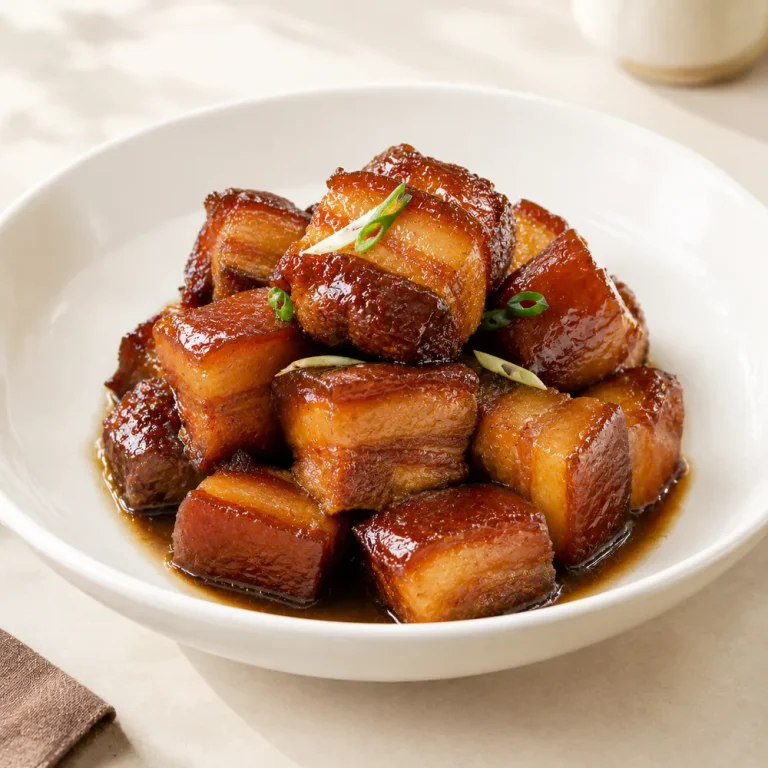
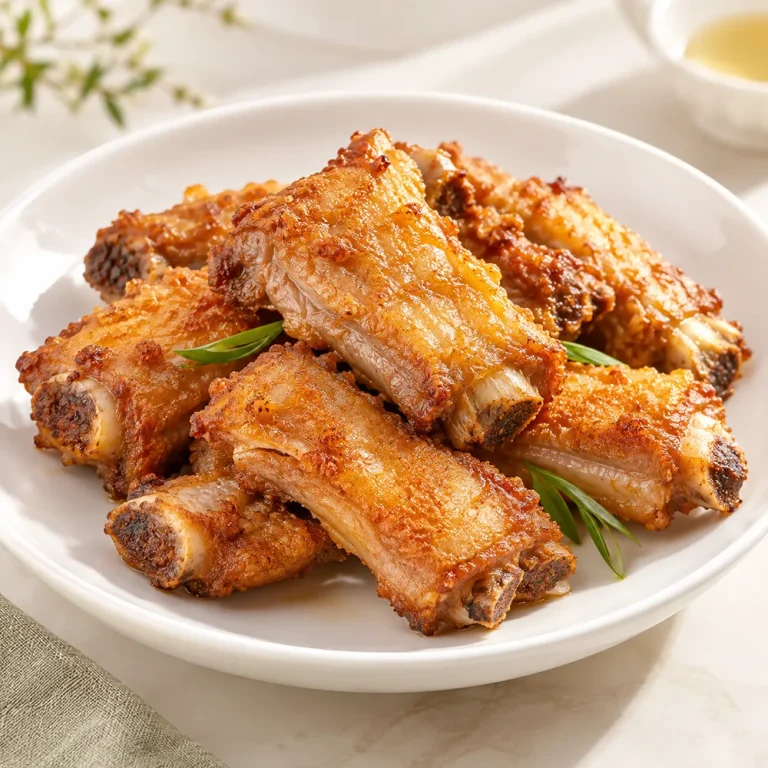
Tea-Scented Golden Ribs

Tea liquor steeps into the ribs, bringing fragrance before the surface turns golden and crisp.

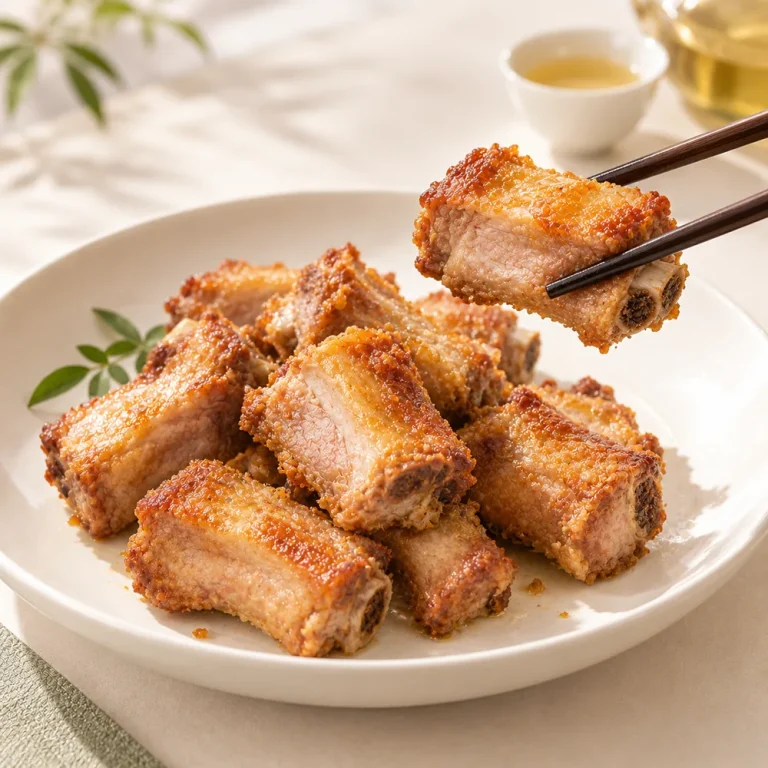
A representative modern tea-banquet dish from the Gaoligongshan Tea Expo Garden in Tengchong, where ribs are stewed with tea liquor and then fried or pan-fried into a golden crisp exterior, leaving a light tea fragrance within the meat.

Category
Tea Dishes · Tea-scented crispy ribs
Tea ingredient
Tea leaves (Gaoligongshan Tea Expo Garden version; exact tea category not published)
Tea form
Tea liquor

Tea in the Dish

Tea liquor gives the ribs a light tea fragrance and helps the dish retain a brighter golden appearance by reducing reliance on a dark Soy-sauce system. The final style centers on pork aroma, crispness and a light tea finish.

Tea ingredient
Tea leaves (Gaoligongshan Tea Expo Garden version; exact tea category not published)
Tea form
Tea liquor
Role of tea
Liquid base · Main flavor · Supporting aroma · Color
How the tea is used
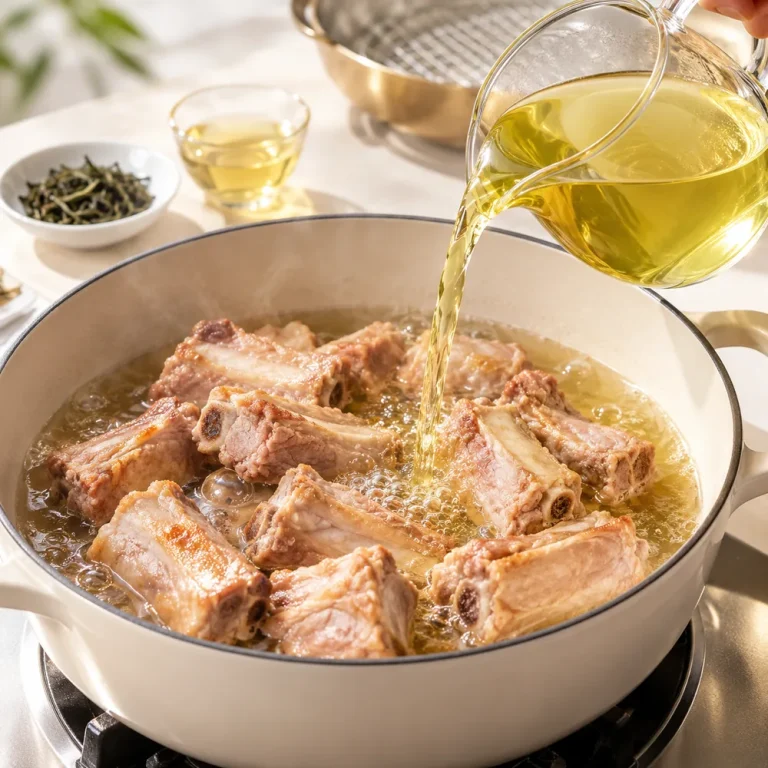
Brew the tea into liquor first. The representative method uses the first and second infusions to stew the ribs, which are then fried or pan-fried until golden and crisp.

Flavor & Texture

Pork and fried crispness dominate, while tea aroma remains lighter and appears later with a clean, refreshing edge. The dish combines savoriness, slight sweetness and a crisp-outside, tender-inside texture.

Aroma
Tea aroma · Pork aroma · Fried aroma
Taste
Savory · Slightly sweet · Tea-scented
Texture
Golden and crisp · Crisp outside, tender inside

Origin & Culture

Origin & Story

Tea-Scented Golden Ribs can currently be identified clearly as a named creative dish in the modern tea banquet of Tengchong's Gaoligongshan Tea Expo Garden. Public reporting in 2020 already described the use of the first and second tea infusions to stew the ribs before frying; in 2025, Tengchong cultural-tourism authorities and Yunnan Civilization Network continued listing it as a representative tea-banquet dish. The evidence confirms its continued presence in the local tea-tourism dining system but is insufficient to identify a specific inventor or first creation year.
Historical Development

The Gaoligongshan Tea Expo Garden was developed by Tengchong Gaoligongshan Ecological Tea Co., Ltd. as a local tea-tourism project combining tea production, tea-culture experiences and dining. Public tea-banquet reporting from 2020 already features Tea-Scented Golden Ribs and explains that first- and second-infusion tea liquor is used in the rib stew before frying, with the fresh-green tea liquor taking over part of the role usually played by Soy sauce. In 2025, Tengchong cultural-tourism authorities and Yunnan Civilization Network again listed the dish among representative items in the garden's tea banquet, describing it as golden and crisp with a light tea fragrance. Local tea-garden reporting in 2026 continued recommending rib dishes in the same tea-cuisine system, showing that tea-infused ribs had become an enduring dining expression at the site. Because there is no historical cookbook, local cooking standard or traditional-famous-dish registry supporting an older lineage, this record does not present it as an ancient Yunnan classic.

Cultural Context

This dish belongs to the Gaoligongshan Tea Expo Garden's modern practice of extending tea from beverage into full meals. The garden's tea banquet also includes tossed tea tips, Green Tea Mousse, black-tea steamed dishes, Tea-Stewed Chicken and Tea-Scented Beef, forming a broader cuisine system in which tea liquor, fresh tea leaves and tea powder all participate in cooking.

Regional Customs

Reliable current sources point mainly to the Gaoligongshan Tea Expo Garden version in Tengchong. Other regions also have dishes called Tea-Scented Ribs or Longjing Tea-Scented Pork Ribs, but tea type, method and seasoning differ, so they should not be merged directly into this entry.

Serving Notes

Serving temperature
Hot
Serving style
Serve hot after stewing and then frying or pan-frying, emphasizing a golden crisp exterior.
Best occasions
Banquet · Tea table
Storage
Best cooked and eaten fresh. Public sources provide no standardized storage period.
Reheating
Reheating is not recommended as the standard serving method, because repeated heating noticeably reduces both the crisp exterior and tea aroma.
Caffeine
Contains caffeine · Unquantified

Real tea liquor is used in the rib stew, so the finished dish contains naturally occurring caffeine from tea. Tea category, leaf dose, concentration of the first two infusions, reduction and actual amount consumed are all unknown, so a reliable per-serving milligram estimate is impossible. Because the full marinade and seasoning are not public, allergen status remains not checked.

茶香黄金排骨·场景图

Method Overview

茶香黄金排骨·过程图

How It Works

The core logic is “tea liquor enters the meat first, then frying creates the crisp outer layer.” Public materials say the first and second tea infusions are used to stew the ribs before they are fried. Tea aroma therefore penetrates the meat and cooking liquid rather than appearing only as a final garnish. The dish is described as golden rather than dark brown, suggesting a seasoning approach that intentionally reduces the heavy dark-Soy color typical of some braised rib dishes.

Tea Conversations

Tea lovers from around the world meet over a cup of tea.

Sign in or register to join the conversation. Your comment account is created automatically the first time you use a connected account.