Skip to content
Tea & Realm
English

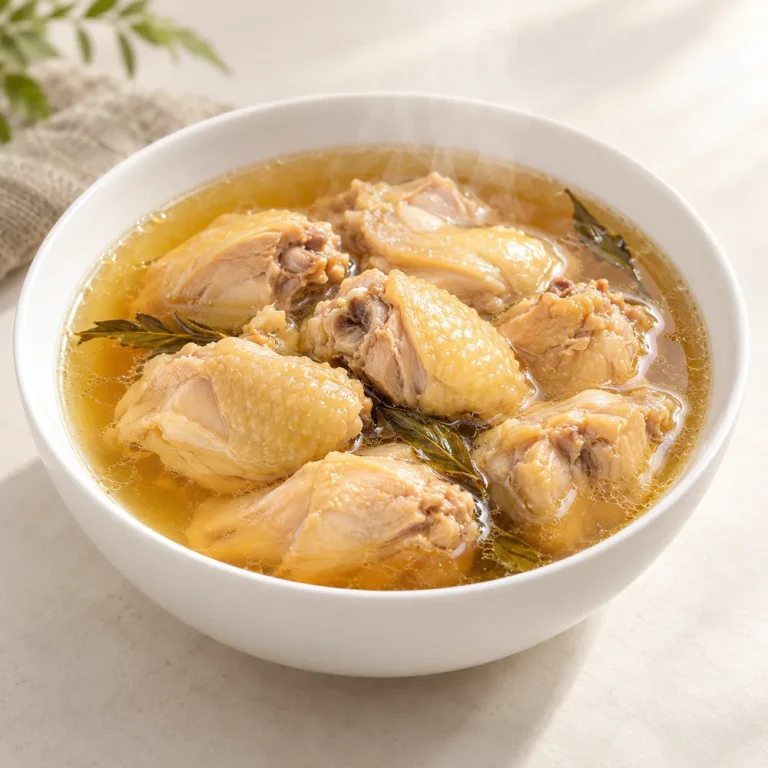
Tea-Stewed Chicken

Tea aroma settles into chicken broth, adding a clean mountain freshness to the stew.

A Generic tea-cuisine category in which tea leaves or tea liquor take part in stewing chicken. Official examples include Tea-Stewed Chicken in Tengchong tea banquets, Pu'er Tea-Stewed Chicken in Yunnan tea-culture promotion, and regional chicken dishes stewed directly with dry tea leaves; tea type, origin and exact recipe are not standardized.

Category
Tea Dishes · Tea-stewed chicken
Tea ingredient
Tea leaves (type varies by version)
Tea form
Other

Tea in the Dish

Tea adds clean fragrance, vegetal notes or a fuller tea character to chicken broth, giving the meat and soup another aromatic layer beyond savoriness. Different tea types can shift the final style substantially.

Tea ingredient
Tea leaves (type varies by version)
Tea form
Other
Role of tea
Main flavor · Supporting aroma
How the tea is used
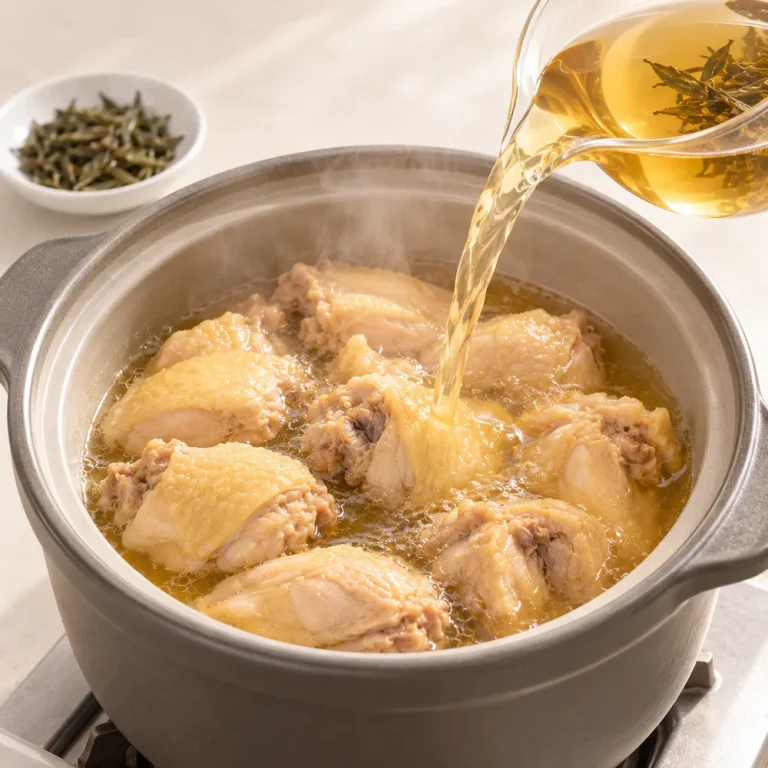
At least two documented routes exist: brew or boil the tea first and use the liquor as the stewing liquid, or add dry tea leaves directly during chicken stewing. The exact tea form and concentration vary by region and recipe.

Flavor & Texture

Chicken and broth remain the savory core, with tea usually appearing as a lighter second layer. Pu'er versions may feel fuller and more mellow, while versions using tender leaves directly can taste fresher.

Aroma
Tea aroma · Savory chicken-broth aroma
Taste
Savory · Fresh and fragrant · Tea character
Texture
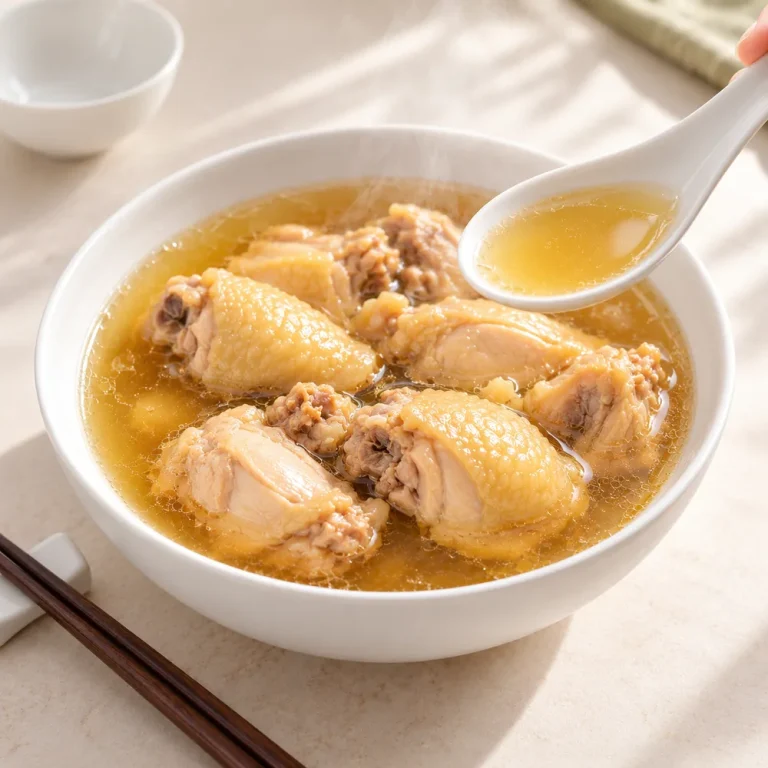
Tender meat · Silky broth

Origin & Culture

Origin & Story

Tea-Stewed Chicken is currently best treated as a Generic tea-cuisine pattern rather than a regional classic with one birthplace, inventor and traditional standardized recipe. The Gaoligongshan Tea Expo Garden in Tengchong clearly serves Tea-Stewed Chicken, Yunnan agricultural authorities publicly mention Pu'er Tea-Stewed Chicken, and Other regions also add dry tea directly to chicken stew. The evidence supports a stable cooking relationship between tea and chicken, not a unique historical lineage.
Historical Development

Official Tengchong cultural-tourism channels and Yunnan local publicity both list Tea-Stewed Chicken in the Gaoligongshan Tea Expo Garden banquet and describe it as tender and richly brothy. In 2025, Yunnan's Department of Agriculture and Rural Affairs explicitly listed Pu'er Tea-Stewed Chicken in a provincial tea-promotion event, showing that tea-stewed chicken is a real contemporary Yunnan tea-cuisine form. In 2026, Shannan's cultural-tourism bureau also documented Tea-Scented Stone-Pot Tibetan Chicken in the Lebugou area, where dry tea leaves are added during stewing. Together these examples show that tea-and-chicken stewing is not an isolated invention of one restaurant, but current evidence still does not establish an ancient origin, one unified dish-name lineage or a single birthplace.

Cultural Context

In modern tea tourism and tea-banquet settings, Tea-Stewed Chicken turns local tea resources into a main-course dish. Tengchong's Gaoligongshan Tea Expo Garden serves it alongside Tea-Scented Golden Ribs, tossed tea tips, red-tea steamed dishes and Other tea foods; Yunnan's Department of Agriculture and Rural Affairs also presents Pu'er Tea-Stewed Chicken as one expression of “tea aroma on the tongue.” The dish reflects the contemporary extension of tea culture from beverage to table.

Regional Customs

Yunnan versions may use Pu'er or local tea; the Tengchong banquet does not publicly specify a tea type; a related Shannan chicken dish adds local dry tea directly to a stone-pot stew. Home recipes also use Tieguanyin, jasmine tea or green tea. Tea type and how it enters the pot therefore vary by version rather than forming universal rules.

Serving Notes

Serving temperature
Hot
Serving style
Serve hot as a stew or chicken dish with broth, with tea and chicken jointly shaping the flavor of the liquid.
Best occasions
Home snack · Tea table · Other
Reheating
Reheat as you would an ordinary chicken stew, but repeated heating can reduce tea aroma in different ways. This Generic page does not set one fixed reheating temperature or number of reheats.
Caffeine
Contains caffeine · Unquantified

Tea leaves or tea liquor directly enter the stew, so the finished dish contains naturally occurring caffeine from real tea. Tea type, leaf dose, soup volume, cooking time and the amount of broth actually consumed all vary, so caffeine cannot be converted reliably to milligrams per serving. Some home versions use Soy sauce and may involve Soy or wheat/gluten, but the Generic dish has no single recipe, so allergen status remains not checked.

茶叶炖鸡·场景图

Method Overview

茶叶炖鸡·过程图

How It Works

The core of Tea-Stewed Chicken is not one fixed spice list but genuine use of tea in the stewing liquid. The cook may brew tea liquor first and stew the chicken in it, or add dry tea leaves directly to the soup. Long contact between tea and chicken broth blends tea aroma with savory depth, but tea type, leaf dose and extraction time must be controlled to avoid excessive bitterness, astringency or vegetal notes.

Tea Conversations

Tea lovers from around the world meet over a cup of tea.

Sign in or register to join the conversation. Your comment account is created automatically the first time you use a connected account.