Origin & Story
Da Hong Pao Tea Dumplings are a documented famous tea food in Wuyishan tea banquets and tea-tour cuisine, using the region's emblematic Da Hong Pao tea directly in the dumpling wrapper.
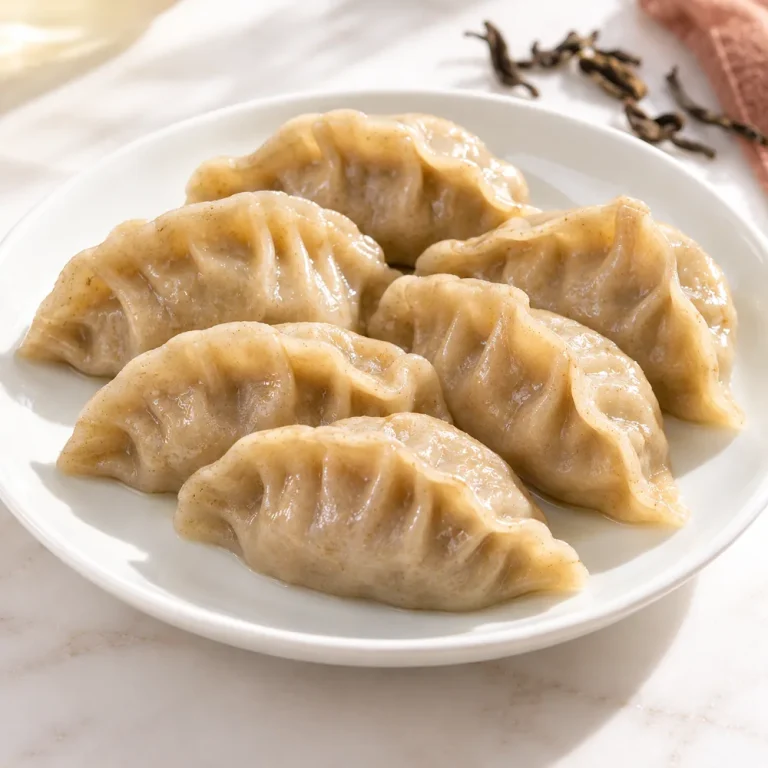
A Wuyishan tea snack in which Da Hong Pao tea liquor and tea powder are mixed into flour to make a tea-scented dumpling wrapper, filled with meat and boiled.
Da Hong Pao enters the wrapper through both tea liquor and tea powder, adding Wuyi rock-tea aroma, slight tea astringency and stronger tea-food identity while contrasting with the savory meat filling.
The central contrast is between the smooth, pliant wrapper carrying Wuyi rock-tea aroma and the savory meat filling. The tea should remain identifiable without becoming overly bitter or astringent, making the dumpling more fragrant and refreshing than an ordinary meat dumpling.
Da Hong Pao Tea Dumplings are a documented famous tea food in Wuyishan tea banquets and tea-tour cuisine, using the region's emblematic Da Hong Pao tea directly in the dumpling wrapper.
Wuyishan cultural-tourism materials from 2021 already list “Da Hong Pao Tea Dumplings” among Wuyi's famous tea foods and describe the core method: brew Da Hong Pao tea, add tea powder and flour to form the dumpling wrapper, fill it with lean meat and boil it. A 2024 Wuyishan spring tea-tour route published by China's Ministry of Culture and Tourism again lists the dish among local famous tea foods. People's Daily reporting on Wuyi food culture also places tea dumplings within the tea-banquet system and emphasizes the use of tea elements across different dishes. These materials are sufficient to confirm a stable contemporary Wuyishan regional identity, but they do not support tracing the dish to a particular ancient dynasty, named inventor or exact creation year.
Its cultural meaning is not simply “dumplings served with tea.” It reflects the Wuyi tea-banquet idea of using tea directly as a cooking ingredient: tea liquor supplies moisture and aroma, tea powder keeps tea flavor in the wrapper, and the dumpling itself becomes a rock-tea-flavored food.
They appear as part of Wuyishan tea banquets, local tea foods and tea-tour dining, and are best understood as a savory snack or tourism dining experience.
Current sources confirm that the dish is part of Wuyishan's contemporary famous tea-food system, but its earliest creation date and individual creator have not been verified.
The wrapper already carries Da Hong Pao aroma, so there is no need to mechanically pair it with the same tea. Any additional tea pairing should be treated as a separate editorial suggestion.
Caffeine is confirmed to be present. At minimum, wheat/gluten is a confirmed allergen; because the meat seasoning is not fully disclosed, commercial versions may also contain Soy, Sesame or Other allergens and should be checked against the actual ingredient list.
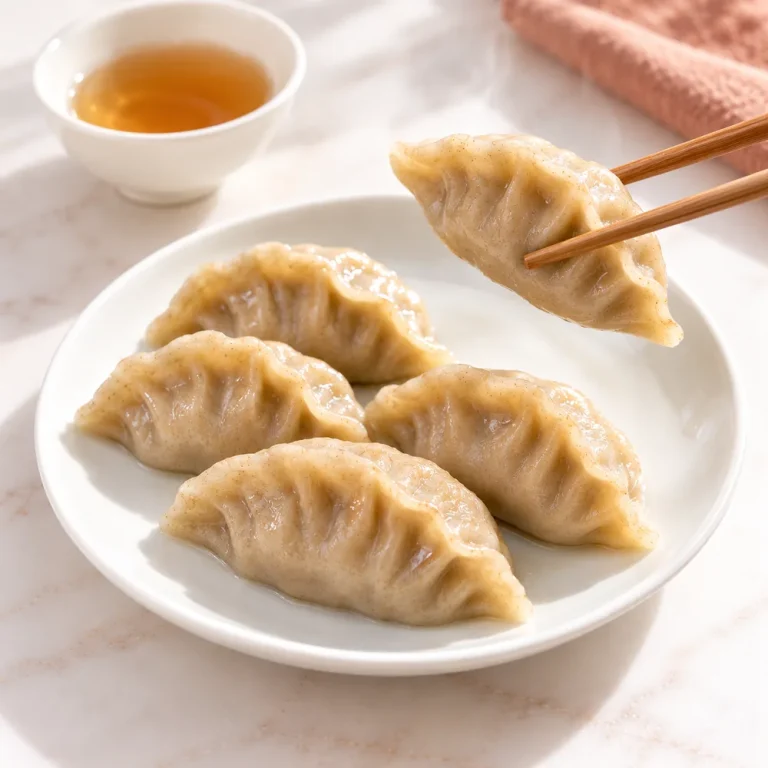
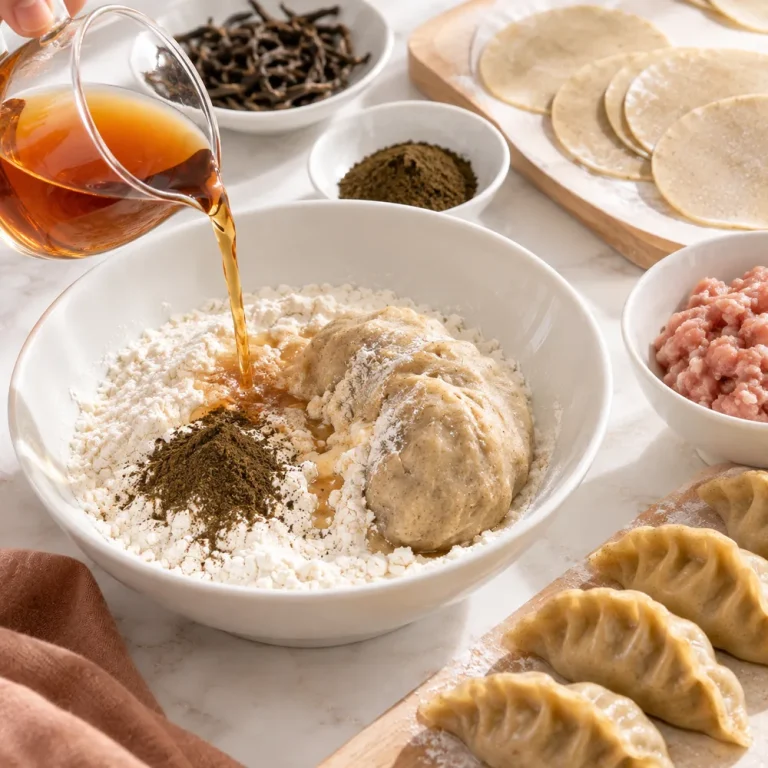
The documented structure of this tea dumpling is clear: Da Hong Pao tea liquor and tea powder are incorporated into flour to make a tea-scented wrapper; the wrapper encloses a lean meat filling and the dumpling is then boiled in water. Tea is not merely a dipping sauce or garnish—it directly changes the wrapper's liquid, aroma and color. Because the public sources do not give a tea-powder ratio, dough hydration, filling seasoning or cooking time, this page preserves the verified process logic without manufacturing a false standard recipe.
Tea Conversations
Tea lovers from around the world meet over a cup of tea.
Sign in or register to join the conversation. Your comment account is created automatically the first time you use a connected account.
No comments yet
Share your thoughts with readers around the world.