A Thousand Turns of Aroma, Shaped by Craft and Fire
Oolong tea is most captivating in the range of change between aroma and taste. Withering, bruising and resting, fixation, rolling, drying and roasting interact with cultivar and terroir, allowing teas within the same category to be delicate and ethereal, intensely fragrant, or deep and full-bodied.
Begin with Aroma: Understanding Oolong
Bruising and resting, cultivar, terroir and heat all shape oolong’s complex and shifting aromatic character.
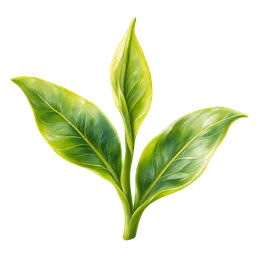
Begin with a single leaf
Aroma rises gradually from the leaf and resonance unfolds through heat
Oolong tea is difficult to summarize with one aroma or one taste. After withering, repeated rounds of bruising and resting—known collectively as zuoqing—guide the leaf through controlled change. Fixation, rolling and drying then stabilize and further shape its aroma and liquor. Tieguanyin, Wuyi Rock Tea, Phoenix Dancong, Taiwan oolong and Zhangping Shui Xian all belong to the oolong family, yet cultivar, growing site, degree of zuoqing, shaping method and roasting can give them completely different appearances and sensory profiles.
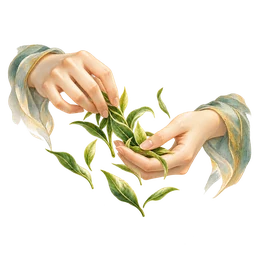
Zuoqing sets the direction
Zuoqing is one of oolong tea’s most distinctive processes. Through repeated cycles of movement and resting, the leaves undergo controlled partial oxidation: raw green notes recede while floral, fruity and more mature aromas develop.
Cultivar differences are pronounced
Oolong is especially dependent on tea cultivar. Tieguanyin, Shui Xian, Rougui, Phoenix Shui Xian and other cultivars have different aromatic foundations and leaf characteristics, and those differences remain evident after processing.
Terroir enters the cup
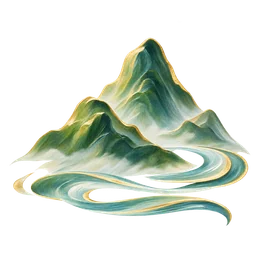
Rocky soil, elevation, climate, sunlight and moisture all influence the fresh leaf. Wuyi’s rocky mountains, Anxi’s hills and the Phoenix Mountains are therefore not merely place names but important backgrounds to the styles of their oolongs.
Roasting adjusts texture and aroma
After drying, some oolongs are roasted or re-roasted to different degrees according to the desired style. Heat changes how aroma unfolds and can alter mouthfeel, but heavier roasting is not automatically better, and not every oolong seeks a pronounced roasted character.
Classic Oolongs, Each with Its Own Resonance
Begin with well-known teas to see how oolong changes in form, aroma, taste and terroir.
From terroir and zuoqing to roasting, oolong pushes aroma and taste into unusually complex layers.
Dry Leaf Form
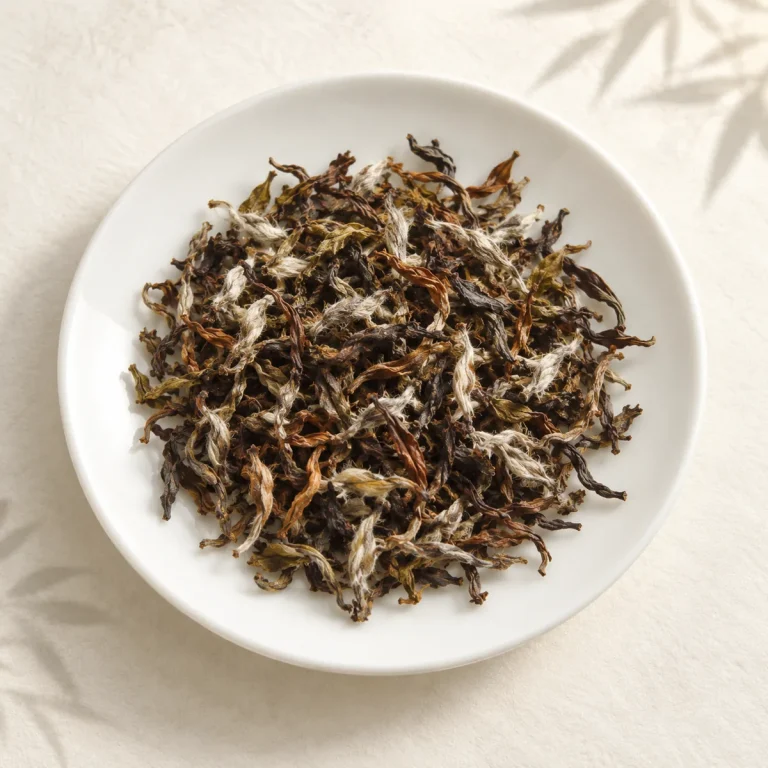
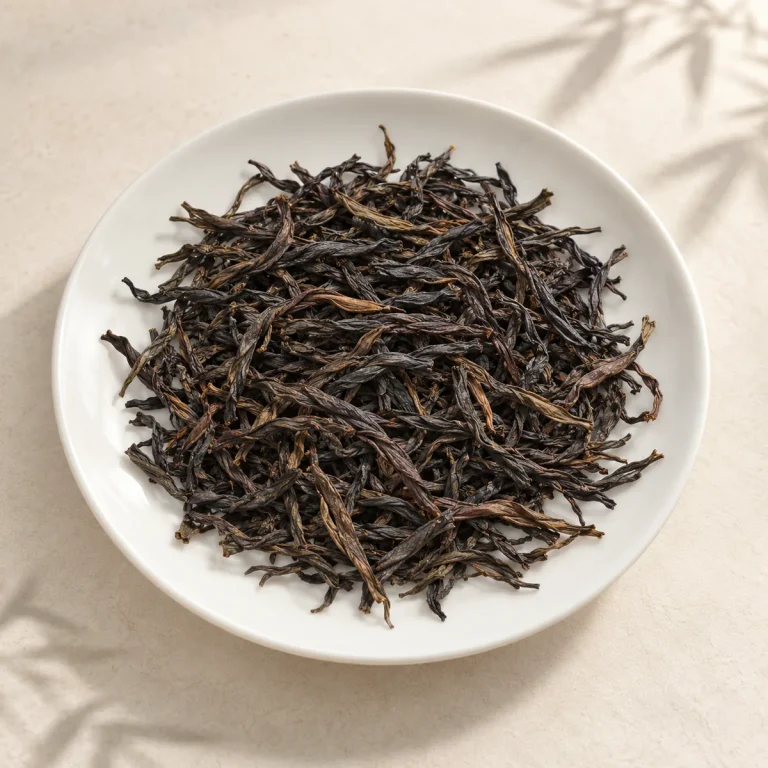
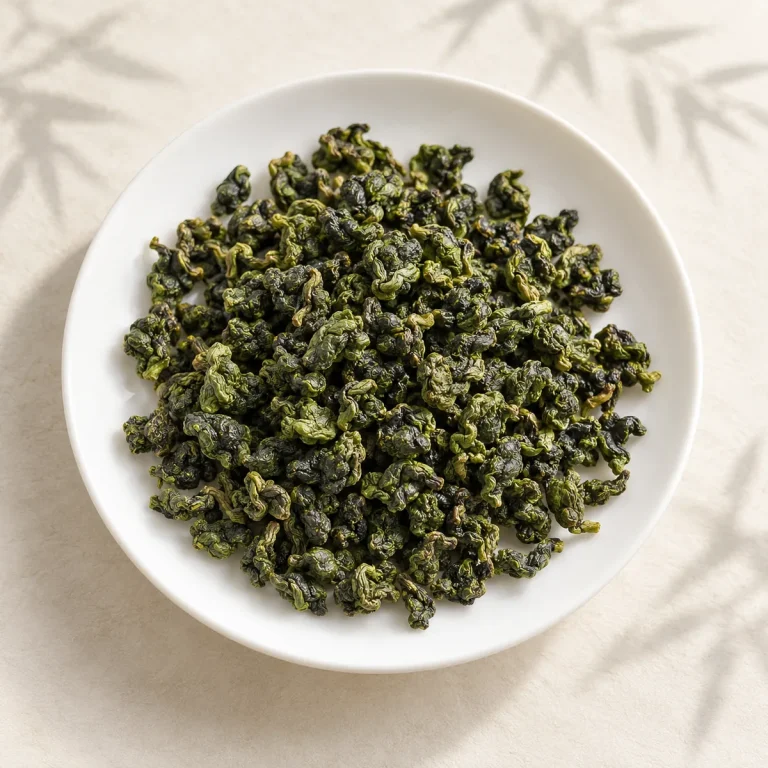
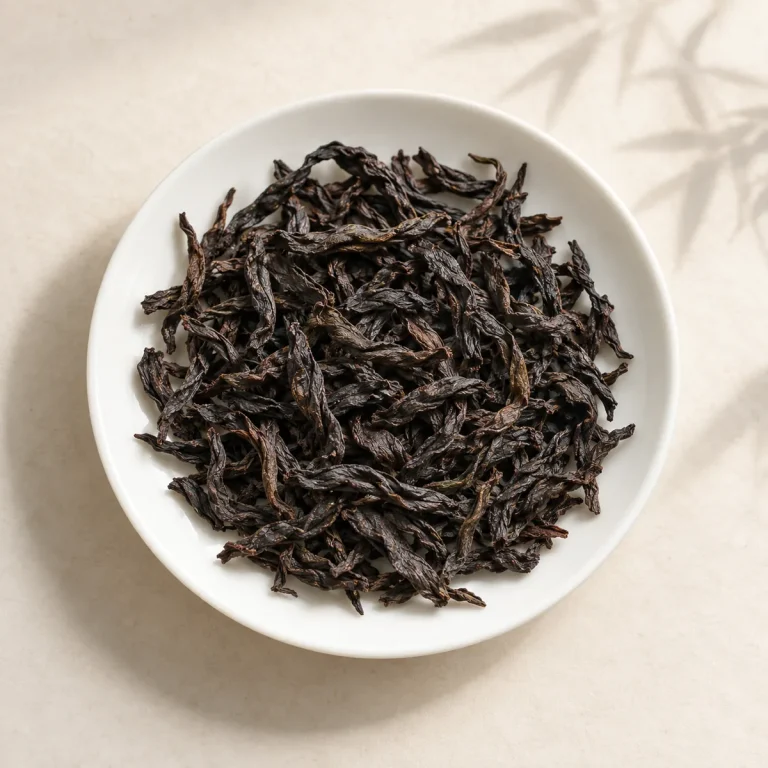
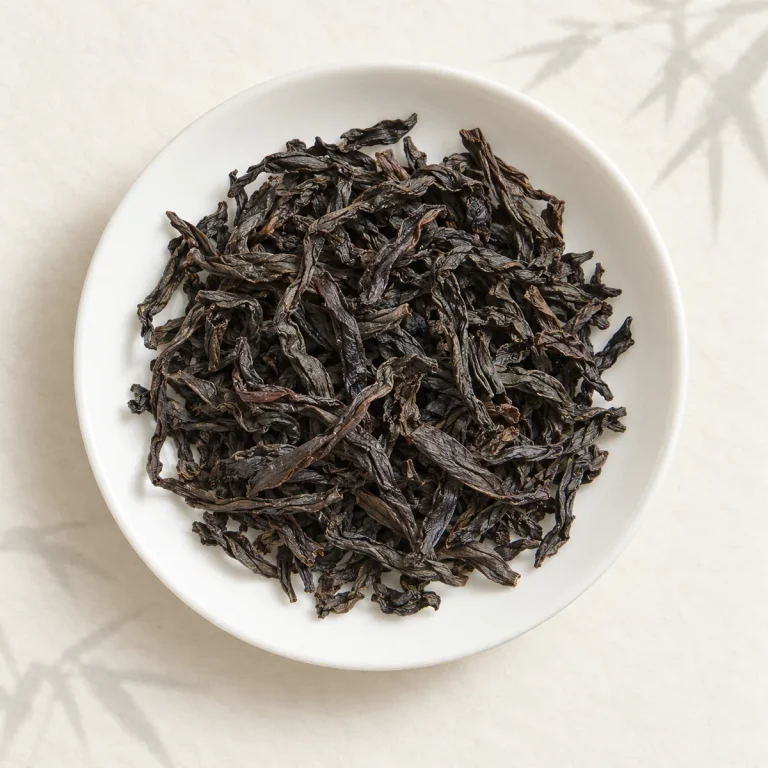
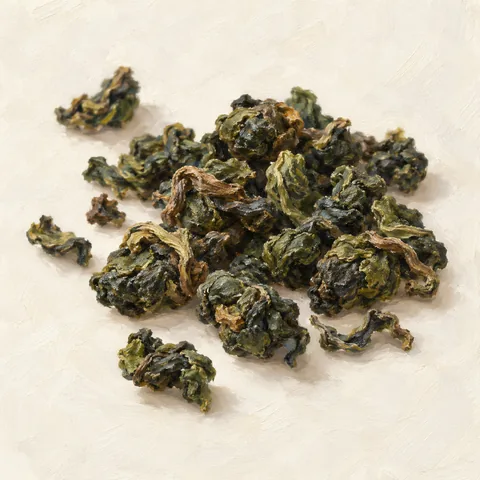
Leaves may be tightly rolled, pellet-like or formed into robust strips. Color can range from green and dark green to brown in more heavily roasted styles.
Liquor Color
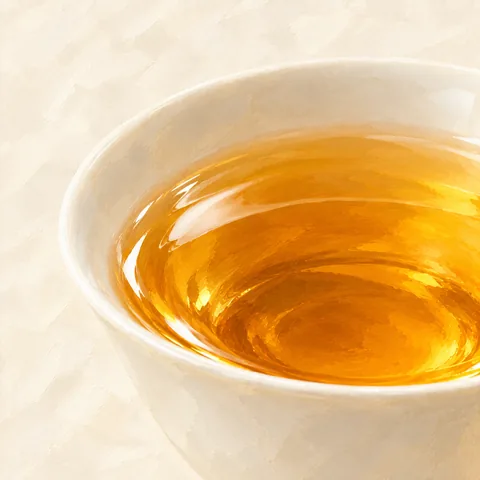
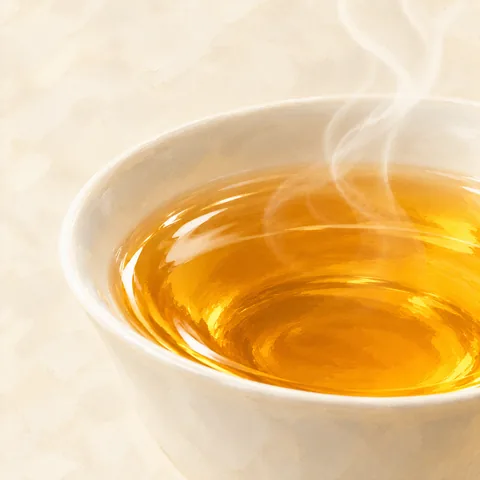
Golden yellow, honey yellow and pale amber are common, while deeper-roasted teas may produce darker, more settled liquor.
Aroma
Orchid, fruit, honey, cultivar-specific, roasted and terroir-related notes can all appear, making oolong one of the six tea categories with especially wide aromatic variation.
Taste
Beyond high fragrance, the liquor often combines body, liveliness and returning sweetness. Different traditions may also show a distinct sense of yun, or lingering resonance.
Infused Leaf
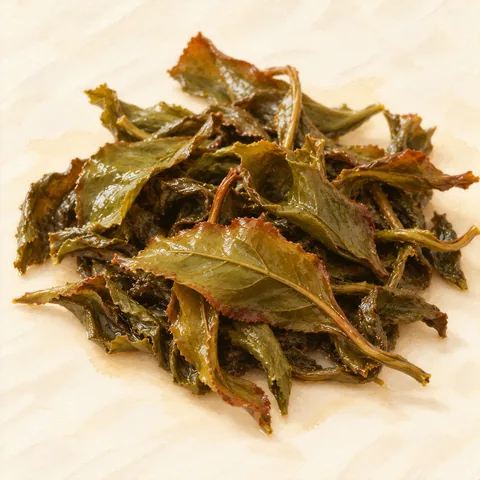
The leaves are often relatively mature, intact and supple. Yellow-green, olive-green and lightly reddened edges from partial oxidation may all be visible.
Sense of Origin
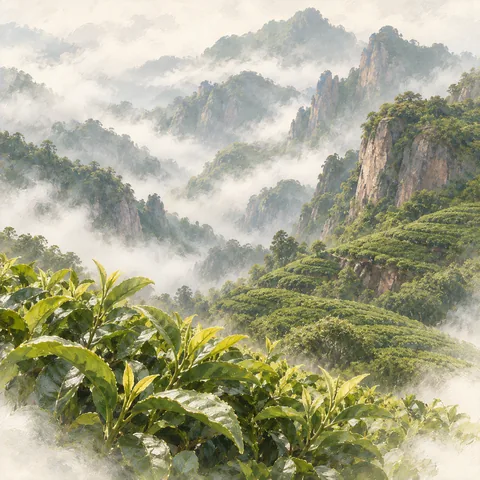
Wuyi’s rocky mountains, Anxi’s hills, the Phoenix Mountains and Taiwan’s highlands give oolong very different expressions of site and cultivar.
Inside the Leaf: Where Flavor Comes From
Partial oxidation and repeated zuoqing create a more complex balance among taste compounds and aroma precursors.
Oolong tea spans an unusually broad processing spectrum. During zuoqing, the leaf repeatedly shifts between movement, bruising, resting and controlled partial oxidation. Catechins undergo partial transformation and aroma precursors react extensively, while fixation, shaping and later heat treatment continue to change the final style.The most useful way to understand oolong is therefore not through a single “highest-content” compound but through combinations shaped by both cultivar and processing. Research repeatedly shows that oolong aroma is strongly influenced by both cultivar and technique, with zuoqing serving as a particularly important stage in aroma formation.
Catechins · Partial Oxidation Products
Oolong retains part of its unoxidized catechins while also developing oxidation and polymerization products to varying degrees. This broad middle ground between green tea and more fully oxidized black tea is closely related to oolong’s astringency, body and liquor structure.
Theanine · Free Amino Acids
Amino acids contribute freshness, softness and sweetness to oolong and work with polyphenols, caffeine and other compounds to shape balance in the liquor. Cultivar and processing intensity can shift the proportions among freshness, mellowness and astringency.
Caffeine
Caffeine remains one contributor to bitterness and stimulation in oolong, but perceived bitterness cannot be explained by caffeine alone. Polyphenols, amino acids, sugars and brewing conditions all change the final sensory result.
Aroma Precursors · Volatile Compounds
Oolong’s complex aroma is a major research focus. Terpenes, amino-acid-derived volatiles, fatty-acid-derived volatiles, carotenoid-derived volatiles and other compounds contribute to floral, fruity, sweet and fresh aromatic directions, and many of them change substantially during zuoqing.
Roasting-Related Thermal Reaction Products
In oolongs that receive noticeable roasting, heat continues to transform existing volatiles while generating new roasted, nutty and caramel-like aromas. Because not all oolongs pursue a pronounced roast, this pathway should be understood as style-specific rather than universal to the entire category.
Zuoqing Builds Aroma: How Oolong Is Made
Withering, zuoqing and heat together shape oolong’s layered aroma and lingering resonance.
01
Withering
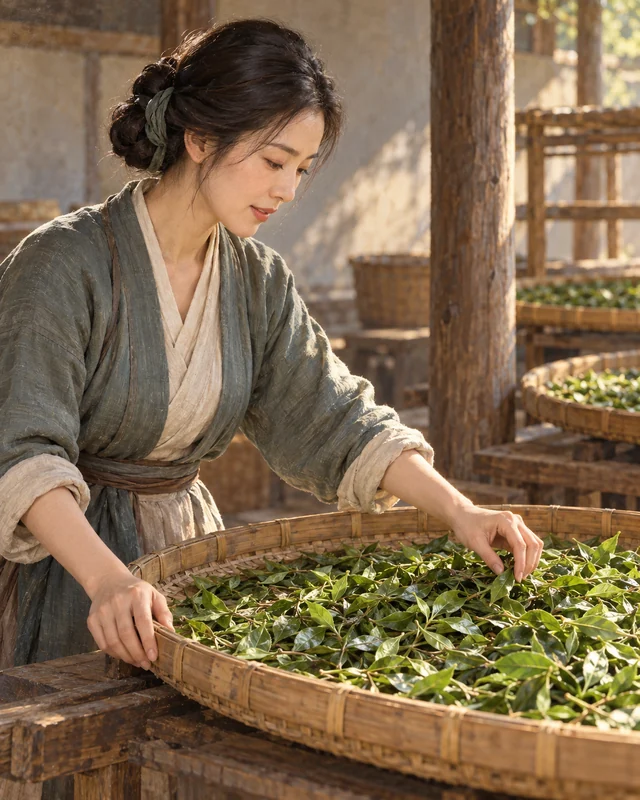
Fresh leaves first lose a controlled amount of moisture through sunlight, indoor resting or other suitable methods. As the leaves soften from their fresh, rigid state, raw green odors begin to recede and internal compounds start to change, preparing the right moisture condition for zuoqing. Different oolong traditions manage sun-withering, cooling and overall withering to different degrees, so aroma development has already begun at this stage.
02
Zuoqing
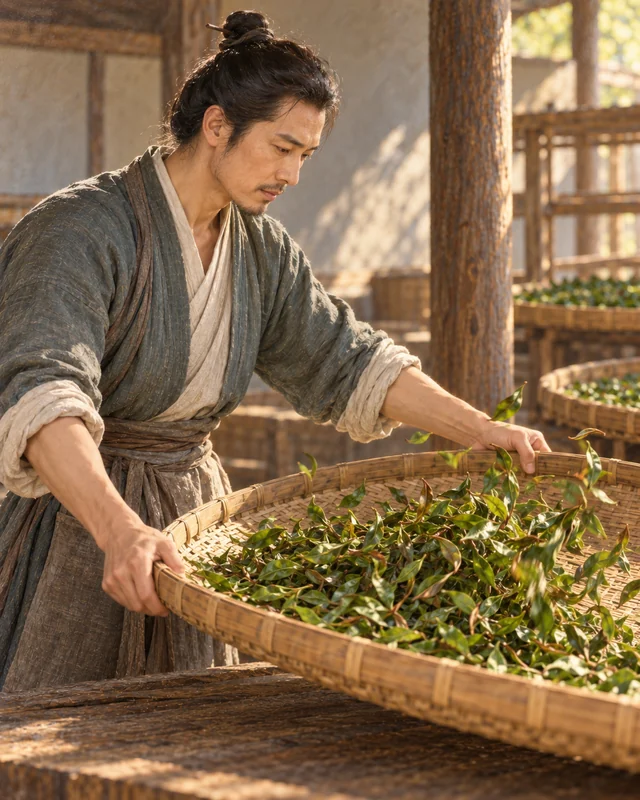
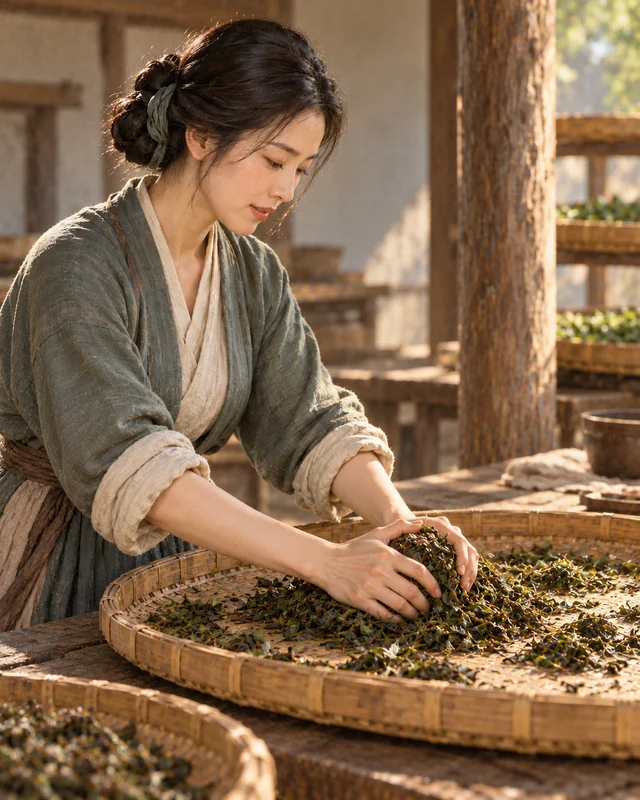
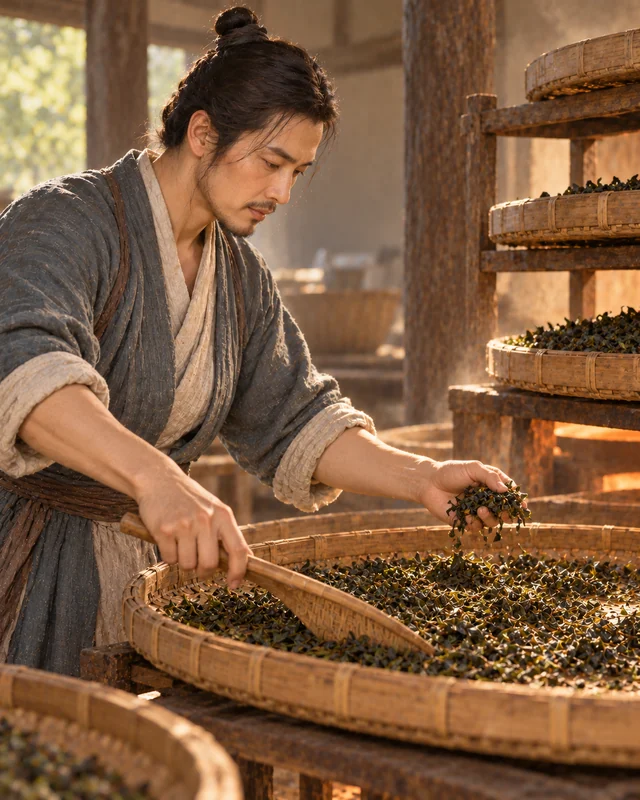
Zuoqing is one of the defining processes behind oolong’s distinctive aroma and taste. The leaves repeatedly alternate between shaking or bruising and resting. Leaf-to-leaf contact, water redistribution and controlled enzymatic oxidation progress together. Across successive cycles of movement and stillness, raw green notes recede and more complex floral and fruity aromas begin to emerge.
03
Fixation
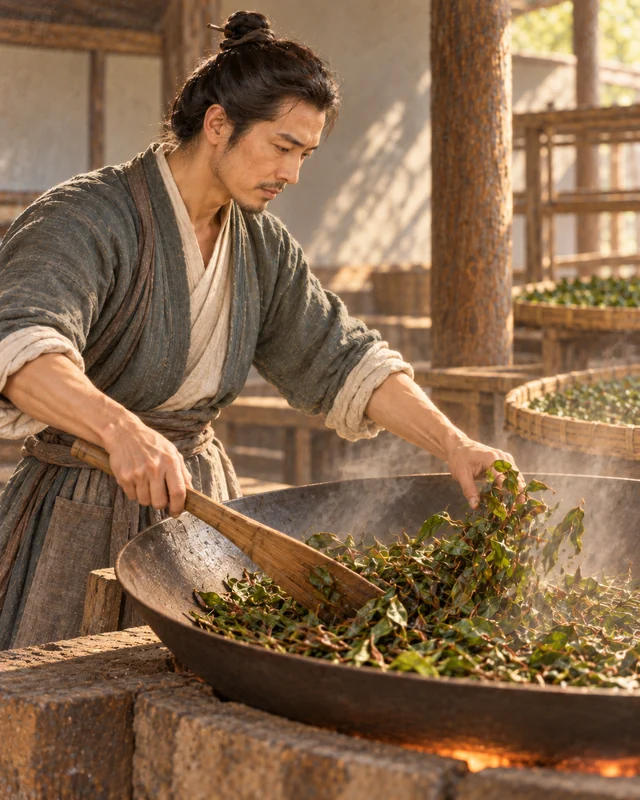
When zuoqing reaches the intended point, the leaves are heated rapidly to suppress further enzymatic oxidation and stabilize the state already created. Heat also softens the leaf further in preparation for rolling. Differences in timing, temperature and degree of fixation can continue to influence final aroma, mouthfeel and infused-leaf appearance.
04
Rolling & Shaping
After fixation, rolling, cloth-wrapping or other shaping methods release some tea juice and gradually form the finished leaf style. Traditions differ greatly: some preserve long, robust strips, while others produce tightly curled leaves. This is why Wuyi Rock Tea, Tieguanyin and Phoenix Dancong can look completely different even though all are oolongs.
05
Drying
Finally, drying lowers moisture to a level suitable for storage and helps stabilize the aroma and taste already formed. Some oolongs are later roasted, re-roasted or rested to adjust aroma and mouthfeel further; other styles deliberately keep the roast light. Heavy roasting should therefore not be treated as a universal oolong characteristic.
Withering, zuoqing, fixation, rolling or shaping, and drying form oolong’s shared process backbone. Wuyi Rock Tea, southern Fujian oolong, Phoenix Dancong and Taiwan oolong each make different choices in degree of zuoqing, shaping and later roasting, which is a major reason oolong offers such a wide range of aromas and tastes.
Different Terroirs, Different Oolong Origins
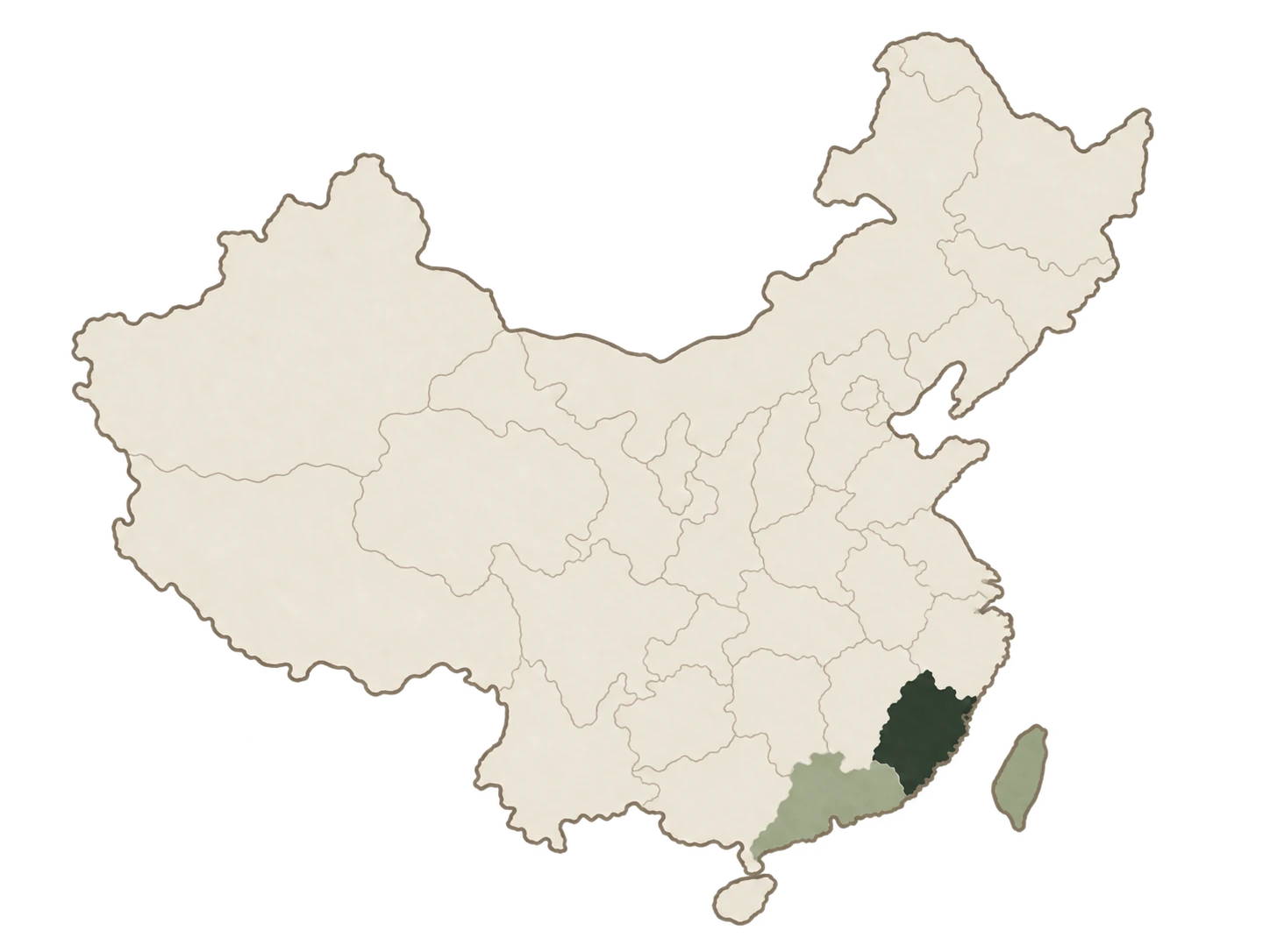
Fujian, Guangdong and Taiwan, China form oolong’s clearest regional map, where cultivar, terroir and zuoqing traditions intersect.
Core Regions
Major Regions
Oolong is geographically more concentrated than green tea but exceptionally complex within its core regions. Fujian forms the largest traditional center, while Phoenix Dancong in Guangdong and multiple Taiwan oolong traditions have developed their own cultivar, zuoqing and terroir languages. The map is an editorial province-level overview.
Core Regions
01Fujian
The densest core of oolong tradition
Representative teas:Wuyi Rock Tea · Anxi Tieguanyin · Wuyi Rougui · Da Hong Pao · Zhangping Shuixian
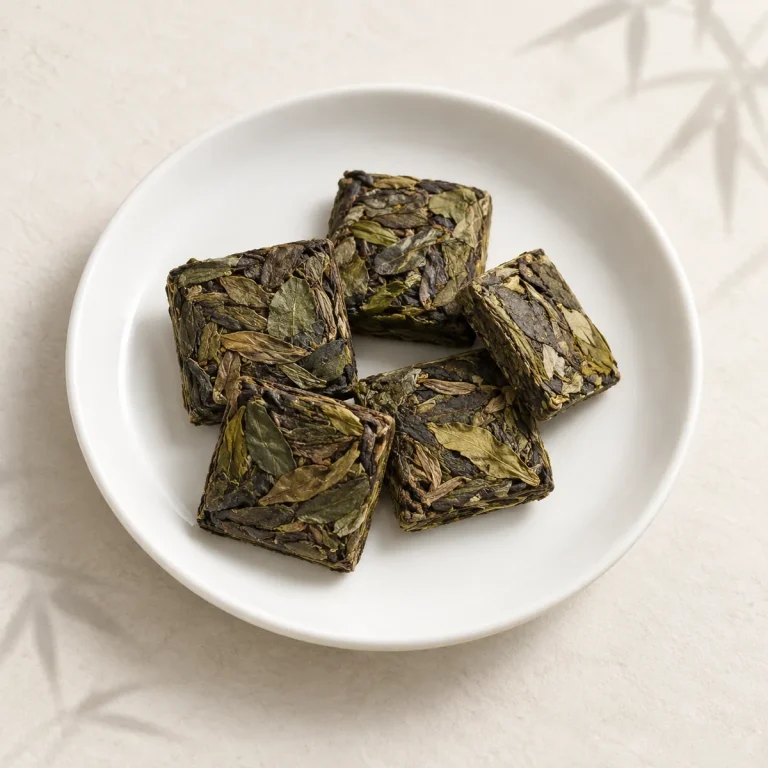
Fujian contains several very different oolong systems: Wuyi develops Rock Tea, Anxi and southern Fujian develop Tieguanyin and related southern Fujian oolongs, while Zhangping preserves distinctive compressed Shuixian forms. Cultivar, terroir, zuoqing and roasting create enormous internal diversity.
Major Regions
02Guangdong
Phoenix Mountain and the world of Dancong aromas
Representative teas:Phoenix Dancong · Mi Lan Xiang Dancong
The Phoenix Mountains around Chaozhou developed a rich Dancong aroma system from Phoenix Shuixian populations and single-plant selection. Terroir, lineage and degree of zuoqing give Guangdong oolong an expression distinct from both northern and southern Fujian.
03Taiwan, China
High mountains and varied oxidation create another oolong spectrum
Different elevations and regions developed Baozhong, high-mountain oolong, Dong Ding and Oriental Beauty. Styles range widely from lightly oxidized, clean and floral teas to more oxidized, honeyed expressions.
Balanced Water and Heat, a Better Cup
Give oolong enough heat and decant promptly, letting aroma, terroir and roasting unfold infusion by infusion.
01Water
Clean and odor-free; soft or low- to medium-mineral water is a reliable choice.
Oolong often has intricate aromatic layers. Highly mineralized water can mute those aromas and change the liquor’s delicacy and returning sweetness.
02Teaware
White porcelain gaiwan is the most versatile; Yixing clay or a small pot can suit particular teas.
A gaiwan is especially useful for comparing aromatic styles and roasting levels. Strip-shaped, rolled and compressed oolongs all need enough room for the leaves to open.
03Tea-to-Water Ratio
For gongfu brewing, start around 1:15–1:20.
Oolong is often brewed more strongly than green or black tea, using a smaller vessel and short steeps for multiple infusions. Exact ratios should still be adjusted to strip-shaped, rolled or compressed leaf forms.
04Water Temperature
Many oolongs suit higher temperatures; about 95–100°C is a common starting point.
But not every oolong follows this rule. Oriental Beauty is a clear exception: this site’s data suggests a more suitable range of roughly 80–90°C.
05Steeping
Use a relatively high leaf amount with quick decanting; start the first infusion around the low tens of seconds.
Rolled teas need time to open, strip-shaped rock teas release more quickly, and compressed Zhangping Shui Xian has its own rhythm. The key is not to obey one exact second count but to avoid long steeping when using a high leaf dose.
06Reinfusion
Extend each infusion slightly and let the layers unfold in sequence.
Oolong often rewards many consecutive infusions: the early rounds emphasize aroma, the middle rounds reveal body and returning sweetness, and the later rounds show leaf opening and lingering finish.
Oolong has some of the widest internal variation among the six tea categories. Rolled, strip-shaped and compressed forms, degree of zuoqing and roast level all change the brewing rhythm, so exact parameters should follow each tea’s detail page.
Tea Conversations
Tea lovers from around the world meet over a cup of tea.
Sign in or register to join the conversation. Your comment account is created automatically the first time you use a connected account.
No comments yet
Share your thoughts with readers around the world.





Tea Conversations
Tea lovers from around the world meet over a cup of tea.
Sign in or register to join the conversation. Your comment account is created automatically the first time you use a connected account.
No comments yet
Share your thoughts with readers around the world.