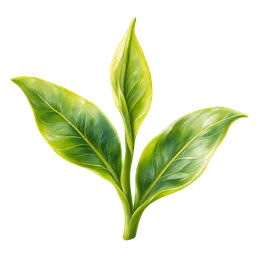
Minimal intervention preserves natural form
White tea centers on withering and drying and generally uses little intensive rolling or shaping. Buds, leaves and fine white hairs therefore retain more of their original physical character.
White tea centers on withering and drying, with relatively little forced shaping, allowing the state of the buds and leaves, cultivar and environment to leave a more direct trace. From Silver Needle to White Peony, Gongmei, Shoumei and Jianyang local white teas, downy aroma, floral notes and gentle sweetness appear in different layers.
Less rolling and shaping allow the buds and leaves, together with slow moisture loss, to form white tea’s restrained elegance.
White tea may appear simple in process, but its internal variation is substantial. Fresh leaves lose moisture mainly through withering and drying. They are not rapidly fixed at high heat in the manner of green tea, nor do they rely on strong rolling as black tea does, so the natural form of buds, leaves and fine white hairs is more fully retained. At the same time, leaf tenderness, cultivar, withering environment and drying method give Silver Needle, White Peony, Gongmei, Shoumei and local white-tea cultivars distinct forms, aromas and textures in the cup.
White tea centers on withering and drying and generally uses little intensive rolling or shaping. Buds, leaves and fine white hairs therefore retain more of their original physical character.
Different plucking standards create distinct products. Bud-heavy material, bud-and-leaf sets and more mature leaves vary noticeably in appearance, aroma, mouthfeel and infusion endurance.
White tea is not made from one single raw material. Da Bai cultivars, local population varieties, Cai Cha and Shui Xian all have their own bud-and-leaf structure and cultivar character, so Jianyang Xiaobai and Shui Xian white tea should not be forced into one generic narrative.
Under suitable storage conditions, white tea continues to change slowly. Aroma and taste may move from fresh and light toward calmer, more mature expressions. That process still depends on raw material, processing and storage and should not be reduced to “older is always better.”
Begin with well-known teas to see how white tea changes in form, aroma, taste and terroir.
Downy aroma, floral notes and gentle sweetness emerge gradually from natural leaf form and slow moisture loss.
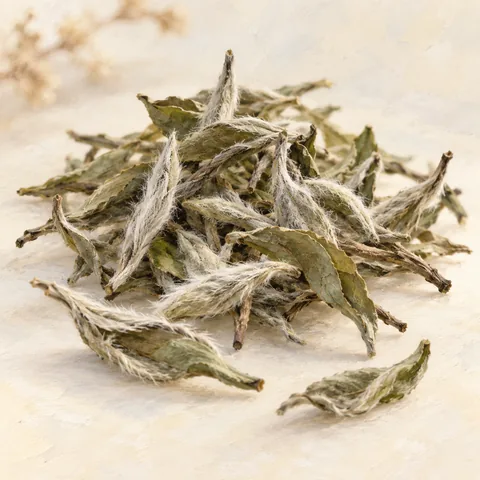
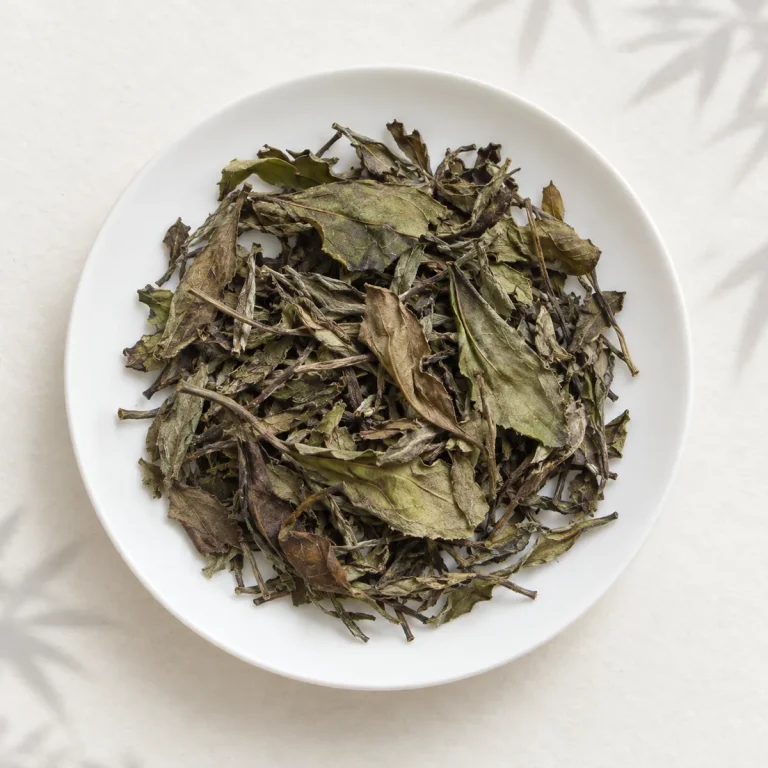
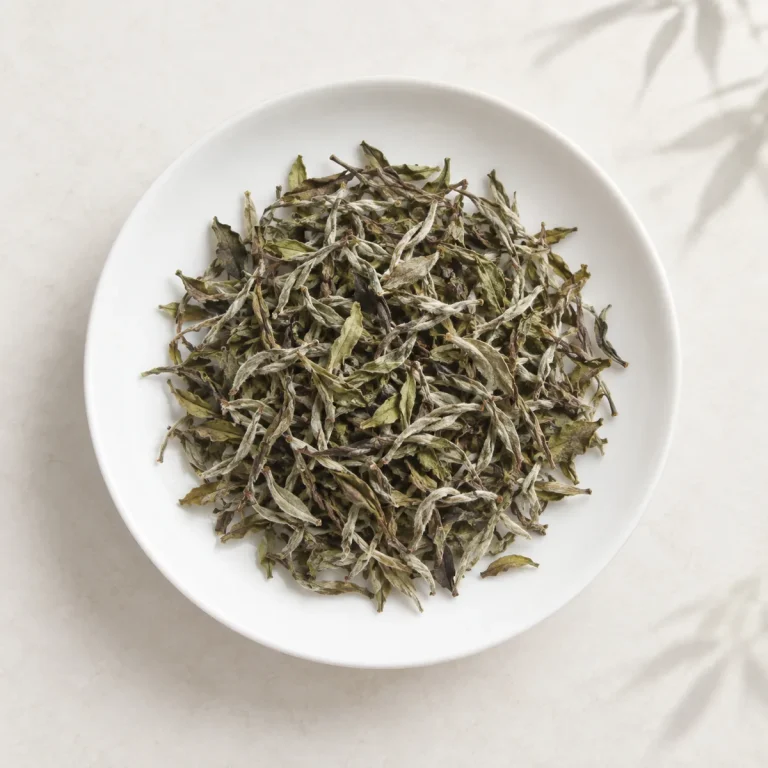
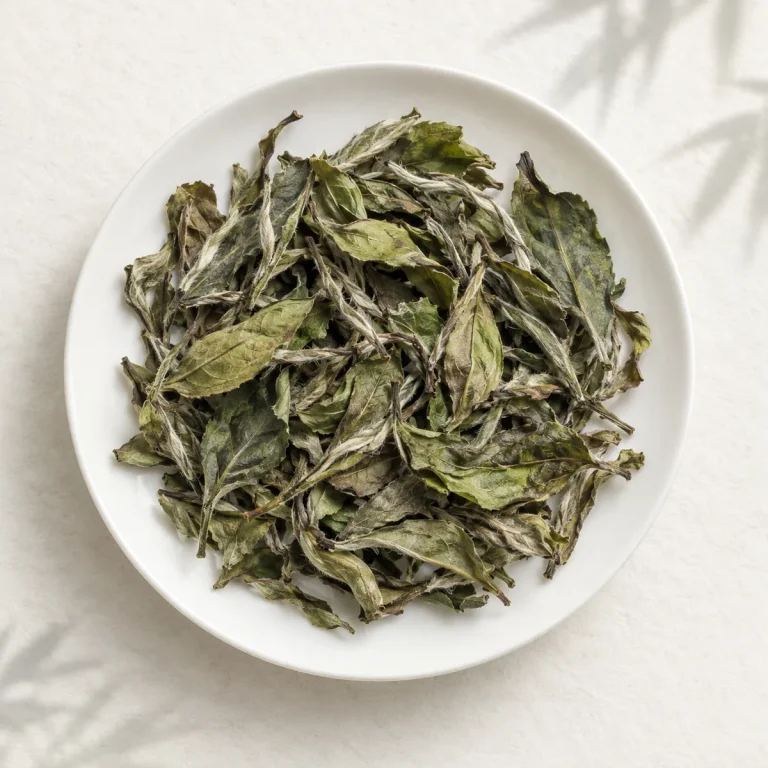
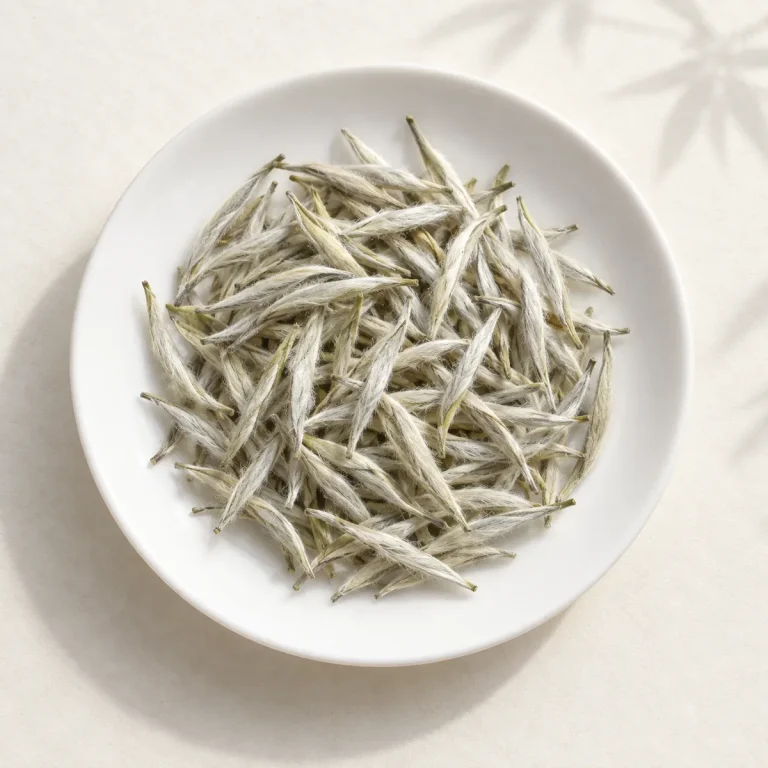
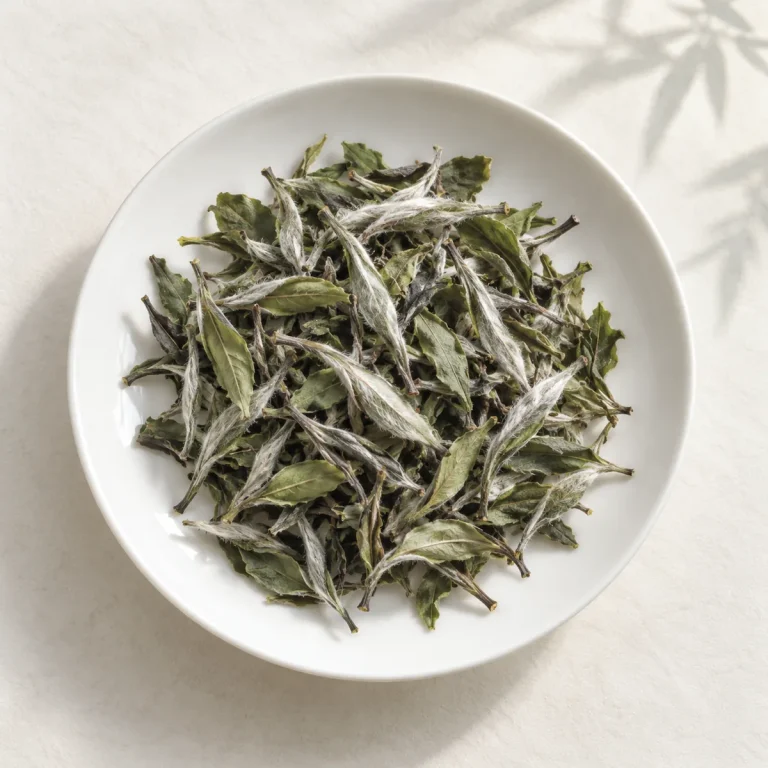
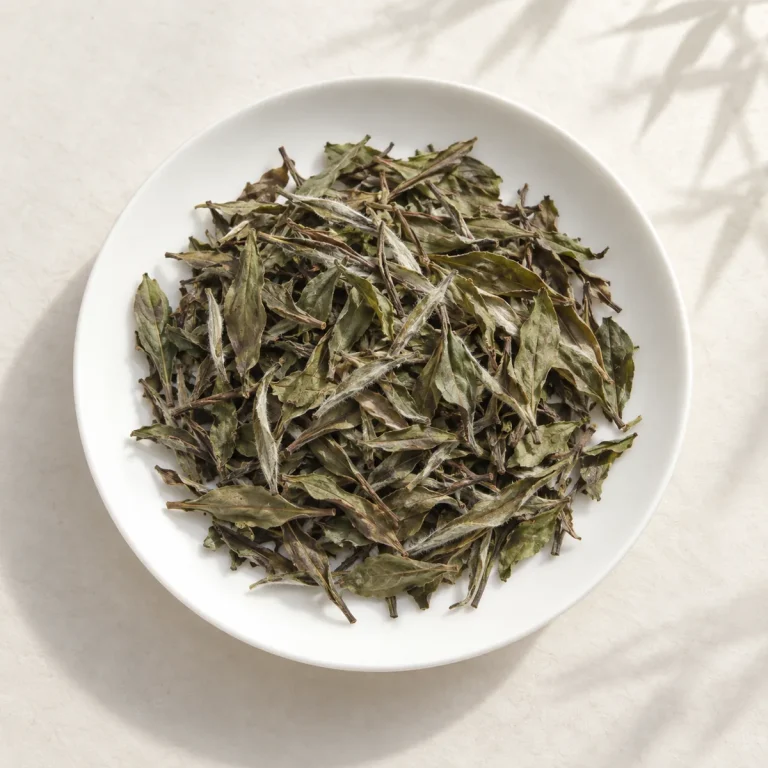
Silvery buds, gray-green bud-and-leaf sets and more mature leaves can all appear. The overall look remains relatively natural and open, with little forceful shaping.
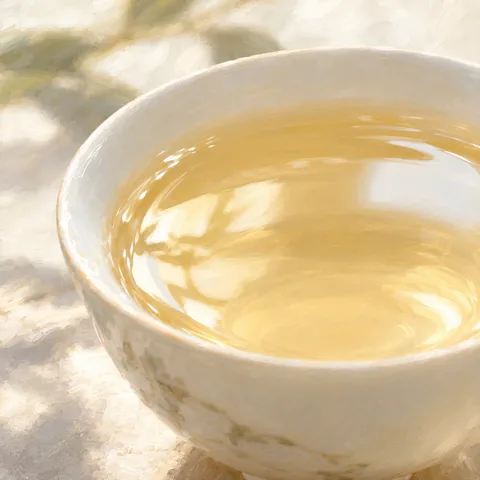
New white tea often shows pale apricot, light golden or straw-yellow tones, clear and soft, gradually changing with raw material and age.
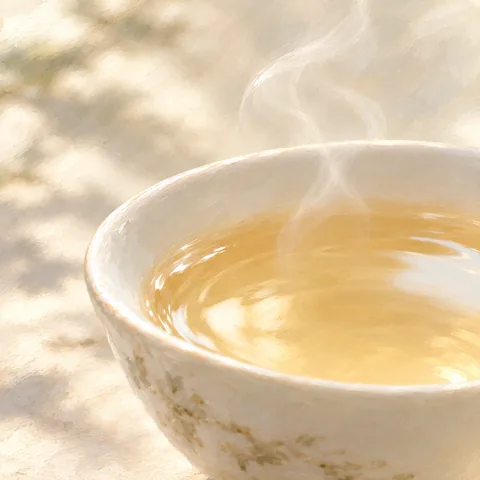
Downy bud aroma, floral notes, gentle sweetness and fresh plant tones are common; suitable storage may gradually bring more mature aromas.
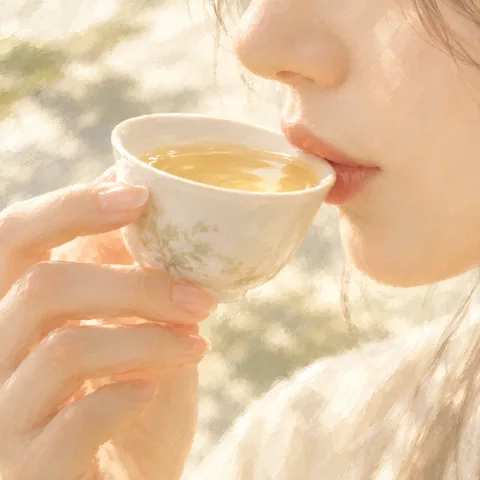
Usually clean, soft and lightly sweet. More tender material often feels finer, while more mature leaves can bring greater body.
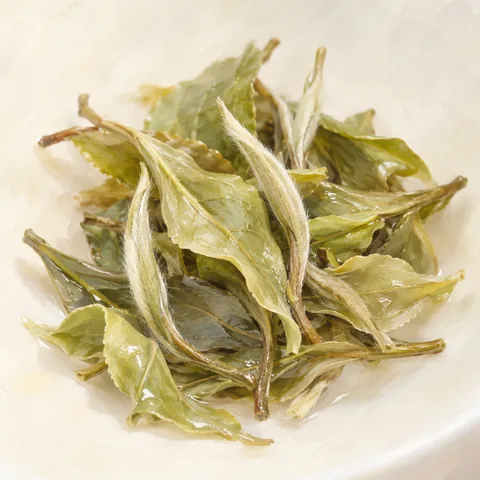
After brewing, buds and leaves open naturally in pale green, yellow-green and gray-green tones, making integrity and raw-material grade relatively easy to see.
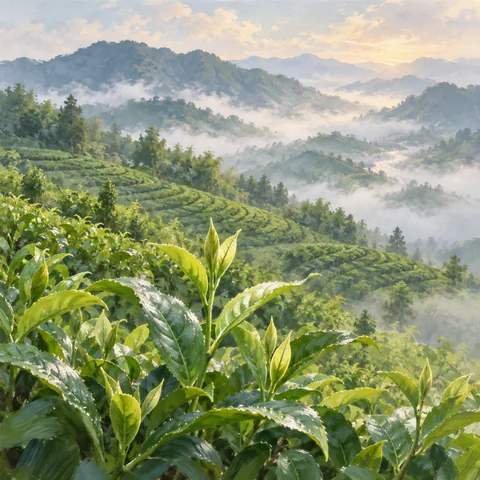
The humid mountain climate of southeastern Fujian, tea cultivars and different withering environments together shape white tea’s restrained yet layered style.
Minimal processing does not mean minimal change: slow withering continues to reshape taste and aroma inside the buds and leaves.
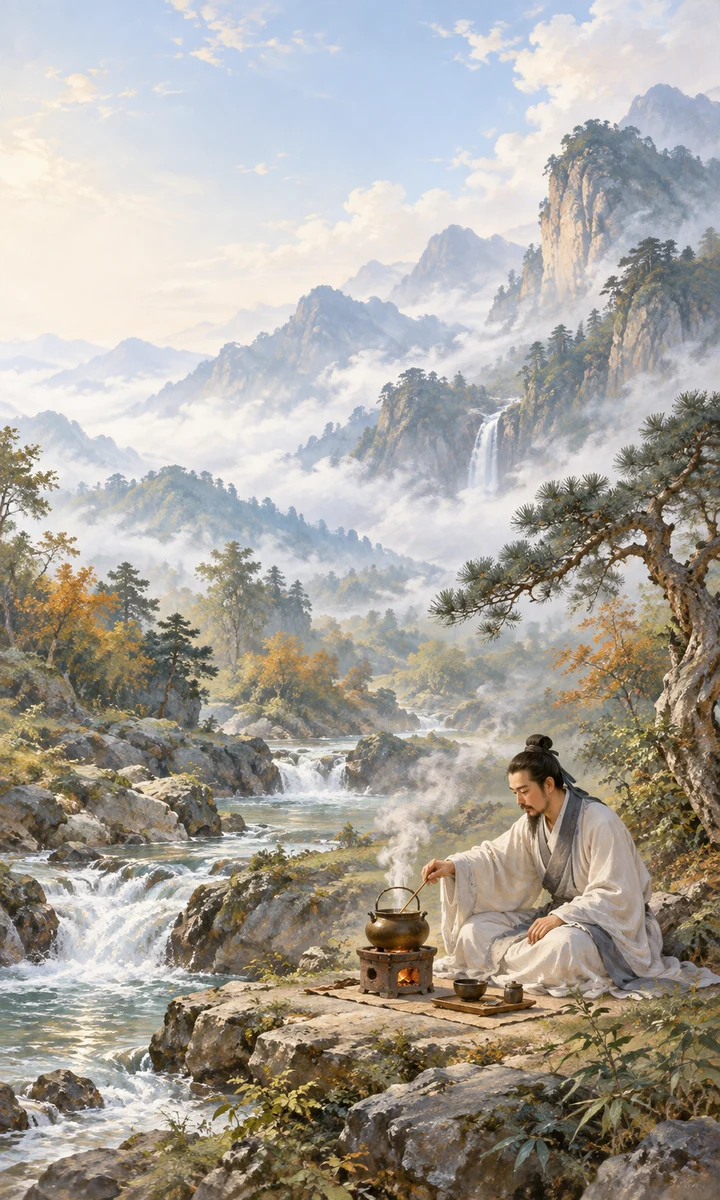
White tea is made mainly through withering and drying. Although processing intervention is relatively light, withering itself is a continuous biochemical process. Catechins, polyphenols, free amino acids, caffeine, flavonoids and volatile compounds all change as moisture is lost and enzymatic reactions continue.The aroma system is especially dynamic during withering. White tea’s downy aroma, floral notes and gentle sweetness should therefore not be understood as fresh-leaf flavor simply preserved unchanged; retention and transformation happen at the same time.
White tea still contains abundant tea polyphenols and catechins, but withering does not mean oxidation stops completely. As cellular conditions change, some catechins are transformed, so the polyphenol system both retains characteristics of the fresh leaf and records changes produced during withering.
Free amino acids contribute to white tea’s freshness, softness and gentle sweetness. They continue to change during withering and drying and also participate in the formation of some aroma precursors. Raw-leaf tenderness and withering method can both alter the final amino-acid profile.
Caffeine occurs naturally in white-tea raw material and contributes to bitterness and stimulation. White tea should not be assumed to be low in caffeine simply because its processing is minimal; actual levels vary with cultivar, bud-and-leaf tenderness, harvest and processing.
Withering is one of the key stages in white-tea aroma formation. Declining moisture, changing enzyme activity and transformation of aroma precursors continually reshape alcohols, aldehydes, ketones, terpenes and other volatiles, producing fresh, floral, fruity and delicately layered aromas.
Beyond catechins, flavonoids and flavonol glycosides are important phenolic components in white-tea research. They contribute to astringency, liquor structure and processing-related change and can vary with raw material and degree of withering, making them another useful clue to the complexity hidden within white tea’s seemingly simple craft.
Withering and drying let the buds and leaves develop their quiet style through gradual moisture loss.
01
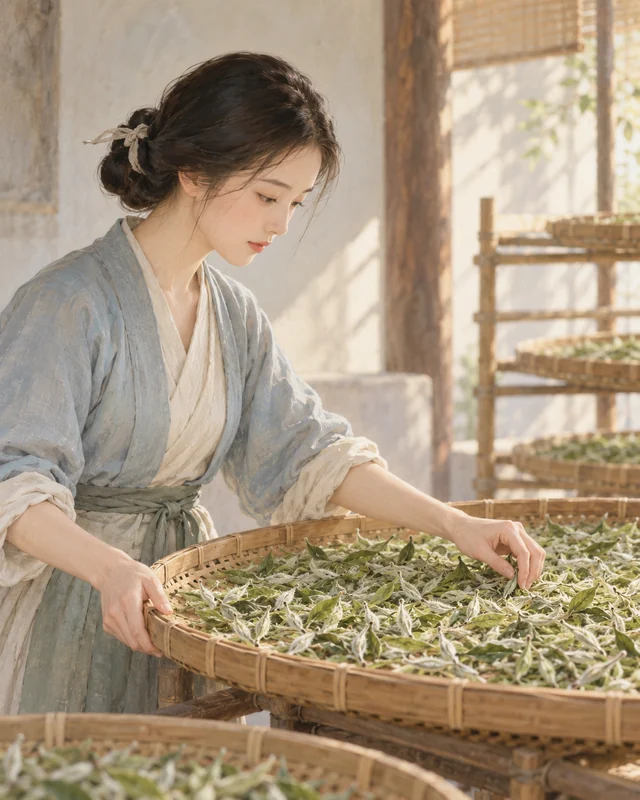
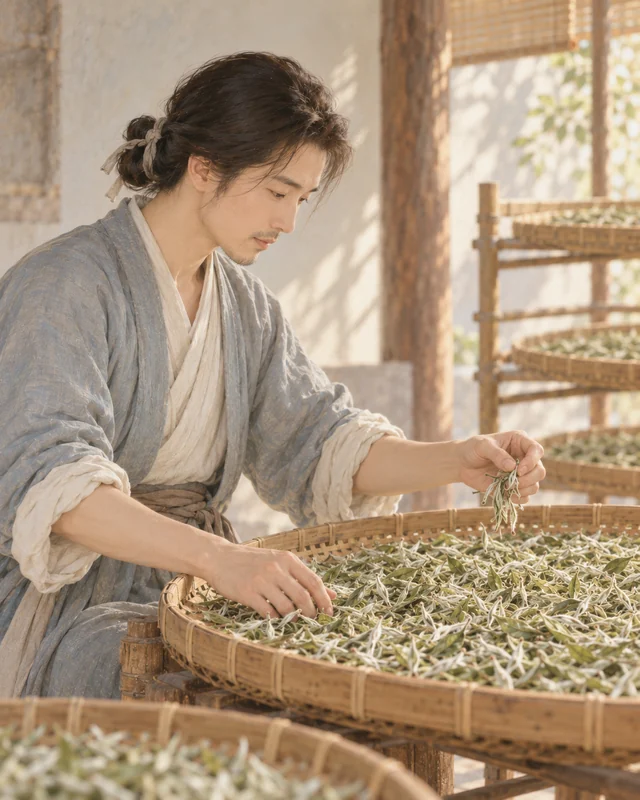
After plucking, the most important early changes in white tea take place during withering. Buds and leaves are spread evenly and slowly lose moisture under suitable temperature, humidity and airflow. Over time the leaf softens, while color, aroma and taste continue to change.
Compared with green tea, white tea’s basic process does not rely on rapid high-heat fixation to stop change. Compared with black tea, it also does not depend on strong rolling that extensively disrupts the leaf. More of the original shape of buds, leaves and fine white hairs is therefore retained. Withering may look quiet, but it demands careful judgment of leaf condition, weather, airflow and time.
02
Once withering reaches the desired point, suitable drying reduces moisture further so the tea can be stored stably while helping the color, aroma and taste already formed settle into a more stable state. Equipment, temperature and pacing vary with origin, raw material and product tradition.
White tea’s process may look simpler than that of many other teas, but it is not easy. Precisely because there is little intense rolling or elaborate shaping, the evenness of withering and the degree of drying show up directly in bud-and-leaf form, downy aroma, floral fragrance, gentle sweetness and final mouthfeel.
Withering and drying form the core process backbone of white tea. Different origins, cultivars, leaf tenderness and local traditions add their own details, but reducing forceful shaping and preserving more of the leaf’s natural state is an important starting point for understanding how white tea is made.
With Fujian as its traditional core, white tea continues to expand through new regions and raw-material systems.
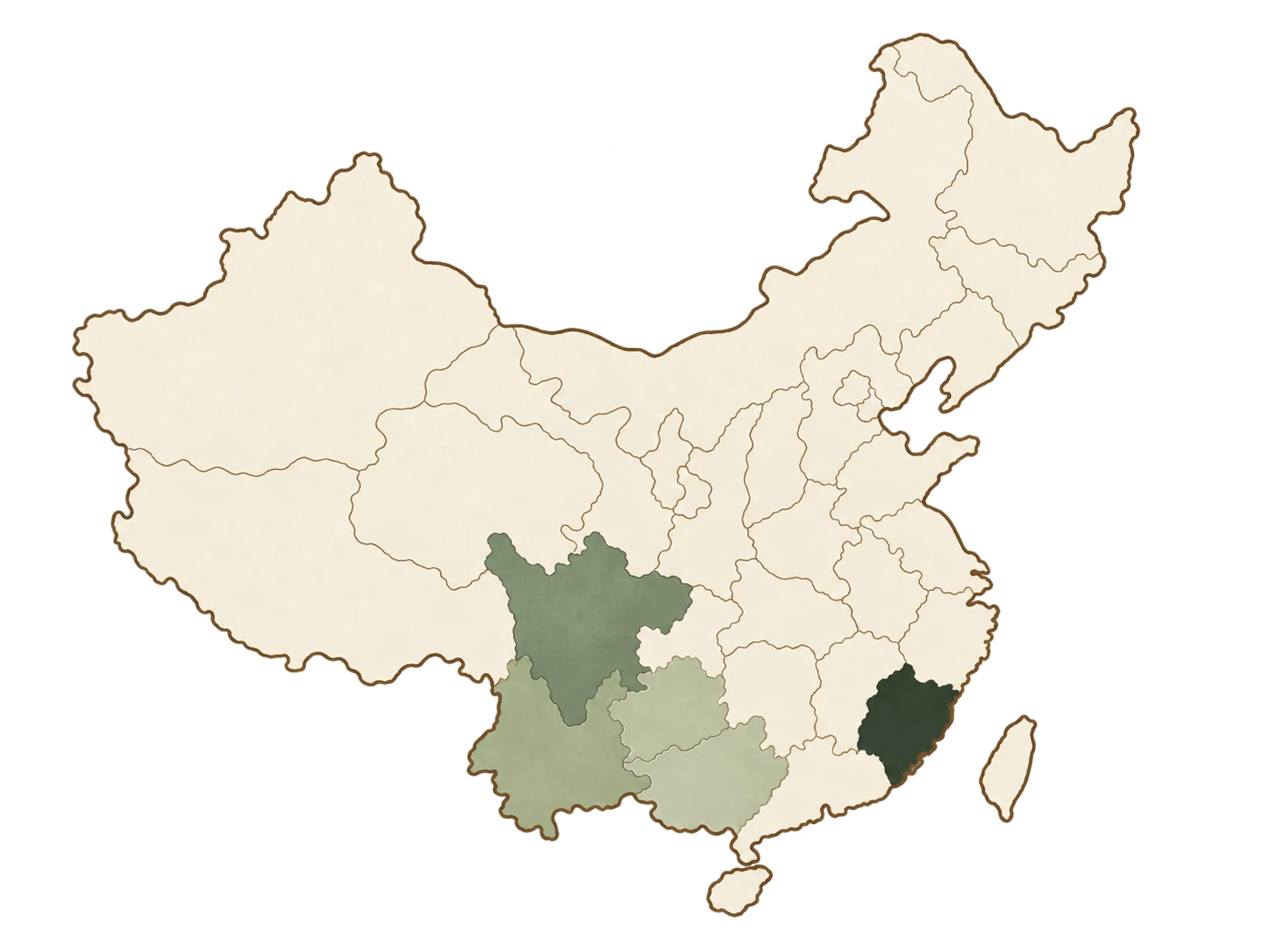
White tea remains highly concentrated geographically: Fujian is the traditional core, Yunnan provides an important large-leaf highland route, and Guangxi and Guizhou represent newer extensions. The map is an editorial province-level overview.
The traditional heartland of white tea
Representative teas:Fuding White Tea · Zhenghe White Tea · Jianyang Small White Tea · Shuixian White Tea
Fuding, Zhenghe, Songxi and Jianyang together form the most important traditional white-tea region in China. Differences in cultivar, bud-and-leaf standard, withering environment and local technique create several distinct white-tea paths even within Fujian.
A highland route for large-leaf white tea
Representative teas:Yueguangbai · Yunnan Large-Leaf White Tea
Yunnan combines large-leaf tea resources and highland mountain conditions with the withering-and-drying logic of white tea, producing larger leaves and a distinctive aromatic and textural expression shaped by highland raw material.
Local tea resources extended into white-tea processing
Selected Guangxi tea areas use local cultivars and existing tea gardens to develop white teas outside the traditional Fujian system.
Representative teas:Lingyun Baihao Tea · white-tea process
White-tea processing experiments in highland tea areas
Some Guizhou tea areas now use white-tea withering and drying methods for local products, though the region remains a relatively recent extension of the national white-tea map.
Brew tender buds more gently and give mature leaves more heat, allowing downy aroma, flowers and sweetness to each find their place.
Clean and odor-free; softer water helps reveal gentle sweetness.
White tea often has relatively soft aroma and mouthfeel, and highly mineralized water can mask downy, floral and fine sweet notes.
Glass and white porcelain gaiwan both work well; mature white tea can also suit a teapot.
Silver Needle and White Peony can be appreciated in glass or white porcelain to observe the buds and leaves. Gongmei, Shoumei and more mature material may suit a gaiwan or pot for a fuller liquor.
For daily brewing, adjust roughly within 1:30–1:50.
Use a lighter ratio for tender buds or longer cup infusions. More mature leaf material and quick gaiwan brewing can take a somewhat higher leaf dose.
The more tender the leaf, the gentler the water; mature material can take more heat.
Silver Needle and tender White Peony can be tried around 85–90°C. Mature Gongmei, Shoumei or teas brewed for more body can move toward 90–95°C or higher.
Keep gaiwan infusions short; cup brewing can be longer.
Dense bud hairs, leaf maturity and whether the tea is compressed all affect water absorption and flavor release. Keep the first infusion from becoming too strong, then adjust by taste.
Extend new-tea infusions gradually; mature leaf material may later move to a pot or gentle simmer.
Not every white tea is suitable for boiling. Simmering is better suited to mature leaves or appropriately stored tea, while delicate new tea usually shows its fresh and downy character more clearly through infusion.
White tea ranges from single-bud Silver Needle to mature-leaf Shoumei, so there is no one fixed parameter set that suits the entire category. These guidelines use raw-leaf tenderness as the first variable for adjusting temperature and strength.














Tea Conversations
Tea lovers from around the world meet over a cup of tea.
Sign in or register to join the conversation. Your comment account is created automatically the first time you use a connected account.
No comments yet
Share your thoughts with readers around the world.