Skip to content
Tea & Realm
English

Mongolian Salted Milk Tea

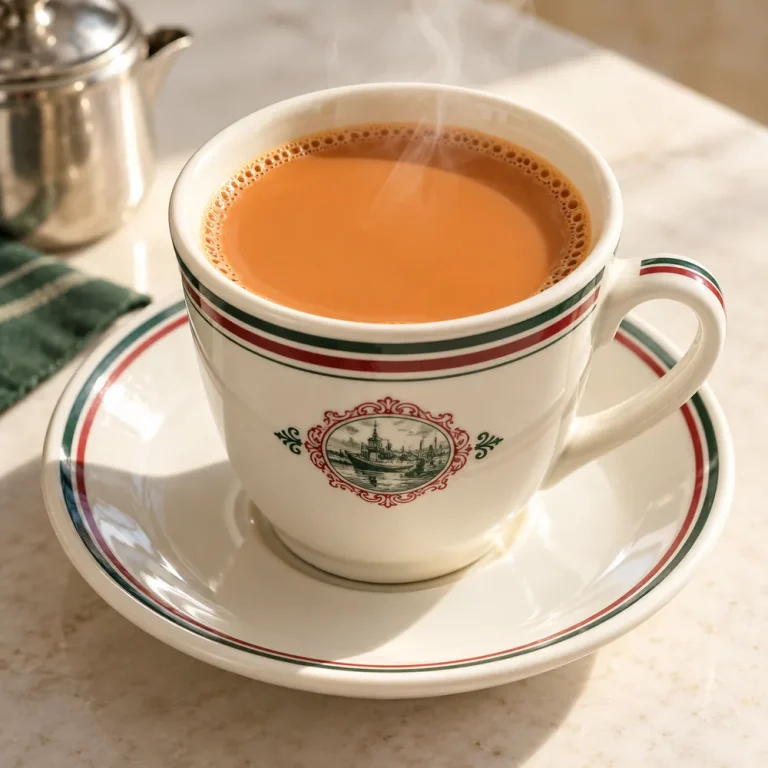
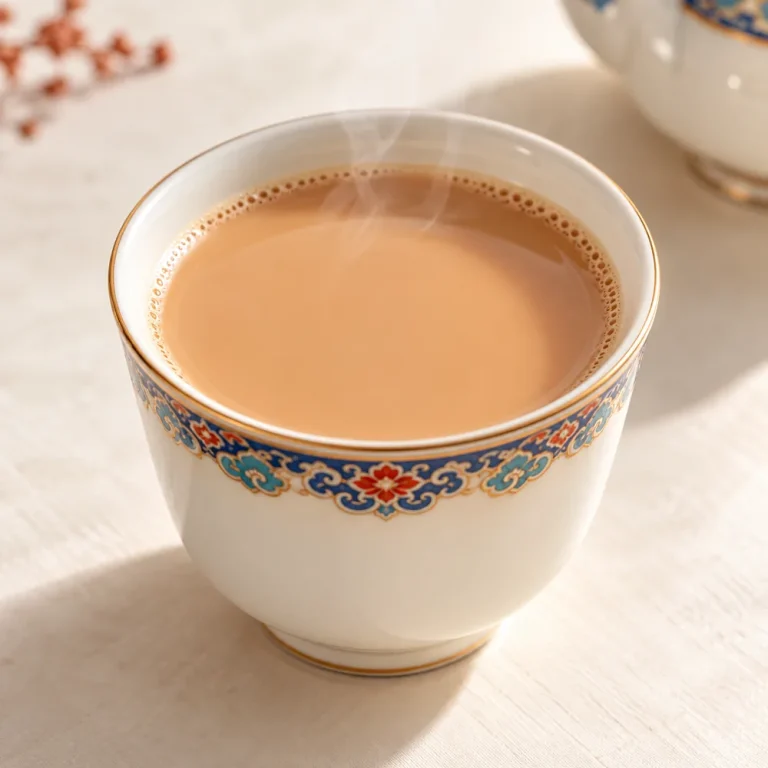
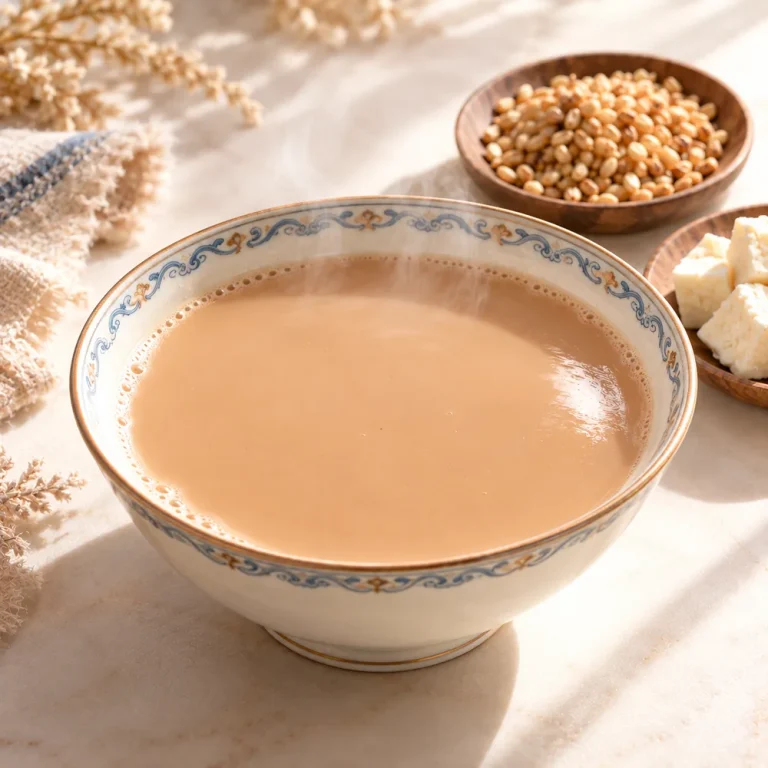
Brick tea into the pot, fresh milk lifted to a boil—a bowl of savory tea for the grassland morning.

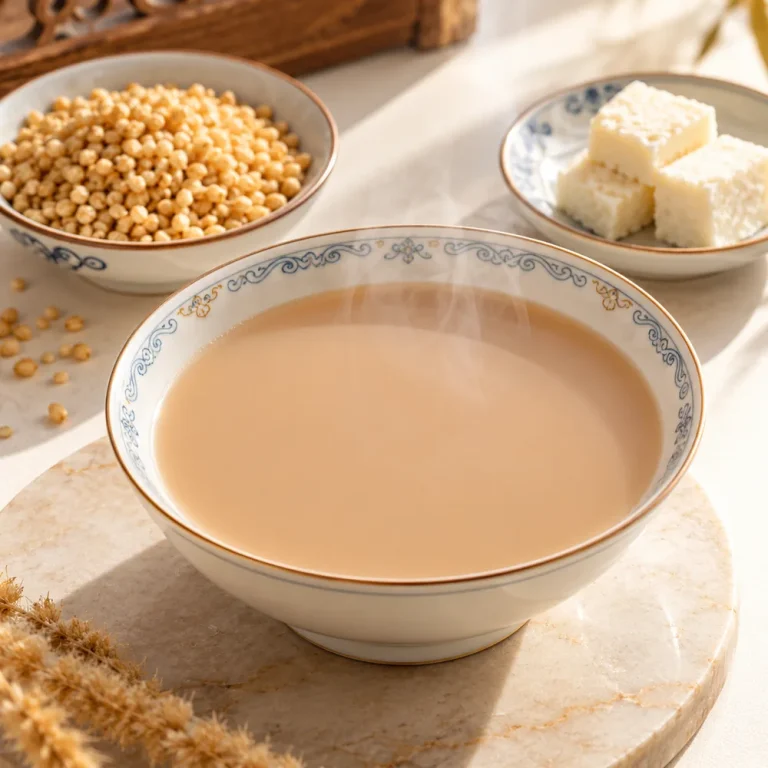
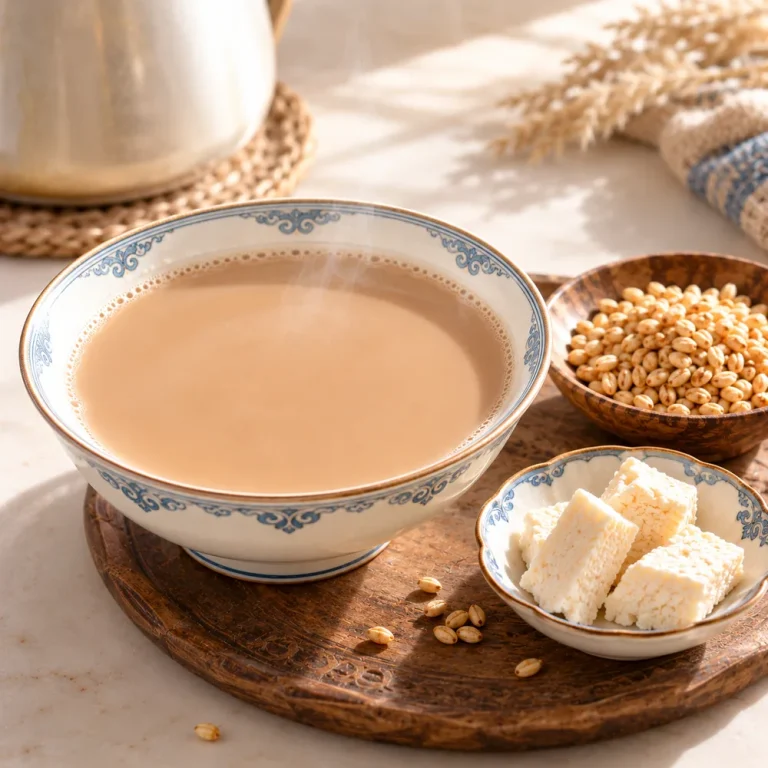
A traditional Mongolian savory Milk tea made by simmering brick tea or Other compressed tea into a strong liquor, then adding fresh Milk and a small amount of salt. Elaborate or regional versions may be served with fried millet, butter, Milk skin, Milk tofu and Other foods.

Category
Tea Drinks · Traditional savory milk tea
Tea ingredient
Brick tea, traditionally common; the current Mongolian milk-tea standard normatively references Qingzhuan Tea
Tea form
Tea liquor

Tea in the Dish

Brick tea supplies a strong tea aroma and flavor, fresh Milk adds dairy fragrance and roundness, and salt creates the savory profile that distinguishes traditional Mongolian Milk tea from modern sweet Milk tea.

Tea ingredient
Brick tea, traditionally common; the current Mongolian Milk-tea standard normatively references Qingzhuan Tea
Tea form
Tea liquor
Role of tea
Liquid base · Main flavor
How the tea is used
Crush the brick tea and simmer it in water until color and aroma extract fully. Strain out stems or use a tea bag if desired, then add fresh Milk and a small amount of salt and continue heating until the tea and dairy integrate. Hospitality versions may include repeated ladling and aerating or repeated lifts to the boil.

Flavor & Texture

The traditional style centers on the strong aroma of brick tea and the fragrance of fresh Milk, with salt clearly present but usually restrained. The drink is warm, rounded and lightly savory; fried millet or dairy foods add further grain and butter richness when served alongside.

Aroma
Brick-tea aroma · Milky aroma
Taste
Savory-salty · Strong tea flavor · Milky
Texture
Warm · Smooth

Origin & Culture

Origin & Story

Mongolian Salted Milk Tea is an important part of traditional Mongolian food and tea customs and has long functioned as an everyday morning drink, hospitality beverage and ceremonial food in Inner Mongolian pastoral communities. In 2018, “Mongolian Tea-Drinking Customs” entered Inner Mongolia's sixth autonomous-region intangible-cultural-heritage list, with Milk tea—Mongolian tea or Suutei Tsai—at the center of the project narrative. Existing sources strongly establish its traditional status but do not support one inventor or exact invention year.
Historical Development

Inner Mongolia intangible-cultural-heritage materials describe Milk tea as Mongolian tea, commonly called “Suutei Tsai” in Mongolian, and record it as part of everyday traditional food, breakfast and hospitality. Traditional preparation uses brick tea as the base, adding fresh Milk and salt after the tea boils. Hospitality versions may first fry broomcorn millet with butter, then simmer brick tea, add fresh Milk, repeatedly ladle and aerate the mixture and include Milk skin. In 2012, Inner Mongolia issued DB15/T 525-2012, Mongolian Cuisine—Milk Tea, standardizing Milk tea prepared with traditional Mongolian techniques; China's national standards information platform still lists it as current. Present-day low-fluoride border-tea supply in Xilingol continues to include large volumes of Qingzhuan brick tea, showing that the material connection between brick tea and Milk tea remains active.

Cultural Context

Mongolian Milk tea is not merely a beverage; in pastoral life it also has the character of food and is commonly eaten with fried millet, Milk skin, Milk tofu, butter and meat. Autonomous-region heritage materials place it within breakfast, welcoming guests, weddings and festivals, while seating order and receiving tea with both hands or the right hand form part of the associated etiquette.

Regional Customs

Methods differ across regions. The most basic version uses brick-tea liquor, fresh Milk and salt. In parts of Horqin, sheep-tail fat may first be rubbed in the pot and fried millet toasted before the tea is cooked. Xilingol breakfast commonly uses Qingzhuan brick tea, fresh Milk, salt and repeated ladling, served with fried millet, butter, Milk tofu and Milk skin. Some hospitality or pot-tea versions add Milk skin or dried beef. These should be treated as regional or occasion-based variations rather than mandatory ingredients in every Mongolian Salted Milk Tea.

Serving Notes

Serving temperature
Hot
Serving style
Serve hot on its own or with fried millet, Milk skin, Milk tofu, butter and Other grassland foods.
Season
All year
Best occasions
Breakfast · Festival · Winter hot serving · Tea table
Storage
Traditionally simmered and consumed hot and fresh. No fixed household storage period is assigned to leftover Milk tea without verification.
Reheating
It can be reheated and stirred before drinking. No fixed reheating temperature or number of reheats is set without reliable source support.
Allergens
Milk
Caffeine
Contains caffeine · Unquantified

Fresh cow's or sheep's Milk is a traditional core ingredient, so Milk is a confirmed allergen. Real brick tea is simmered into the drink, so naturally occurring caffeine is present, but tea dose, tea category, simmering time, tea-to-Milk ratio and serving size vary too much to calculate a reliable milligram amount per bowl.

蒙古咸奶茶·场景图

Method Overview

蒙古咸奶茶·过程图

How It Works

The core of Mongolian Salted Milk Tea is to first simmer brick tea thoroughly, then add fresh Milk and a small amount of salt so tea, dairy and savory flavor integrate through continued heating and stirring. It differs both from simply pouring Milk into freshly steeped tea and from modern sweet Milk tea based mainly on syrup and non-dairy creamer.

Tea Conversations

Tea lovers from around the world meet over a cup of tea.

Sign in or register to join the conversation. Your comment account is created automatically the first time you use a connected account.