Skip to content
Tea & Realm
English

Lhasa Sweet Tea

Black tea, milk and sugar simmer into the everyday rhythm of Lhasa's streets.

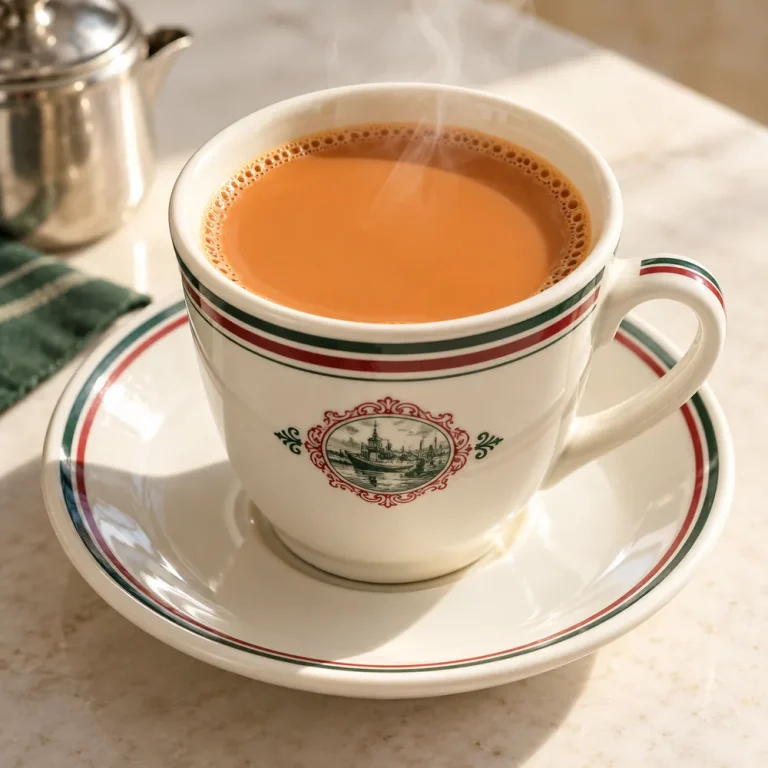
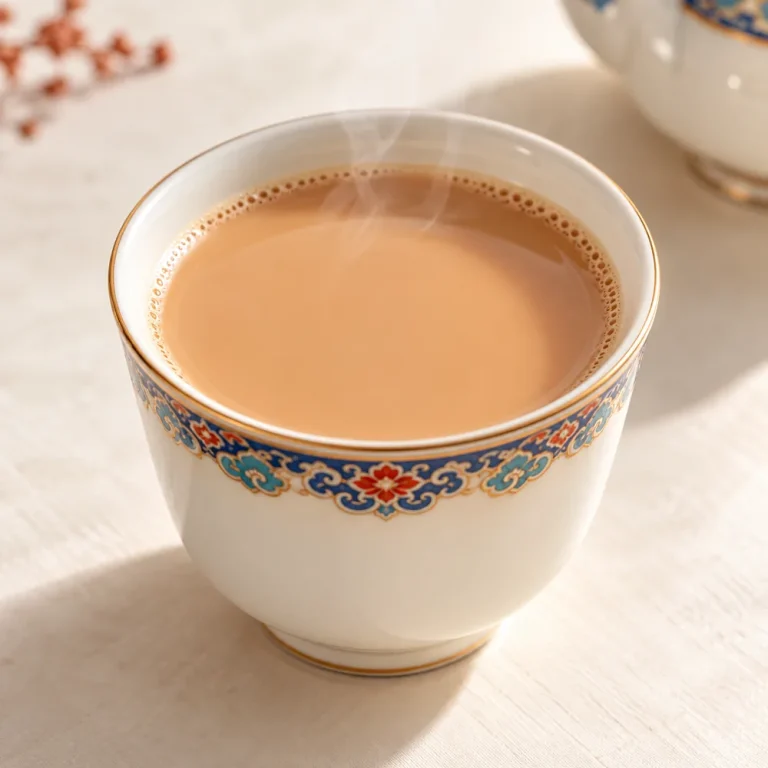
A representative urban teahouse drink of Lhasa, made from black tea simmered with Milk or Milk powder and sugar into a sweet, milky tea. It is commonly served with Tibetan noodles, meat pies and Other breakfast foods and remains central to everyday teahouse life.

Category
Tea Drinks · Sweet milk tea
Tea ingredient
Black tea
Tea form
Tea liquor

Tea in the Dish

Black tea provides aroma, color and a clear tea backbone; Milk or Milk powder adds dairy fragrance and roundness; sugar creates the drink's defining sweet style.

Tea ingredient
Black tea
Tea form
Tea liquor
Role of tea
Liquid base · Main flavor
How the tea is used
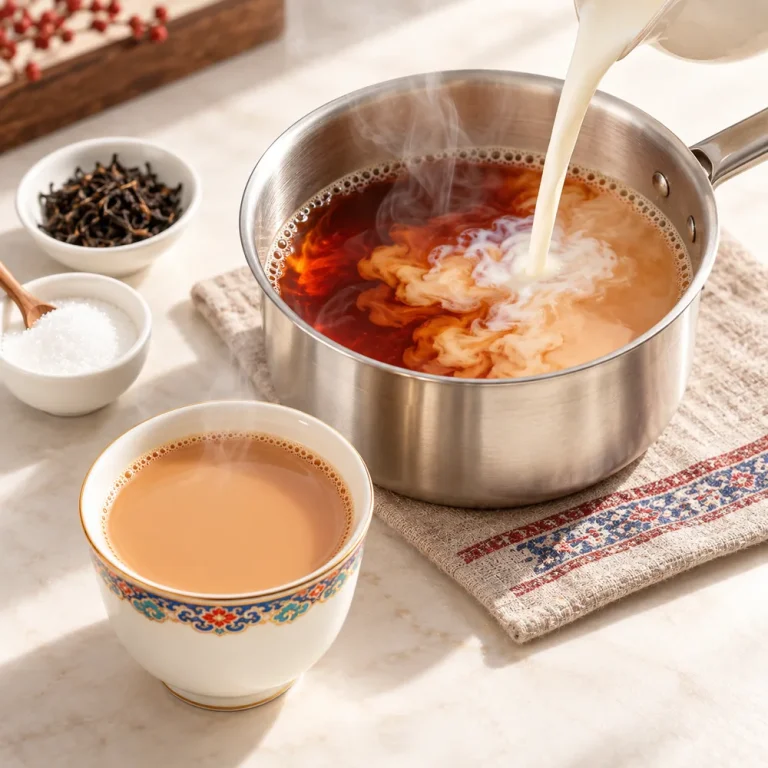
Simmer black tea with water or prepare a relatively strong black-tea liquor first, then add Milk, yak Milk or Milk powder together with sugar and continue heating until tea, dairy and sweetness are integrated.

Flavor & Texture

Black-tea aroma and dairy fragrance run together, with clear sweetness while the tea remains perceptible. The texture is warm and smooth, making it more immediately approachable for many first-time drinkers than butter tea.

Aroma
Black tea aroma · Milky aroma
Taste
Sweet and fragrant · Tea character · Milky sweetness
Texture
Smooth · Warm

Origin & Culture

Origin & Story

Lhasa Sweet Tea is a fusion tea drink that entered and became localized within Lhasa urban life during the 20th century. Reliable historical research shows that after the 1920s, some Tibetan aristocrats and merchants who had traveled to India and Sikkim adopted milked black tea and brought the habit back to Lhasa. By the 1930s, elite households were serving Darjeeling black tea and sweet-tea houses had appeared around the Jokhang area. Today, sweet tea is central to breakfast, everyday socializing and urban teahouse culture in Lhasa.
Historical Development

Research by the China Tibetology Research Center on the movement of Indian tea into Tibet from the late 19th to mid-20th century notes that after the 1920s, upper-class society in India and Sikkim was influenced by British tea drinking, and Tibetan aristocrats and merchants traveling through those regions gradually brought the habit of black tea with Milk back to Lhasa. In 1936, when Chapman visited the Lhasa merchant Tsarong's household, Darjeeling tea was served; sweet tea had by then also appeared in some elite households and in teahouses around the Jokhang area. The drink subsequently spread from a relatively limited urban novelty into everyday public tea culture. Lhasa official city-culture materials likewise describe sweet tea as becoming common later than butter tea and as an expression of the city's ability to absorb outside influences and localize them. The evidence supports this modern transmission and localization path but not one unique inventor or teahouse.

Cultural Context

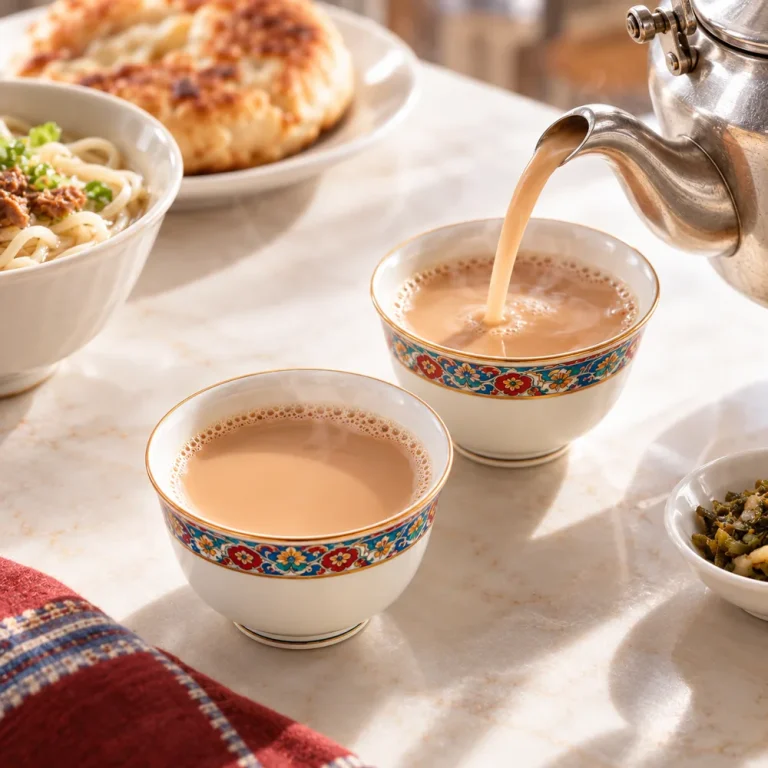
Today's sweet-tea houses are among Lhasa's most characteristic urban public spaces. Sweet tea commonly appears with Tibetan noodles, meat pies and eggs at breakfast and also runs through afternoon sitting, conversation and neighborhood social life. Lhasa market-regulation and government materials treat sweet-tea-and-noodle shops as an important “Taste of Lhasa” city calling card and have continued pushing processing standardization and restaurant-quality improvement.

Regional Customs

Lhasa Sweet Tea is built around black tea, dairy and sugar, but teahouses differ in tea concentration, use of Milk powder or fresh Milk, sweetness and simmering method. Some modern official materials mention Milk or Milk powder, while 2025 autonomous-region materials also mention sweetened Milk powder or yak Milk. These should be treated as permitted ingredient routes rather than mutually exclusive standards.

Serving Notes

Serving temperature
Hot
Serving style
Serve hot in teahouses, by cup or pot, commonly with Tibetan noodles, meat pies and Other breakfast foods.
Season
All year
Best occasions
Breakfast · Tea table · Winter hot serving
Storage
Traditional teahouses generally keep freshly prepared sweet tea warm and serve it the same day. This Generic page does not set one storage period without verification from the full current standard.
Reheating
It can be reheated and stirred before drinking, but no fixed reheating temperature or number of reheats is set without source support.
Allergens
Milk
Caffeine
Contains caffeine · Unquantified

Real black tea is used, so naturally occurring caffeine is present. Black-tea cultivar, leaf dose, simmering strength and cup size vary, so caffeine cannot be standardized per cup. Traditional and modern official versions use Milk, yak Milk or Milk powder, so Milk is a confirmed allergen.

拉萨甜茶·场景图

Method Overview

拉萨甜茶·过程图

How It Works

Lhasa Sweet Tea builds a clear black-tea backbone first, then combines it with dairy and sugar through gentle simmering so tea aroma, milkiness and sweetness merge into one drink. It differs from the salty, emulsified fat system of butter tea and from modern commercial Milk tea based mainly on syrup, creamer and rapid assembly.

Tea Conversations

Tea lovers from around the world meet over a cup of tea.

Sign in or register to join the conversation. Your comment account is created automatically the first time you use a connected account.